Le MAEP, une initiative africaine pour évaluer la gouvernance par les Africains
Discussions about governance in Africa are often linked to assessments conducted by international financial institutions, rating agencies, or non-governmental organizations. However, in the early 2000s, African leaders launched their own evaluation mechanism to examine the performance of states in areas as diverse as economic management, public institutions, democracy, and development. This initiative is known as the African Peer Review Mechanism, or APRM.
Created in 2003 as part of the New Partnership for Africa's Development (NEPAD), the APRM is based on a rather unusual idea in international relations. Participating states voluntarily agree to have their public policies, institutions, and governance practices reviewed by other African countries using a common analytical framework.
The objective is not to sanction states or impose predefined policies on them. Rather, the mechanism seeks to identify strengths, weaknesses, and reforms that could improve governance through a process based on the exchange of experiences and mutual learning.
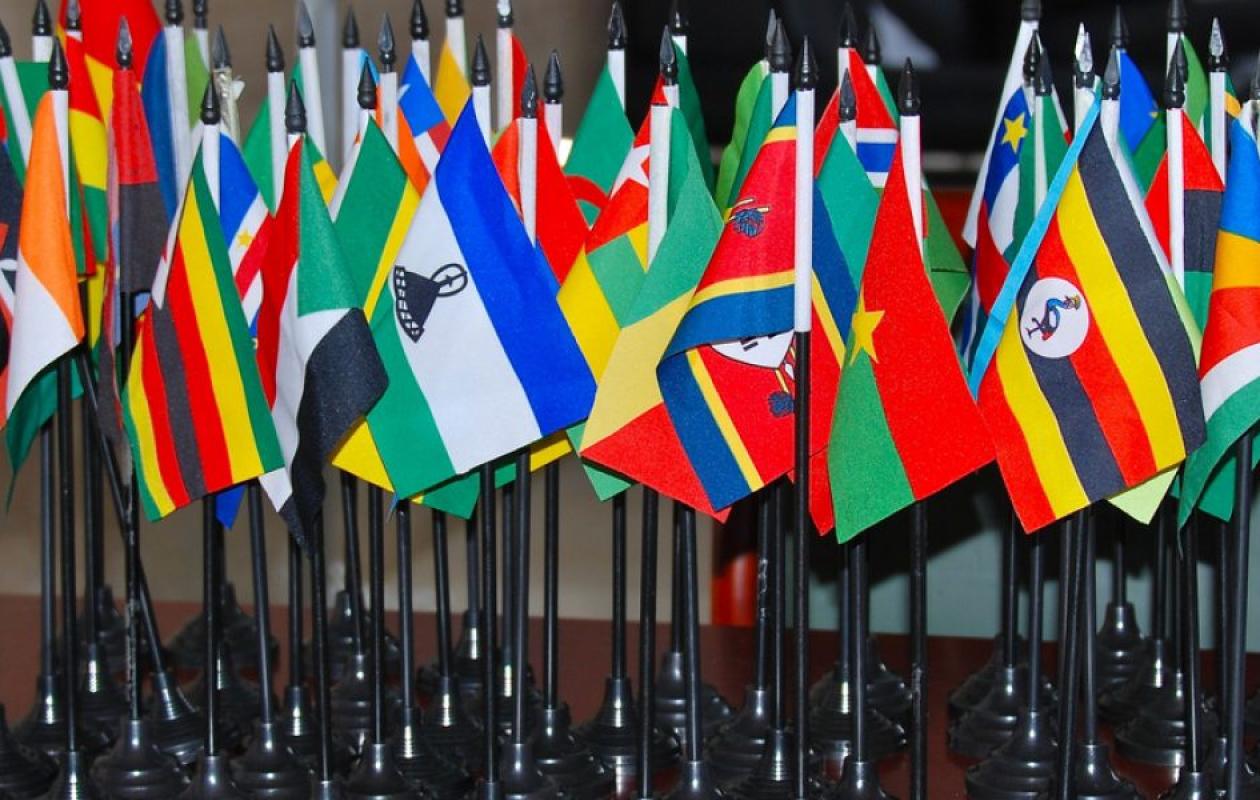
Today, more than 40 African countries have joined the APRM, making it one of the most widely adopted continental initiatives in the field of governance. Several major economies on the continent, including Senegal, Ghana, Kenya, South Africa, Nigeria, and Côte d'Ivoire, participate in this mechanism.
The scope of the assessment is particularly broad. The APRM examines four main areas: political and democratic governance, economic governance, corporate governance, and socio-economic development. This approach reflects the idea that the quality of institutions directly influences a country's economic performance.
The economic dimension plays a significant role in these assessments. The MAEP teams analyze, in particular, public finance management, the quality of budgetary policies, the fight against corruption, the business environment, tax revenue mobilization, and transparency in the management of public resources.
This approach is based on a finding widely documented by economists. According to the World Bank, the African Development Bank, and the United Nations Economic Commission for Africa, development gaps between countries are not solely explained by natural resources or investment levels. The quality of institutions also plays a major role in an economy's ability to attract capital, create jobs, and support sustainable growth.
The mechanism operates in several stages. National authorities first conduct a thorough self-assessment. This analysis is then supplemented by an independent mission composed of African experts who meet with public administrations, employers' organizations, trade unions, academics, civil society organizations, and other national stakeholders.
The findings are compiled into a detailed report, which is then presented to the APRM Forum of Heads of State and Government. This document identifies the progress made as well as the reforms deemed necessary in the various areas assessed.
Senegal was among the first countries to participate in the exercise. Its initial assessment report was presented in 2005. Since then, several follow-up reviews have been conducted to measure progress made and challenges remaining. This continuity allows for observation of the evolution of public policies over a relatively long period.
The value of the APRM becomes clearer when compared to other international mechanisms. Unlike rankings or ratings published annually, the process relies on a much more in-depth analysis of institutions and state functioning. The resulting reports often exceed several hundred pages and cover topics ranging from economic governance to social cohesion.
The mechanism has also evolved with the continent's priorities. Issues related to youth, employment, economic transformation, digital governance, and natural resource management now occupy a more prominent place in recent assessments.
This development is occurring within a context where governance challenges remain closely linked to Africa's economic outlook. According to the African Development Bank, Africa will need to create several hundred million jobs in the coming decades to absorb the influx of new workers into the labor market. The quality of public institutions, regulatory stability, and the efficiency of public administrations are among the factors that will influence this trajectory.
The APRM also has a characteristic rarely seen internationally. It is not based on an external evaluation process imposed by donors or international institutions. The mechanism was designed, financed, and managed by African states themselves, which gives it a particular political legitimacy within the continental institutional landscape.
Its recommendations are not legally binding, and their implementation depends on the willingness of the governments concerned. This limitation is sometimes highlighted by certain observers. However, over the years, the APRM has contributed to creating a space for dialogue on issues that directly affect the functioning of public institutions and the quality of economic policies.
At a time when governance is often analyzed using indicators developed outside the continent, the APRM is one of the few African initiatives that allows states to assess their performance using a collectively designed framework. Behind its reports and evaluation missions lies a broader ambition: to make the quality of institutions a driver of economic development, political stability, and continental integration.
























Commentaires (0)
Participer à la Discussion
Règles de la communauté
💡 Astuce : Utilisez des emojis depuis votre téléphone ou le module emoji ci-dessous. Cliquez sur GIF pour ajouter un GIF animé. Collez un lien X/Twitter, TikTok ou Instagram pour l'afficher automatiquement.
Se connecter
Commentez avec votre profil, votre photo, et soyez averti des réponses.