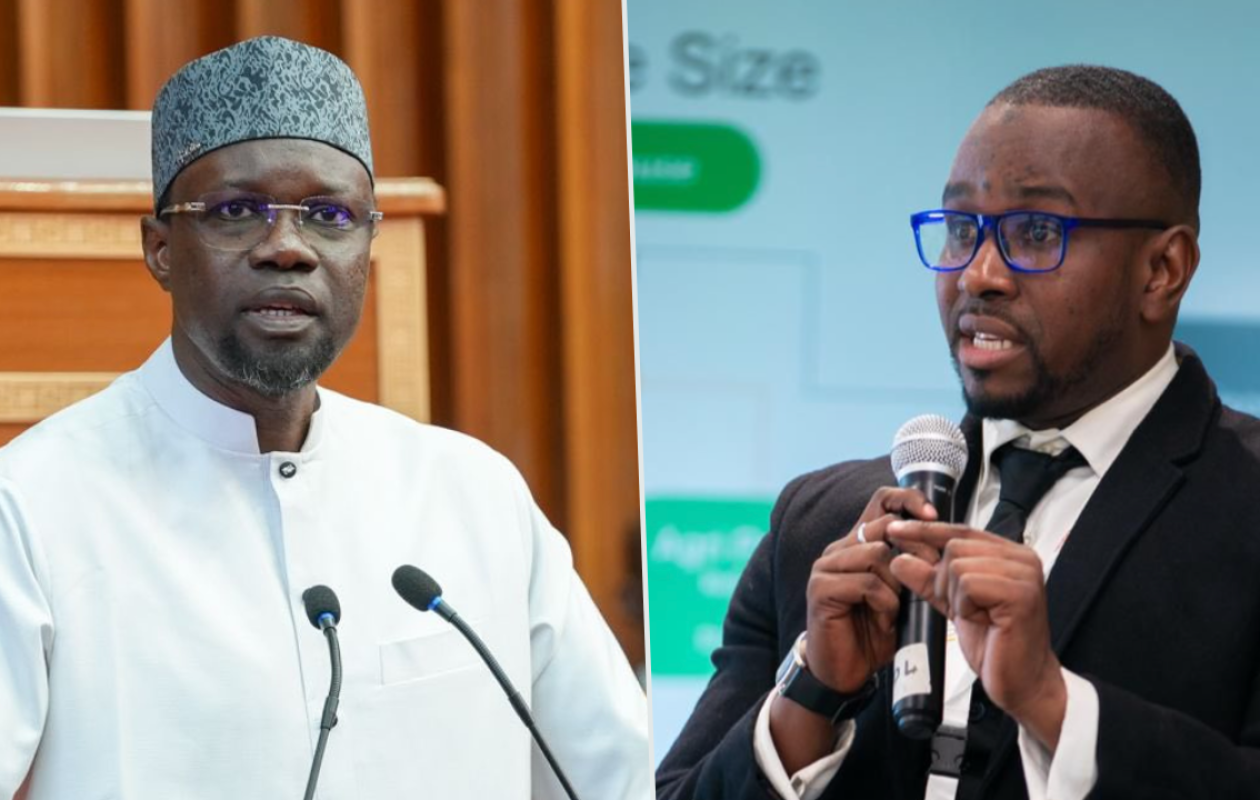
Moments forts et points faibles : Le «Grand oral» de Sonko passé au crible par Moctar Ann (Spécialiste)
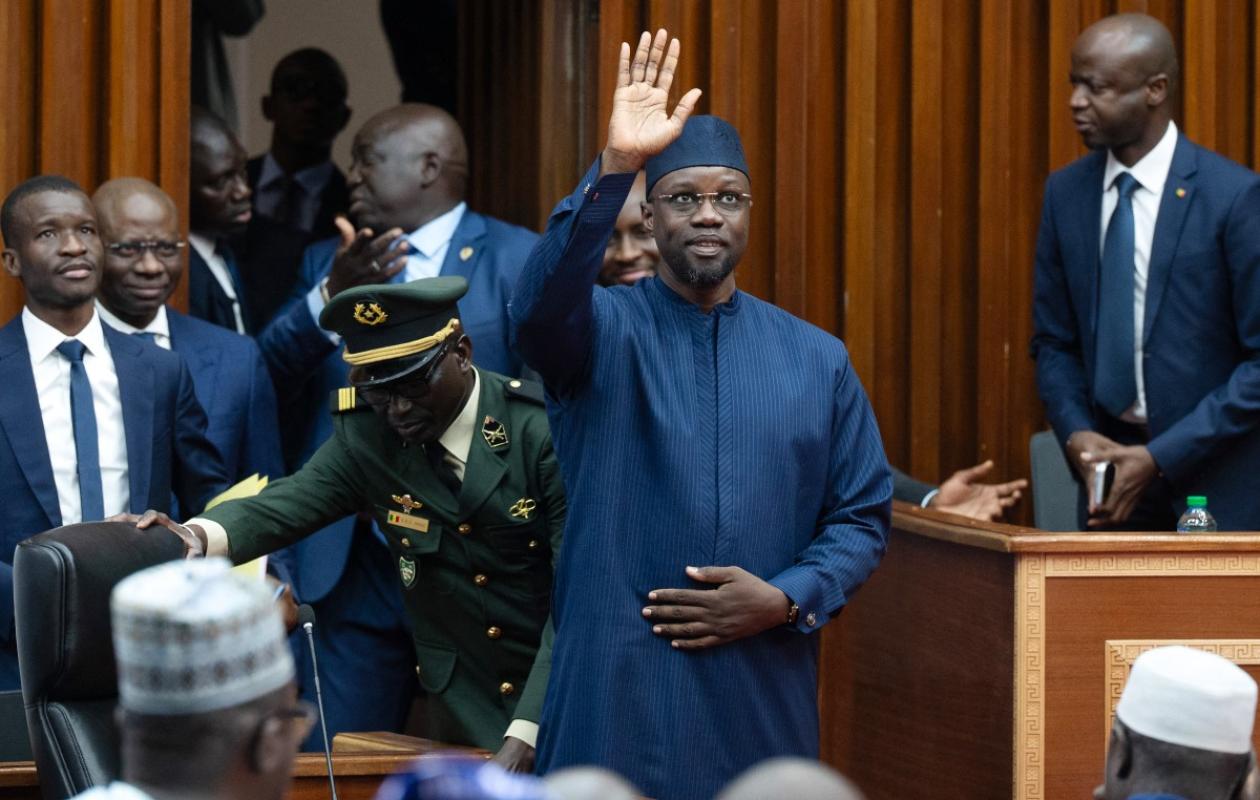
Yesterday, Tuesday, Prime Minister Ousmane Sonko was in the National Assembly. For three hours, he answered questions from members of parliament and addressed several pressing current issues. Amadou Moctar Ann, a lecturer and researcher at BEM and Dakar Sciences Po, and a researcher at the Doctoral School of Legal, Political, Economic and Management Sciences at Cheikh Anta Diop University, analyzes the Prime Minister's performance in this interview with Seneweb.
Overall, how do you judge Prime Minister Ousmane Sonko's communication: good or bad?
The question period on February 24, 2026, offered Ousmane Sonko a formal political platform: the parliamentary rostrum, where a head of government is required to answer directly and without the protection of a prepared speech. Overall, his communication was assertive and controlled on several issues. He projected the image of a leader who takes responsibility, challenges, and provides guidance. That said, a careful reading of the facts presented during this session also reveals areas of weakness, particularly where past promises have met current decisions. A government's credibility rests on its ability to articulate words and actions with consistency. However, on at least one important issue—the criminalization of homosexuality—this consistency was lacking. This observation is not a moral judgment, but rather an analysis of communication coherence, which constitutes one of the resources of power for a head of government.
It would therefore be reductive to describe it as generally good or bad: it was convincing in some areas, exposed in others.
What were the strengths of his communication?
The first major strength lies in how Sonko handled the crisis at Cheikh Anta Diop University. Where many leaders would have shied away, he chose to take responsibility for the security intervention, while firmly condemning the excesses observed on the ground, particularly the violence against unarmed students and the destruction of property. This dual stance, which distinguishes between the legitimacy of the decision and the illegitimacy of the excesses, reveals a carefully calculated communication strategy.
This approach allows him to maintain control of the narrative without assuming full operational responsibility. In administrative law, this is the classic distinction between the administration's liability and the faults committed by its agents: the former engages the State, the latter exposes the offending agent to individual liability. By linking these two registers, Sonko has outlined an implicit legal framework that offers an acceptable political solution.
This stance also reflects a desire to preserve a dual political capital: the authority of the statesman as guarantor of the security of public property and the historical relationship maintained with the student body. The UCAD crisis is not merely a university crisis. It reveals the tensions between the public order logic of an entrenched government and the expectations of a generation that brought this government to power, a generation that sought a radical break with the past.
The second key point is the handling of the Mame Mactar Guèye episode. By publicly withdrawing his close protection detail after his perceived excessive stances on publicly disseminating the names of individuals accused of homosexuality, the Prime Minister took a decisive action: para-institutional actors cannot replace the State in managing sovereign affairs. This raises a broader issue: the relationship between the sovereign and non-state actors who claim to act in its name or alongside it. It should be noted, however, that Mr. Mame Mactar Guèye has always played a watchdog role on social issues. He is simply continuing his fight, which may be viewed in various ways.
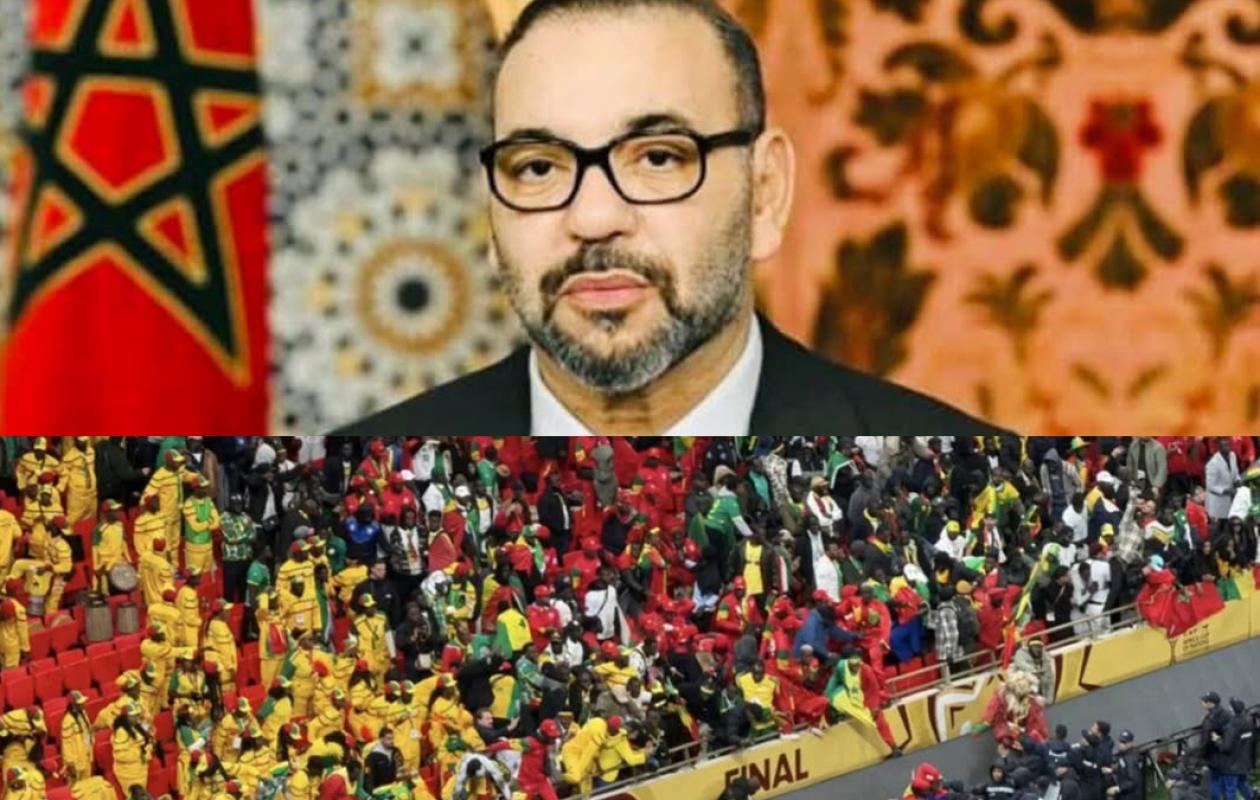
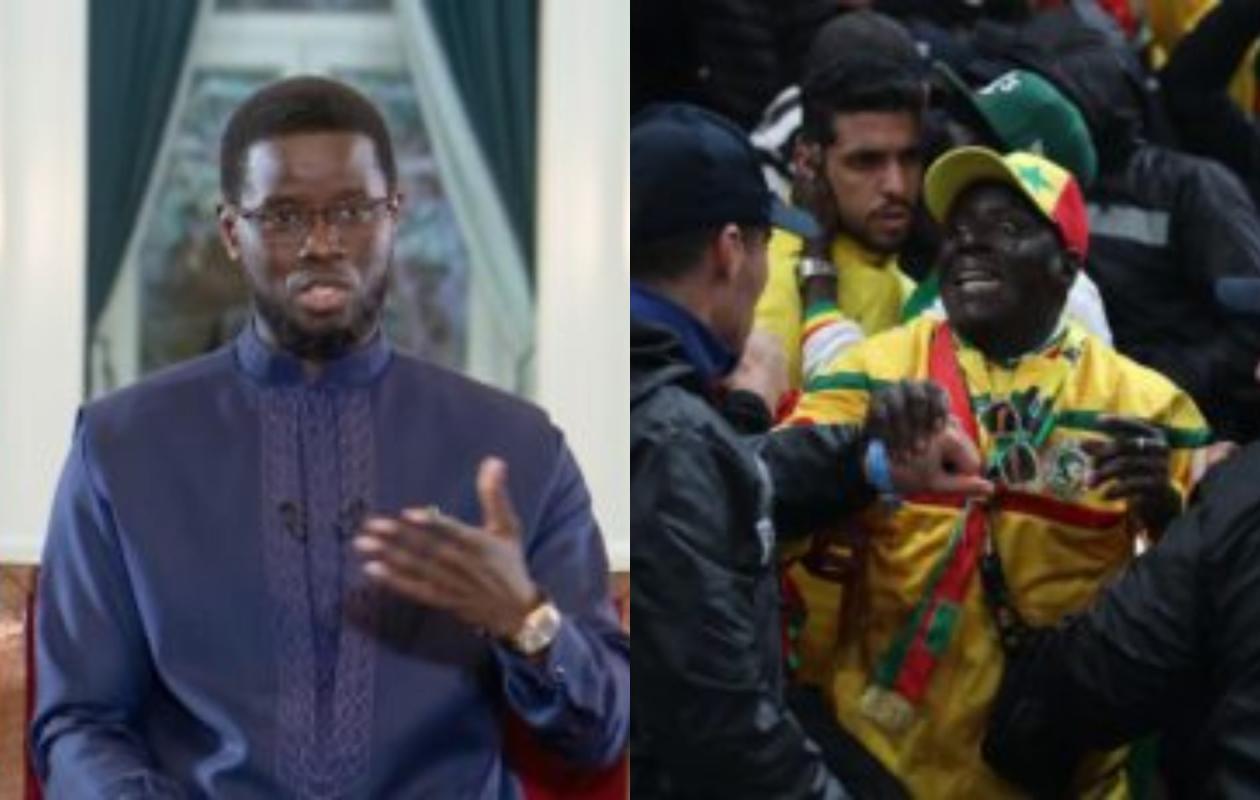
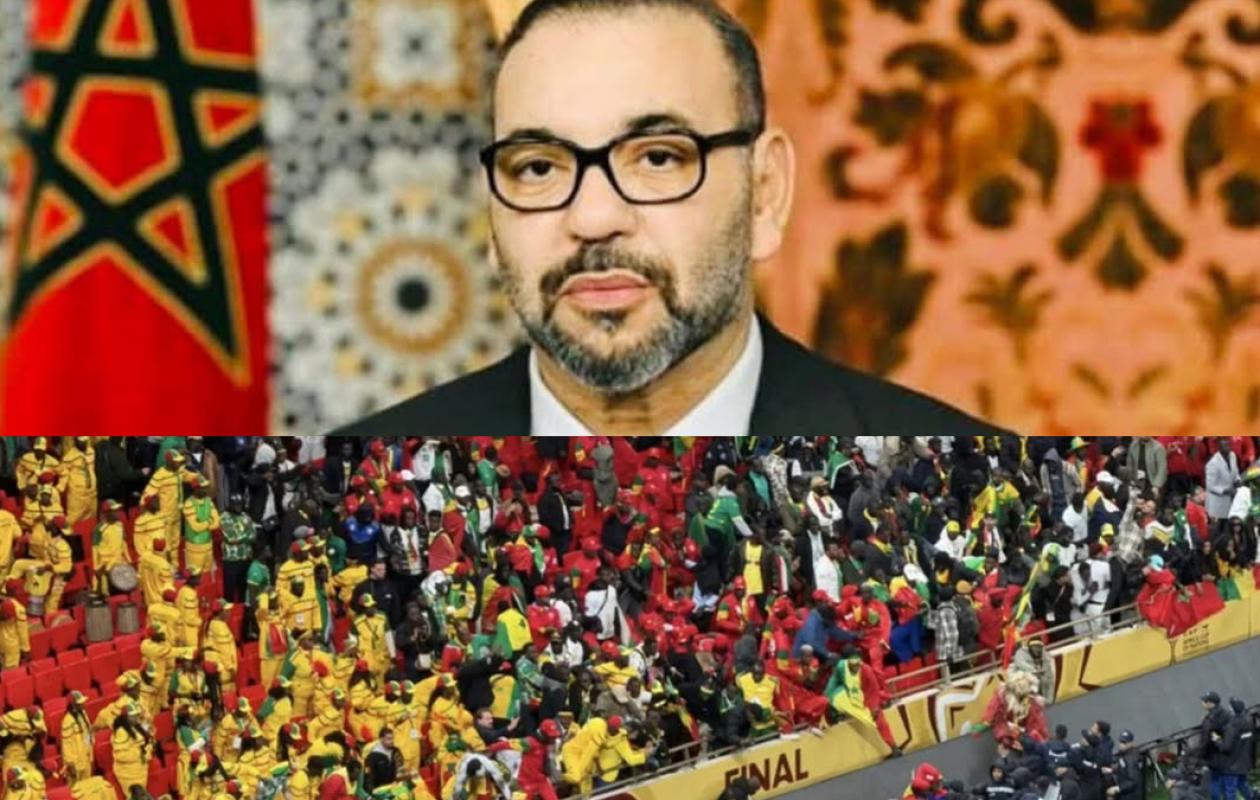
The third key point concerns the issue of Senegalese supporters detained in Morocco. The Prime Minister adopted a measured tone, in keeping with diplomatic protocol. He opted for a discourse of mutual sovereignty, reiterating that Senegal cannot compel Morocco to release its citizens. This position, consistent with the principle of non-interference as enshrined in international law, provides legal cover for what might otherwise be perceived as diplomatic impotence. By stating that all available avenues of appeal had been pursued, from the presidential level down to the Ministry of Foreign Affairs, Mr. Ousmane Sonko demonstrated that the matter had been handled in accordance with the rules of consular and diplomatic protection regarding assistance to citizens detained abroad. This position, while consistent with international practice, does not satisfy a significant portion of the Senegalese population, who believe the government is not doing enough to defend its compatriots who went to Morocco to "proudly represent" the country.
What were its weaknesses?
The most glaring weakness of this communication is the gap between campaign promises and legislative reality. MP Abdou Mbow reminded the assembly that in December 2022, Mr. Sonko had stated that criminalizing homosexuality would be one of the first laws passed after he came to power. The bill adopted on February 18, 2026, merely proposes a revision of the existing offense. The parliamentarian seized upon this discrepancy. This gap illustrates the implementation gap, that is, the distance between campaign rhetoric, produced in the context of electoral competition, and government decisions, constrained by institutional and legal realities that the opposition does not have to deal with. Although the head of government emphasized the advantages of strengthening Senegal's legal framework in the fight against LGBT practices, a large segment of the Senegalese population remains skeptical. This fuels the feeling of betrayal, which provides the opposition with arguments to undermine the government's credibility.
This position also has a geopolitical dimension. It is an external constraint, which Mr. Ousmane Sonko briefly mentioned by referring to the risk of international smear campaigns, but which was not explained with the transparency that a rigorous government discourse would have required.
The other weakness is his tendency to label his opponent rather than address their arguments. Refusing to speak directly to Abdou Mbow while declaring himself to be in dialogue with the Senegalese people in general is a rhetorical tactic that belongs to opposition communication, not government communication. The opposition can afford to bypass institutions to speak directly to the people; a Prime Minister, on the other hand, is bound by the conventions of parliamentary debate to answer questions within the institutional framework in which they are posed. This shift could reveal that Sonko has not yet fully completed the transition, in his communication style, from opposition orator to head of government.
How do you judge his discourse on the issue of homosexuality?
On homosexuality, Sonko's discourse followed two distinct lines. The first was a reaffirmation of his moral opposition to homosexuality, in line with the dominant values of Senegalese society. The second was a warning against the excesses of repression and public condemnation, particularly the disclosure of the HIV status of individuals under investigation.
On this last point, his position is legally defensible. He expressed his outrage at the publication in the press of the serological status of individuals involved in the alleged HIV transmission case, emphasizing the human consequences of these publications for innocent families, whose children suffer social stigma that prevents them from leading normal lives. This concern aligns with the principle of confidentiality of medical data, as promoted by national health authorities. The National AIDS Control Committee itself recently took a position on the need to protect the confidentiality of people living with HIV.
It is also important to note the geoeconomic dimension of this debate. International donors who fund public health programs in Senegal, particularly in the fight against HIV/AIDS, generally impose implicit conditions regarding respect for the rights of people living with HIV. A policy of public stigmatization risks jeopardizing access to funding from the Global Fund and other multilateral mechanisms, which constitutes a real economic issue that the Prime Minister did not explicitly mention.
And regarding the university crisis, how do you assess the Prime Minister's speech?
The Prime Minister's speech was more robust in its structure. He took responsibility for the decision to intervene, acknowledged shortcomings in its execution, and promised an investigation into the death of a student during the unrest. He also announced institutional reforms, including the establishment of a police station on campus and the partial relocation of certain university services. This argument is legally sound, even if it doesn't resolve the debate about the proportionality of the security response. The remaining question is: will the results of the announced investigation into the death of student Abdoulaye Ba be made public and will they lead to concrete measures? His February 24th speech will be evaluated on this basis over time.
Furthermore, the crisis at Cheikh Anta Diop University (UCAD) reveals a broader issue: the management of a young, educated population in a country where youth unemployment remains high. The university is not merely a place of learning; it is a reservoir of social tensions that, since independence, has regularly served as a sounding board for political crises. The institutional reforms announced by Mr. Ousmane Sonko, notably the establishment of a police station and the partial relocation of certain services, are security and logistical responses. They do not yet constitute a solution to the systemic crisis of university governance.
What do the Prime Minister's words on the case of the supporters detained in Morocco reveal about the relations between the two countries?
The case of the 18 Senegalese supporters sentenced in Morocco following the incidents at the Africa Cup of Nations final on January 18, 2026, is not a mere sporting incident. It is part of a regional geopolitical framework that deserves rigorous analysis. Morocco and Senegal maintain close bilateral relations, characterized by strong economic cooperation, particularly in the banking, telecommunications, and real estate sectors, as well as by a historical relationship based on Sufi religious ties that Rabat has skillfully leveraged in its strategy of influence in sub-Saharan Africa.
In this context, the treatment of Senegalese supporters by the Moroccan justice system takes on a significance that goes beyond the simple application of Moroccan criminal law. It is part of an asymmetrical power dynamic that could be described as differential soft power : Morocco, an emerging economy with growing influence in West Africa, has greater negotiating leverage than Senegal on the continental stage. This asymmetry could partly explain the calculated restraint in Mr. Ousmane Sonko's discourse.
It should be noted that this case placed Sonko in a delicate position: how to defend his citizens without offending a "friendly" state with which Senegal maintains cooperative relations? His speech responded to this constraint with a strategy of apparent balance.
On the one hand, he defended the government's actions, asserting that all necessary steps had been taken, from the President of the Republic down to the Minister of African Integration and Foreign Affairs. On the other hand, he betrayed a discreet but discernible dissatisfaction, noting that similar incidents involving Moroccan supporters abroad had not resulted in comparable prison sentences. This comparison, made with restraint, constitutes a veiled criticism directed at Rabat.
His assessment of the situation highlights a bilateral relationship that remains formally courteous, but in which Senegal expresses a disappointment that diplomatic protocol requires it to carefully conceal. Furthermore, the Prime Minister mentioned avenues of appeal that are still available, indicating that the matter is not considered definitively closed.
Have relations become icy since the final episode?
The facts available to date do not allow us to conclude that there has been a diplomatic rupture in the sense of public international law. No ambassadors have been recalled, no bilateral treaties suspended, and no persona non grata declared. Formal indicators of an open diplomatic crisis are absent.
That said, we can speak of structural tension to characterize the current state of Senegalese-Moroccan relations. Structural tension refers to a state of persistent friction between two states that share common interests, but whose agendas diverge periodically in a way that is sufficiently visible to affect the public perception of the relationship. The supporters' affair is precisely of this nature: it is not serious enough to trigger an open crisis, but it is too visible to be ignored.
This episode must be placed within a broader geopolitical context. For several years, Morocco has been pursuing an active influence strategy in sub-Saharan Africa, symbolized by its return to the African Union in 2017 after a thirty-three-year absence. This strategy relies in part on cultivating an image of a benevolent and fraternal power towards its neighboring African countries. The legal proceedings against the Senegalese supporters create friction with this image, which perhaps explains why the case has not yet been resolved quickly. The supporters' release could have been interpreted as a capitulation under diplomatic pressure, something Rabat clearly wishes to avoid.
For Dakar, the geo-economic stakes are also very real. Moroccan investments in Senegal represent a significant portion of the Senegalese financial sector. A deterioration in bilateral relations could affect these investment flows, which constitutes an additional deterrent for a government seeking to attract capital in a context of fiscal consolidation.
The events of the Africa Cup of Nations final exposed a fragile point in the Senegalese-Moroccan relationship that neither Dakar nor Rabat had any interest in revealing. The way this matter is resolved (through an appeal, a transfer of sentences, or early release) will truly demonstrate the strength of this relationship and the place Senegal occupies in the hierarchy of diplomatic priorities for the Kingdom of Morocco.
Ultimately, relations between the two countries are not icy in the diplomatic sense of the term, but they are going through a period of "underlying tension".
Interview by Youssouf SANE








Commentaires (2)
Participer à la Discussion
Règles de la communauté :
💡 Astuce : Utilisez des emojis depuis votre téléphone ou le module emoji ci-dessous. Cliquez sur GIF pour ajouter un GIF animé. Collez un lien X/Twitter, TikTok ou Instagram pour l'afficher automatiquement.