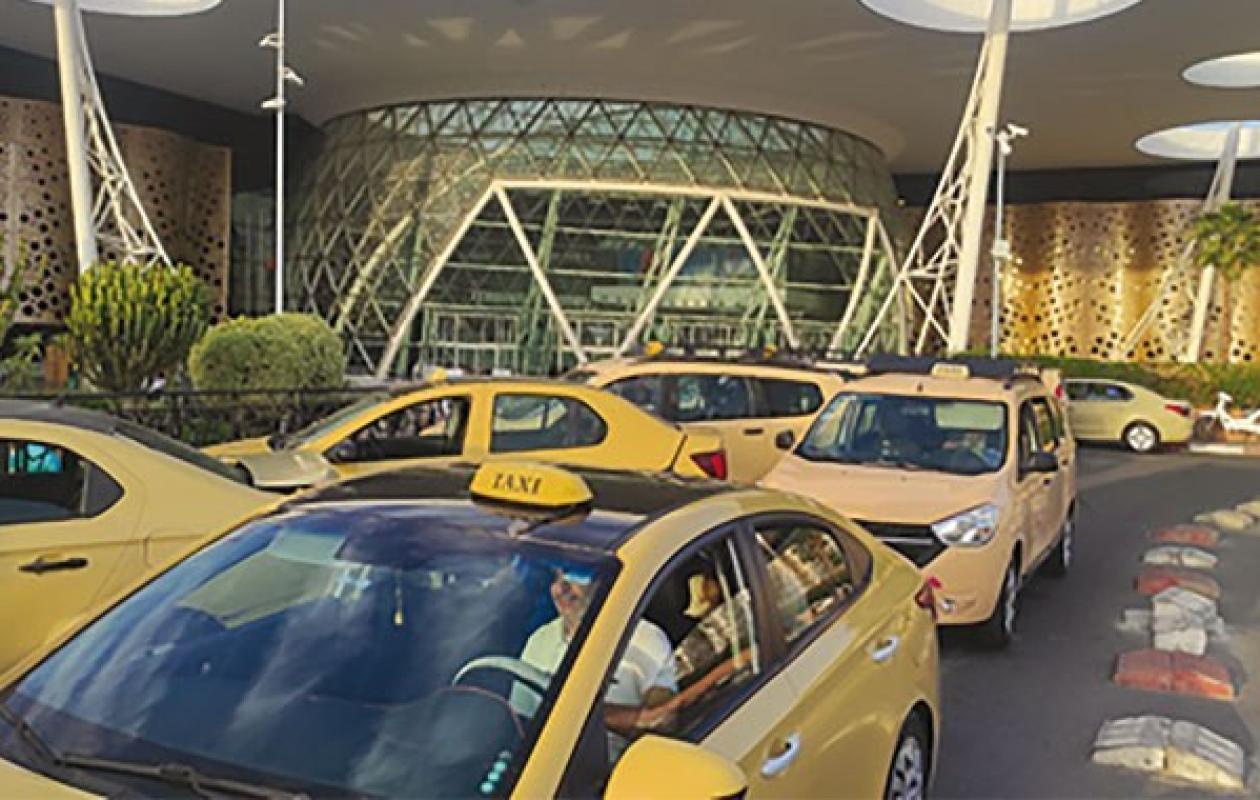
Arnaques en taxi : une étude mondiale place le Maroc et l’Egypte dans le top 10 des destinations à risque
In many countries visited by millions of tourists each year, simply getting into a taxi can quickly become a source of stress. An international study reveals that fraudulent practices in this sector remain frequent and are sometimes highly organized. By analyzing thousands of traveler feedback, researchers have created a global map of destinations where the risk of scams is highest, and Morocco and Egypt feature particularly worryingly.
Taking a taxi after a long flight should be a breeze. Yet, in many tourist destinations, this step becomes one of the most dreaded parts of the trip. An analysis of thousands of accounts posted on Reddit reveals the extent of taxi fraud, with Morocco and Egypt among the top ten countries affected by this problem.
A global ranking that gives pause for thought
The study, conducted by the safety platform AllClear, relied on over 30,000 comments from traveler communities. Its objective: to identify the locations where visitors report the most taxi-related scams. Unsurprisingly, Turkey dominates the ranking, with more than twice as many reports as India, which comes in second. Thailand, Vietnam, and Egypt follow, making up a top five largely concentrated in countries where heavy traffic and mass tourism create fertile ground for abuse.
Beyond these popular destinations, Morocco appears in 8th place, with over 1,300 comments mentioning fraudulent practices. This position places it just behind Mexico and ahead of the United States, demonstrating that the phenomenon is not limited to a single type of market or level of development. Notably, France also appears on the list, in 11th position.
The most common scams: a well-rehearsed scenario
The majority of complaints are concentrated in airport areas, where tired and hurried travelers become easy targets. The methods used are often similar, regardless of the country. Among the most widespread techniques is the approach of unofficial touts. These individuals, sometimes very convincing, offer rides at "good prices" before demanding a much higher amount upon arrival. The situation can become complicated when travelers are unfamiliar with local fares or lack the means to dispute the charges.
Meter fraud, often involving a "broken" meter, remains a common problem. Under the pretext of a malfunction, some drivers impose a significantly inflated flat rate, sometimes two or three times higher than the legal price. In other cases, the meter is indeed working… but tampered with to speed up the display of the fare.
How to protect yourself? Expert advice
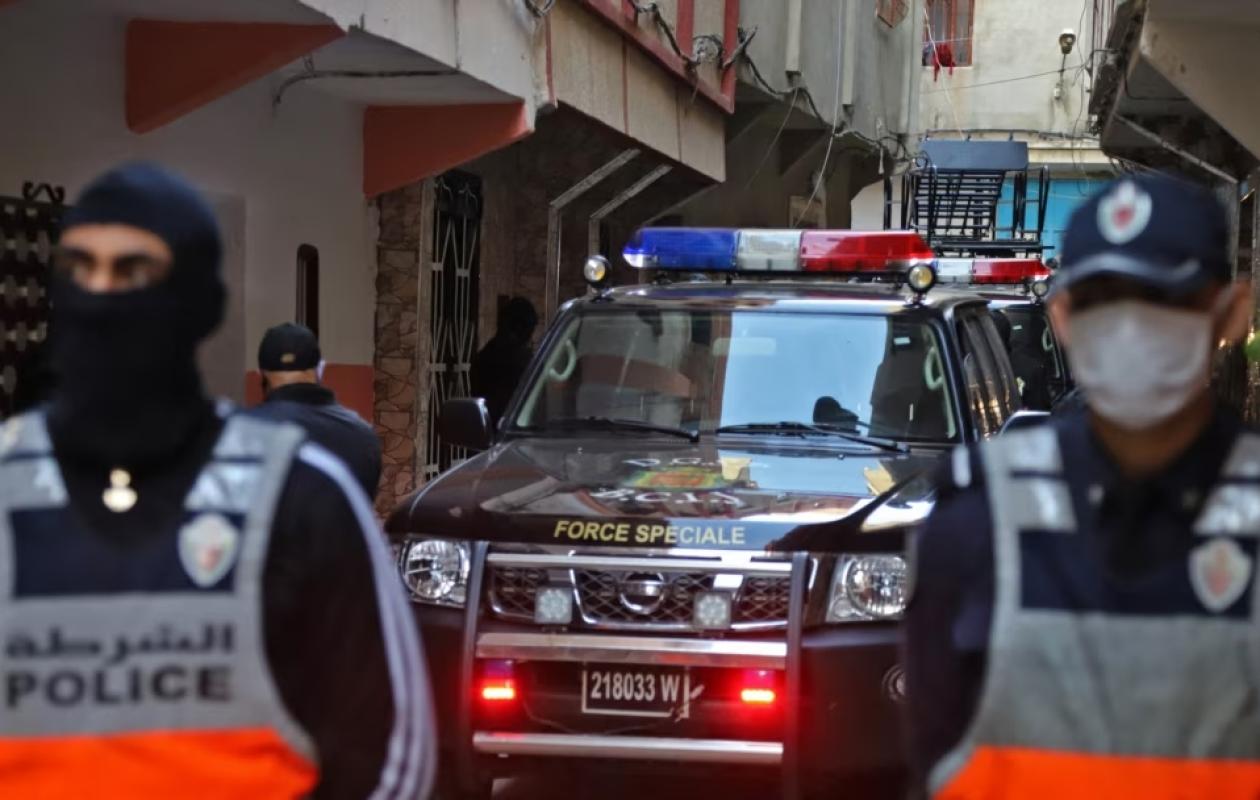
To minimize risks, travel experts recommend avoiding solicitations in arrival halls and using official taxi ranks. Once in the taxi, it's essential to check that the meter is running from the start. If the driver refuses, it's best to get out immediately. In Morocco, these practices are not going unanswered. The Ministry of the Interior states that it is actively working to modernize and regulate the sector.
Minister Abdelouafi Laftit reiterated that provincial authorities have the legal means to enforce strict standards: quality of service, adherence to fares, professional conduct, and licensing requirements. Between January 2023 and February 2024, no fewer than 317 taxi licenses were temporarily revoked from drivers in violation of regulations. Some suspensions can last up to six months. In addition, 15 other licenses were revoked pending court decisions.
The ministry also states its intention to harmonize practices nationwide by regularly issuing circulars to local authorities. Efforts focus on both oversight and modernization of the service: upgrading taxis, improving customer relations, and even integrating digital solutions to facilitate bookings and connecting drivers via apps.





![[EXCLUSIF] 40e suspect arrêté : Un étudiant enfonce Pape Cheikh Diallo et Ibrahima Magib Seck par des aveux explosifs](https://image.seneweb.com/content/news/2026-10-08//thumb_1260x800_69ada679e1f31_2tvWa6CTOR.jpeg)











Commentaires (17)
tres facile.. kouniou nakh ya togne sa bop
je descends à la réception, demmande qu'on me commande un taxi en leur donnant l'adresse de ma destination, quelques minutes apres, le taxi arrive,
je m'installe tranquillement, après plus d'une demie heure de trajet, le chauffeur se gare quelque part à coté du fleuve Nil, et me dit on y est
je lui dit non, c'est pas ici, je connais nos bureaux, j'y été hier et c'est pas ici, je lui redonne l'adresse, je l'affiche aussi sur ma localisation et lui demande de la suivre
au début, je pensais qu'il s'était trompé, ensuite je me suis rendu compte qu'il l'avait fait expres
il me dit, je vais chercher, mais ça va augmenter le prix de la course, il se met à tourner dans le caire, ignorant la localisation que j'avais sur mon téléphone, passant devant des endroits où il était déjà passé
pendant ce temps, j'essayais de joindre mes collègues sans y parvenir
j'ai pensé à descendre, prendre un autre taxi, sauf que la veille, on m'avait prévenu d'éviter de prendre un taxi directement dans la rue
j'ai poussé un grand ouff de soulagement, lorsque j'ai enfin réussi à joindre un collègue, qui a parlé au chauffeur et lui a dit qu'il gardait la ligne jusqu'à ce que j'arrive
pres de 2h de temps comme ça
Faut-il attendre les résultats d’une étude pour le savoir.
Sans généraliser L’anarchie, l’arnaque, le non respect du code de la route, l’insalubrité des véhicules, le comportement irresponsable et parfois dangereux des conducteurs sont quelques caractéristiques liées à la fonction des taxis dans notre pays.
Pourtant on parle de chauffeurs professionnels titulaires de permis de confiance en sus.
Loin de la
Les taxis au Maroc tout simplement portent atteinte à la réputation du tourisme que se veut ce beau pays.
A l’horizon 2030 et à travers toutes les manifestations que connaîtra le Maroc et tout l’argent dépensé pour faire briller l’image du pays, je crois qu’il est nécessaire de revoir toute la partie humaine du système de transport en taxi et autres moyens de transport à travers la formation et l’encadrement tout en durcissant les sanctions pour être à la hauteur des événements programmés.
Le transport par application est également une bonne alternative si le domaine est bien organisé et la concurrence est loyale.
J'ai jamais vu des taximen aussi truands et malhonnêtes.
wayé thiow li sou naré bari rek niou dem police
Participer à la Discussion
Règles de la communauté :
💡 Astuce : Utilisez des emojis depuis votre téléphone ou le module emoji ci-dessous. Cliquez sur GIF pour ajouter un GIF animé. Collez un lien X/Twitter, TikTok ou Instagram pour l'afficher automatiquement.