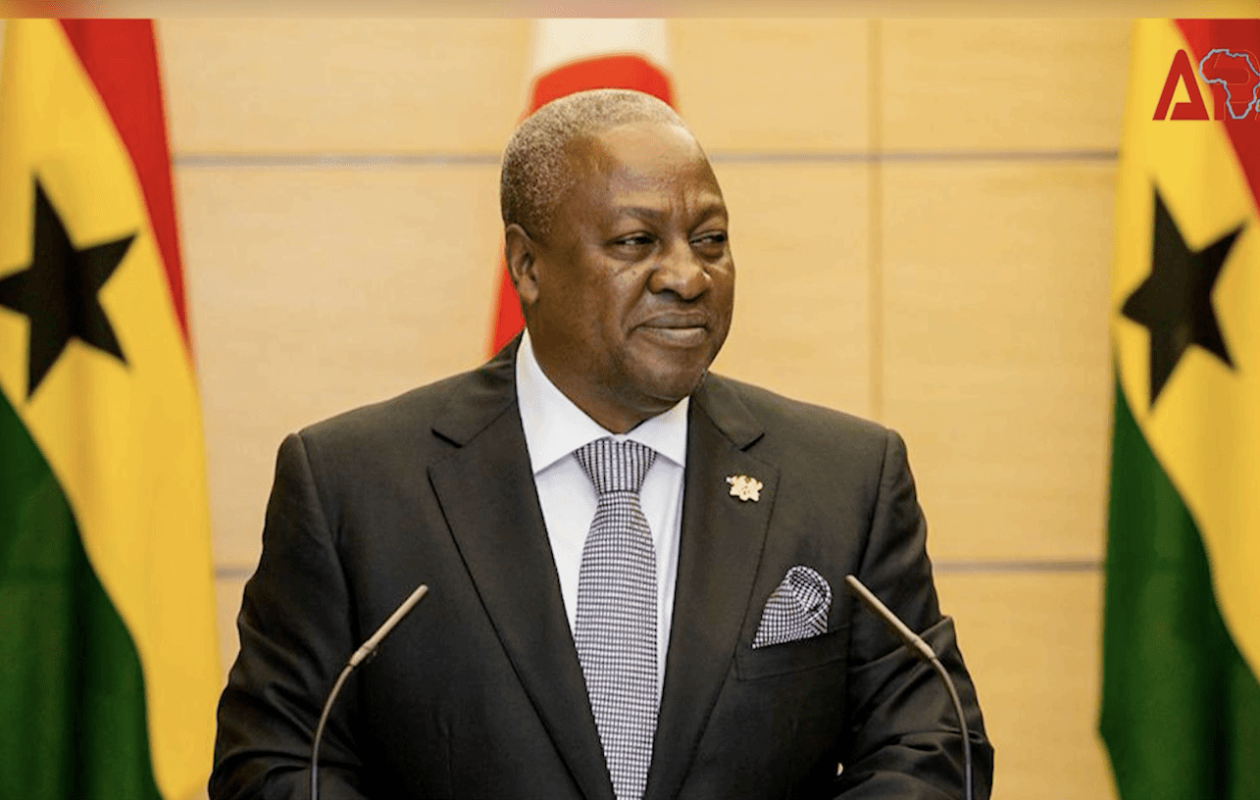
Le Ghana pousse pour les "prochaines étapes" des réparations de l'esclavage
Ghana hosted its first global conference in Accra, its capital, on Thursday, aimed at translating a UN resolution into concrete commitments to redress historical injustices related to slavery.
In March, the United Nations adopted a landmark resolution recognizing that the transatlantic slave trade constituted "the most serious crime against humanity".
Since the adoption of this resolution, discussions and the campaign for restorative justice regarding the slave trade have taken "unprecedented momentum," Ghanaian Foreign Minister Samuel Okudzeto Ablakwa said Thursday morning from Accra.
Although not legally binding, this resolution, adopted by 123 UN member states, calls on nations involved in the slave trade to commit to restorative justice.
"We won the battle against slavery, we won the battle against colonialism, we won the battle against apartheid, and we are confident that we will win the battle against injustice in terms of reparations," said Mr. Ablakwa at the opening session of the conference called "Next Steps."
Since the adoption of the resolution, French President Emmanuel Macron has approved the symbolic repeal of the royal decrees that governed slavery in the French colonies.
France was the third most involved country in the slave trade, after England and Portugal.
Last month, Pope Leo XIV apologized for the centuries-long delay by the Catholic Church in condemning slavery, calling it "a wound in Christian memory."
"The growing international support for these discussions demonstrates that restorative justice is no longer a marginal issue," said Ghana's foreign minister at the opening of the conference.
Ghana was once considered the hub of transatlantic slavery, but it is now "transitioning from a crime scene to a sanctuary of healing and restorative justice," the minister said.
In recent years, more than 1,000 members of the diaspora have obtained Ghanaian citizenship, most of them African Americans attracted by a mix of historical, cultural, and personal motivations.
The list of speakers at this three-day event includes leaders from Barbados, Sierra Leone and Senegal, as well as Namibia and Liberia, not to mention Nobel laureate in literature and Nigerian human rights activist Wole Soyinka.
AFP









Commentaires (8)
Participer à la Discussion
Règles de la communauté :
💡 Astuce : Utilisez des emojis depuis votre téléphone ou le module emoji ci-dessous. Cliquez sur GIF pour ajouter un GIF animé. Collez un lien X/Twitter, TikTok ou Instagram pour l'afficher automatiquement.