En Ouganda, l'Internet coupé en amont de la présidentielle et des législatives du 15 janvier
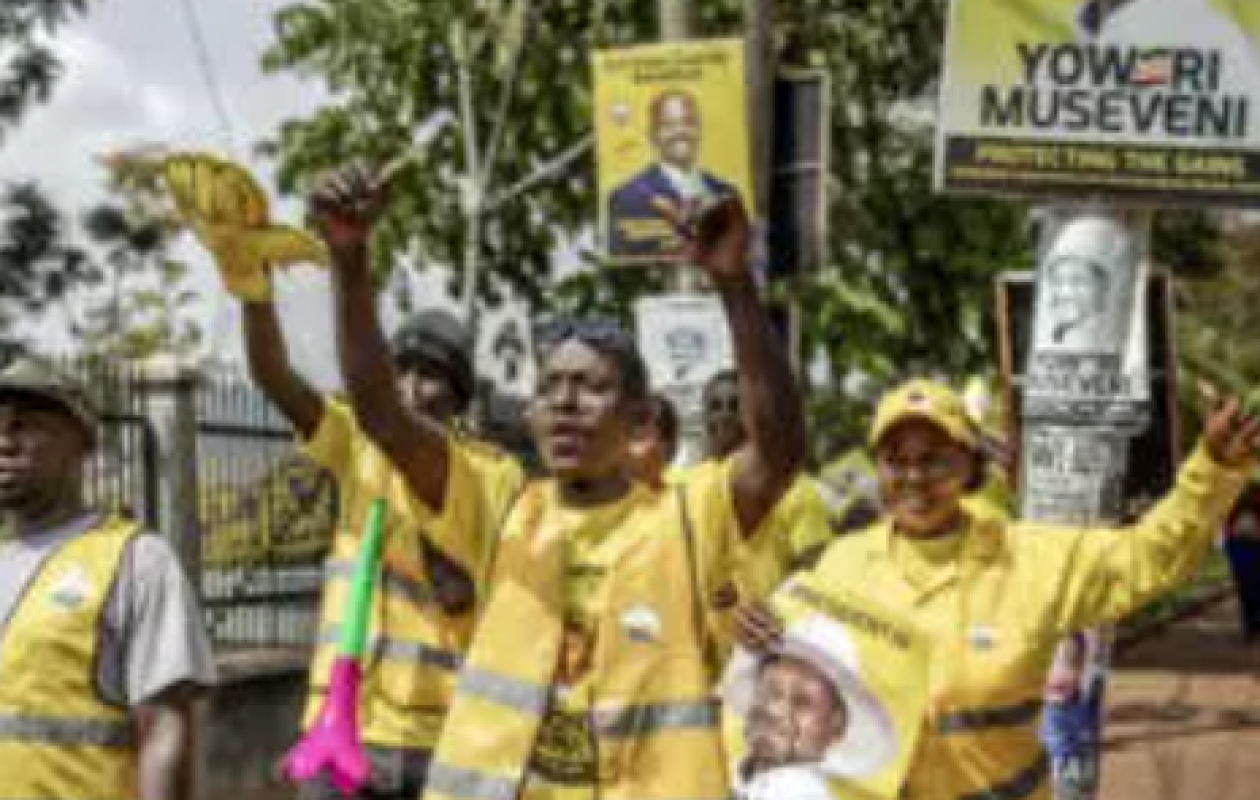
The final day of campaigning before the presidential and parliamentary elections in Uganda on Thursday, January 15, was marked by a nationwide internet blackout. Yoweri Museveni, the incumbent president who has been in power for 40 years, is seeking his seventh consecutive term. His main opponent is Bobi Wine.
No internet, no WhatsApp, no social networks like X (formerly Twitter): since 6 p.m. local time on Tuesday, January 13, Ugandans have had no access to the web. Earlier in the day, the Ugandan Communications Commission—the government agency responsible for regulating the telecommunications sector—announced that it had asked internet service providers to suspend service. The commission explained that it had taken this decision until further notice in order to "mitigate the rapid spread of disinformation online, electoral fraud, and to prevent incitement to violence."
The Commission also banned the sale of new SIM cards and requested the suspension of roaming service on foreign subscriptions, even though the executive had repeatedly stated that the network would not be blocked during the election.
The fear of a total blackout
This internet shutdown occurred a few hours after President Yoweri Museveni's latest rally, held on the afternoon of Thursday, January 13, in Kampala, the capital. Many foreign journalists were unable to attend: despite possessing official accreditation, they were turned away.
Faced with concerns about a possible total blackout, numerous voices, particularly among human rights organizations, have already been raised. Uganda is therefore cut off from the world until further notice, as it was during the 2021 presidential election when the network was blocked for more than five days.
This decision was expected in a tense context. Since the beginning of the week, the authorities have suspended several recognized press freedom and civil rights organizations, denouncing their involvement "in activities harmful to security and Ugandan law."
As the election approaches, a significant deployment of security forces has been observed in the capital, Kampala, as well as in other major cities across the country. The army claims this is a response to "threats of violence," while the opposition sees it as an attempt at intimidation.
A power cut despite the UN's call for a peaceful election.
Last week, the UN High Commissioner for Human Rights called on the authorities to allow all Ugandans to participate fully and safely in the elections. Nompulo Simanje of the International Press Institute (IPI), who fights for freedom of expression, finds this decision worrying.
“With this decision, Uganda joins the list of authoritarian countries that use information censorship to prevent the rest of the world from following what is happening in the country. This allows the authorities to shield themselves from outside scrutiny and avoid accountability. It is a regrettable decision, but unfortunately predictable in a context like Uganda’s, where numerous human rights violations were recorded even before the election.”
For Nompulo Simanje, "this means that people, including journalists and human rights activists, will not be able to communicate and share their information on the voting process on the ground, even though it is a major political event for Ugandans. My journalists will not be able to cover the election freely and safely, and independent organizations will not be able to be informed about how the election is being conducted and whether it is truly free and fair."
“Cutting off the internet undermines the credibility of the elections themselves,” he continued. “That’s why we are very concerned, but also because it limits the ability of journalists and human rights defenders to report any violations that might occur during this blackout.”
Our RFI journalist sent to the country to cover the elections was turned back from the country, despite her official accreditation.












Commentaires (1)
Participer à la Discussion
Règles de la communauté :
💡 Astuce : Utilisez des emojis depuis votre téléphone ou le module emoji ci-dessous. Cliquez sur GIF pour ajouter un GIF animé. Collez un lien X/Twitter, TikTok ou Instagram pour l'afficher automatiquement.