Kenya : un jeu de société dédié aux ramasseurs de déchets plastiques
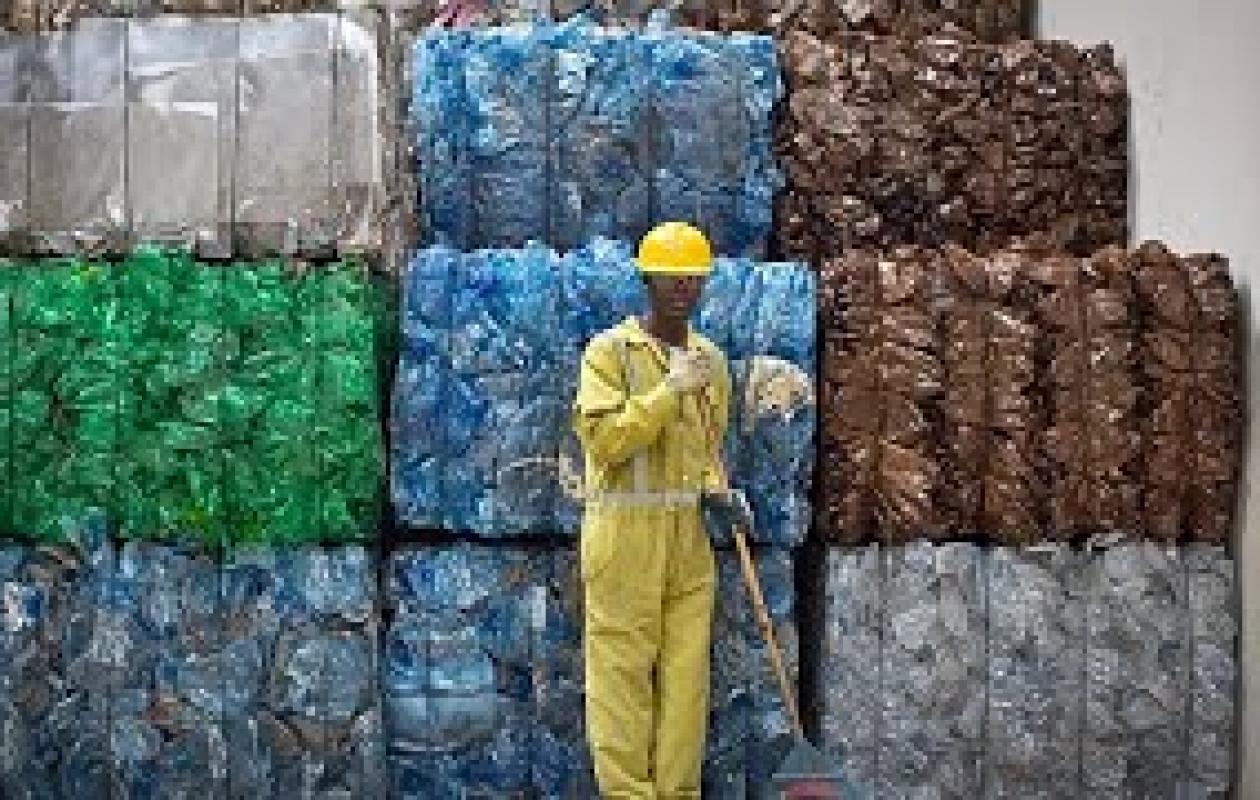
Waste pickers often work in the shadows, without training or real recognition. To survive, they salvage anything of value from vast landfills. Yet their role is essential: by sorting and collecting these materials, they prevent enormous quantities of waste from ending up buried.
The Circularity Gap Report 2025 highlights the scale of this challenge: of the more than 100 billion tons of materials used worldwide each year, less than 10% are reintegrated into a circular economy. In this context, waste collectors play a key role by recovering a significant portion of recyclable materials.
To strengthen their skills, the organization Mazingira Yetu developed an innovative board game. Its goal is to train these workers in the principles of the circular economy, as well as raise their awareness of sustainable livelihoods and their rights. The game is based on a simple mechanic: participants, divided into teams, roll dice to move around a board. Each space triggers a discussion based on question cards. The topics covered are varied: waste reduction, recycling techniques, access to health insurance, the need for protective equipment, and the importance of collective bargaining. Players debate, check their answers using a booklet, and accumulate points, all while acquiring useful knowledge to improve their income.
As Sam Ndindi, director of Mazingira Yetu, explains, concepts like the circular economy—reduce, recycle, restore—remain difficult to grasp without appropriate tools. Games make them concrete and accessible. According to experts, learning through play is a particularly effective method, especially for workers in the informal sector. It facilitates understanding of sorting, reuse, and the distinction between organic and recyclable waste.
2.3 billion tonnes of solid waste
Hellen Dena, head of the pan-African plastics project at Greenpeace Africa, confirms this educational value. She emphasizes that board games can teach both children and adults the basics of circularity and sustainable practices. These tools allow for the exploration of concepts such as types of waste, their recyclability, and their biodegradability, while encouraging the application of fundamental principles: reduce, reuse, refill, and recycle.
For the Nairobi waste pickers participating in this program, this game goes far beyond mere entertainment. It represents a concrete opportunity to access a more stable circular economy, one that could improve their income and reduce the environmental impact of their work. The organizers hope this will transform their status from invisible workers to genuine stakeholders in urban resource management.
Globally, the situation is urgent: humanity produces approximately 2.3 billion tons of municipal solid waste each year, a figure that could reach 3.8 billion tons by 2050 if current trends continue, according to the United Nations Environment Programme (UNEP). In Kenya, daily production amounts to around 22,000 tons, with nearly 2,400 tons generated in Nairobi alone, according to the National Environment Management Authority (NEMA).
























Commentaires (0)
Participer à la Discussion
Règles de la communauté :
💡 Astuce : Utilisez des emojis depuis votre téléphone ou le module emoji ci-dessous. Cliquez sur GIF pour ajouter un GIF animé. Collez un lien X/Twitter, TikTok ou Instagram pour l'afficher automatiquement.