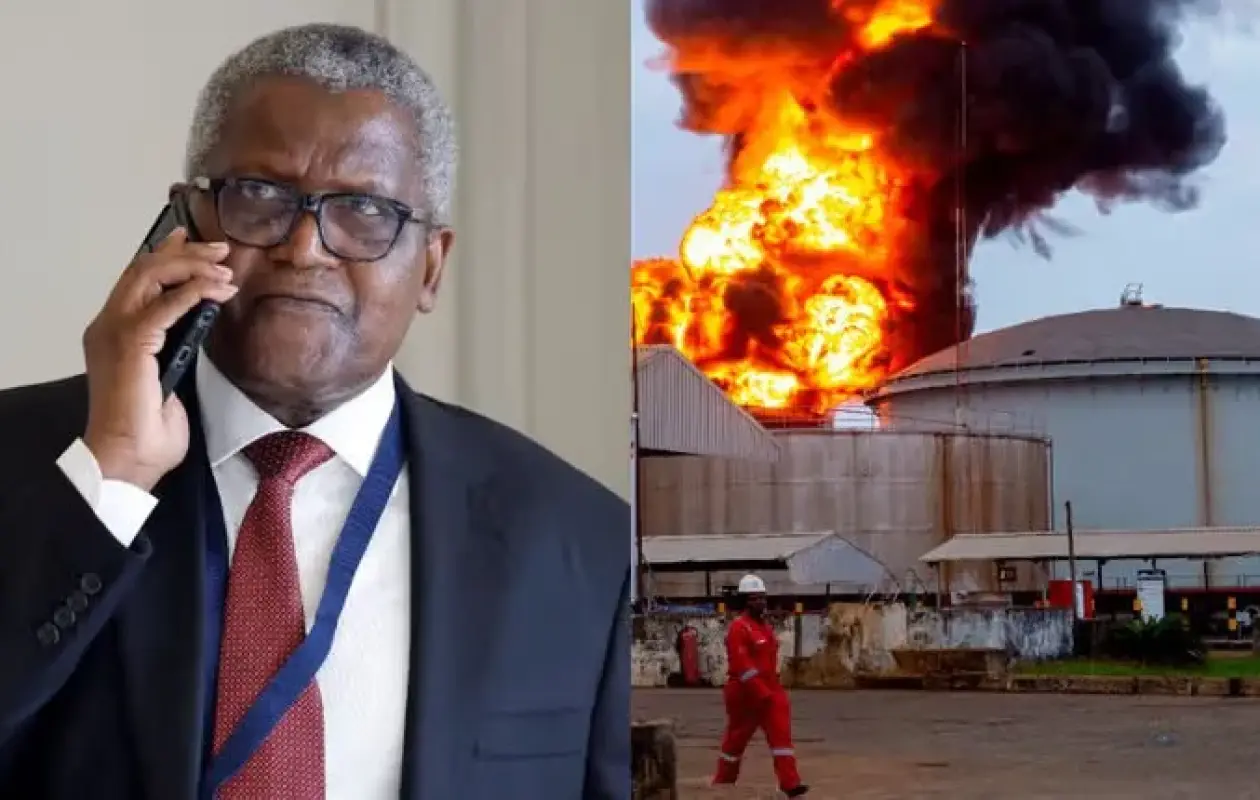
La raffinerie Dangote devient le plus grand exportateur mondial de carburant d’aviation
When the conflict in the Middle East disrupted one of the world's most important energy corridors, few expected that a refinery on Nigeria's Atlantic coast would become one of the main beneficiaries.
Yet that is precisely what happened in April 2026, when the Dangote oil refinery became the world's leading exporter of aviation fuel, according to data cited by S&P Global Commodities at Sea.
This important milestone underlines the growing influence of Africa's largest refinery on global fuel markets and highlights how geopolitical upheavals are reshaping long-established trade routes in the energy sector.
In a recent S&P Global Energy report, Dangote Refinery CEO David Bird said the company had switched its operations into what he described as a "maximum production mode" after the conflict involving Iran, Israel and the United States disrupted fuel flows across the Middle East.
"After the start of the war in the Middle East, Dangote switched into 'maximum aviation fuel production' mode and, in April, became the world's leading exporter of aviation fuel," the report said, citing data from S&P Global Commodities at Sea.
This performance comes as the refinery, with a capacity of 650,000 barrels per day, has reached full production capacity after a phase of gradual ramp-up. The facility has maintained near-maximum production thanks to a flexible blending system that incorporates feedstocks such as naphtha from gas-to-liquids conversion and Bonny condensate to optimize fuel production.
The rise of this refinery coincided with growing uncertainty surrounding the Strait of Hormuz, a strategic waterway through which approximately one-fifth of the world's oil and fuel supplies pass. Threats to shipping in the region have strained fuel supply chains and forced kerosene buyers to seek alternative suppliers outside the Middle East.
This change created an opportunity for the Dangote refinery, which rapidly increased its aviation fuel exports as global demand for non-Middle Eastern supply sources grew.
But executives say the refinery's ambitions go far beyond simply profiting from temporary market disruptions.
The refinery can currently process around 40 different grades of crude oil and plans to increase this number over time. According to Bird, the long-term goal is to achieve the flexibility of major international refining centers, such as the Pulau Bukom refinery in Singapore, which processes more than 100 types of crude oil.
To realize this vision, Dangote Refinery is exploring long-term supply and take-off agreements with governments, airlines, and national oil companies. The company is also investing in regional infrastructure projects, including storage facilities in Namibia, logistics investments in Central and East Africa, and discussions regarding a pipeline in Zambia.












![[Édition Spéciale] Tout Sur la Composition du Nouveau Gouvernement](https://image.seneweb.com/content/news/2026-23-01//thumb_1260x800_6a1ddca812d4e_URisx1rdt4.jpg)










Commentaires (1)
Participer à la Discussion
Règles de la communauté :
💡 Astuce : Utilisez des emojis depuis votre téléphone ou le module emoji ci-dessous. Cliquez sur GIF pour ajouter un GIF animé. Collez un lien X/Twitter, TikTok ou Instagram pour l'afficher automatiquement.