Le Zimbabwe lance un nouveau médicament injectable pour prévenir le VIH
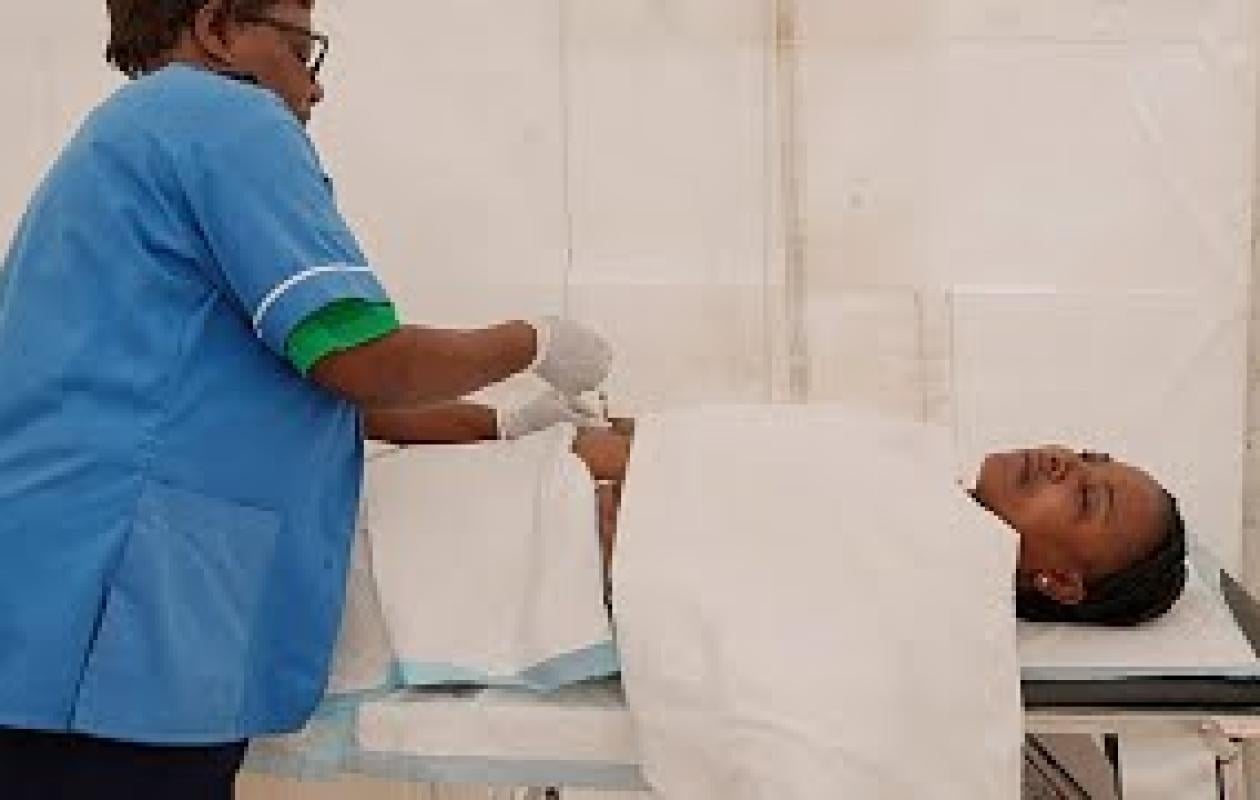
In Harare, Zimbabwe, young women, mothers with infants and some men waited to receive Lenacapavir, an injectable HIV prevention drug launched on Thursday.
Zimbabwe, which has been heavily affected by HIV over the past twenty years, is one of the first countries to introduce this preventative treatment in order to curb new infections.
Lenacapavir, developed by the California-based company Gilead Sciences, offers high protection against HIV and is administered as a long-acting injection every six months. This method of administration could overcome the adherence difficulties encountered with daily oral PrEP, often compromised by irregular schedules or stigma.
The first phase targets some 46,000 people across 24 sites, including sex workers, adolescent girls and young women, gay men, and pregnant and breastfeeding women. Injections are provided free of charge to the populations most at risk of HIV infection.
Constance Mukoloka, a sex worker, testifies: “I am safe, I can now work with complete confidence. When we were taking pills, clients would see the bottle and leave; they never came back out of fear. Now, for the next six months, I am protected.”
She adds: "Sometimes I get drunk or work all night and forget to take my pills, but with this injectable medication, even if I get drunk, I know I'm protected."
According to Dr. Ernest Chikwati, program director at the AIDS Healthcare Foundation, the six-monthly injection improves adherence: “When someone takes medication every day, they tend to forget. But when an injection is given every six months, it is very unlikely that the person will forget their treatment. Lenacapavir therefore complements all pre-exposure prophylaxis methods.”
He insists, however: “Let’s not say this is a miracle solution for HIV prevention. There are other methods. Condoms remain essential, and we distribute two brands free of charge in the public sector. Their funding must be maintained. Why condoms? Because they are very affordable.”
Lenacapavir has also been introduced in Zambia and Eswatini, countries historically affected by HIV but which have achieved several WHO targets for testing, treatment, and viral suppression. Nevertheless, new infections remain a concern, particularly among adolescent girls and young women, who are three times more affected than their male counterparts in sub-Saharan Africa.
In Zimbabwe, the distribution of Lenacapavir will depend on the availability of doses, the performance of health infrastructure, and funding, all within a context of limited resources. The government plans to gradually expand access to the drug, while in Kenya, the cost is estimated at around $54 per person per year, a high amount for the majority of the population.












![[Édition Spéciale] Tout Sur la Composition du Nouveau Gouvernement](https://image.seneweb.com/content/news/2026-23-01//thumb_1260x800_6a1ddca812d4e_URisx1rdt4.jpg)










Commentaires (0)
Participer à la Discussion
Règles de la communauté :
💡 Astuce : Utilisez des emojis depuis votre téléphone ou le module emoji ci-dessous. Cliquez sur GIF pour ajouter un GIF animé. Collez un lien X/Twitter, TikTok ou Instagram pour l'afficher automatiquement.