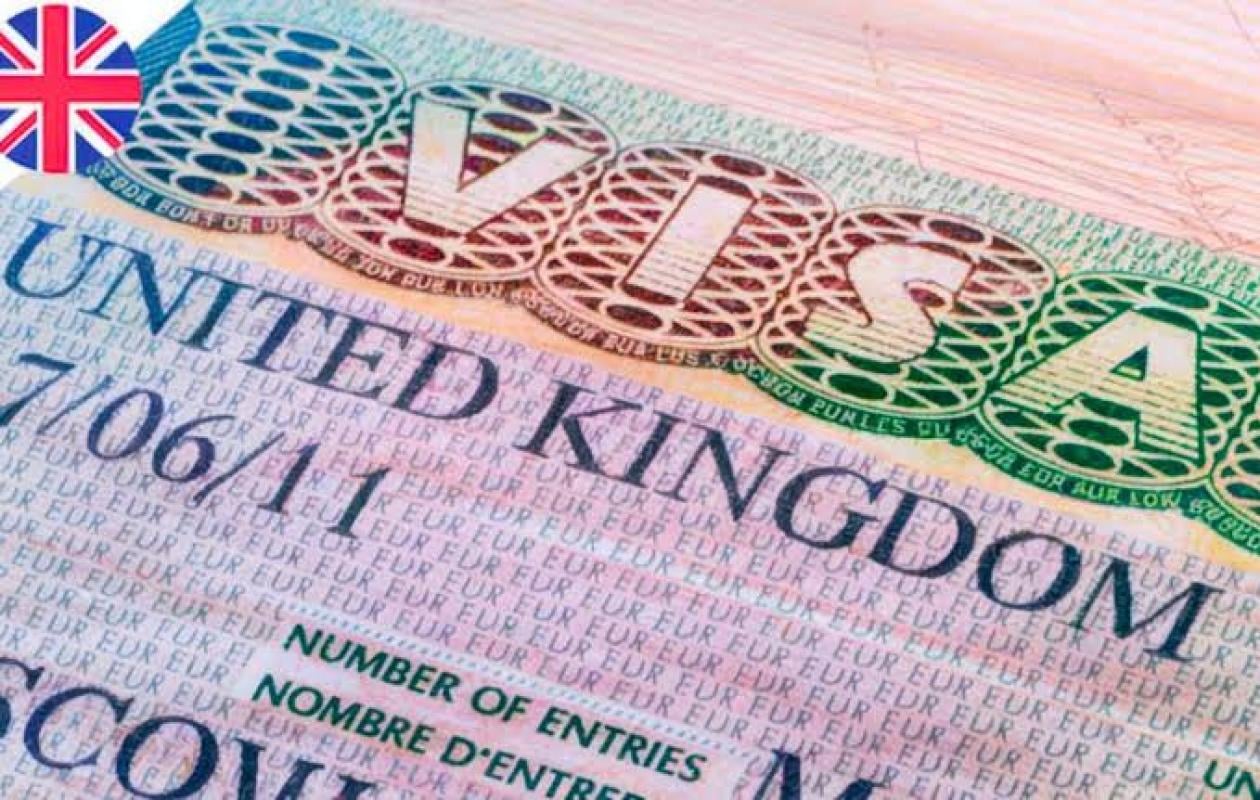
Plusieurs Africains feront face à des frais de visa britanniques plus élevés à partir de 2026
From April 2026, Africans and citizens of other nations wishing to live, work or study in the UK will have to pay higher visa fees, following government announcements that have sparked debate over the financial impact on migrants.
Thousands of Africans planning to visit, study or work in the UK will face higher upfront costs just to submit their applications, adding pressure on families, students and professionals at a time when demand for travel and migration remains high.
According to the British Home Office, the increase in visa fees is intended to "reflect the cost of processing applications and ensure the sustainability of the immigration system," but these increases are expected to particularly penalize applicants from areas with weaker currencies.
Analysts warn that these increases could disproportionately affect African nationals, who make up a significant portion of British overseas migrants.
Students, workers, and regular visitors affected
The latest increases in visa fees in the United Kingdom directly affect Africans, whether for visits, work or studies.
Short-term visitor visas, valid for up to six months, have increased from £127 to £135, while long-term visas, valid for several years, now cost between £31 and £69 more, making family travel and tourism significantly more expensive.
African professionals applying face even bigger increases: skilled worker visas now cost between £819 and £1,618 depending on their duration, while visas for entrepreneurs and start-ups have increased from £30 to £83.
Africans, who make up a significant portion of migrants in the UK, will be disproportionately affected due to weak local currencies.
Students are also affected: standard student and child visas increase from £524 to £558, and short-term English language visas from £214 to £228.
Overall, most fees have increased by about 6 to 7 percent, which represents additional upfront costs for Africans even before school fees, living expenses, and mandatory health surcharges.
African migrants represent a growing share of arrivals in the United Kingdom.
These changes are particularly important given that African nationals make up a significant proportion of overseas migrants to the UK.
Nigerian, Ghanaian, Kenyan, and South African students account for tens of thousands of enrollments at British universities each year. Skilled African professionals make a vital contribution to the UK labor market, particularly in the healthcare, technology, and engineering sectors, which rely heavily on skilled worker and business development visas.
The increased fees, combined with other costs, could deter applicants, delay their move or force them to reconsider their career or study plans in the UK.
For students, this increase makes British education, already expensive, less accessible. Entrepreneurs and professionals face greater barriers to entry into the job market, while short-term visitors—whether families, friends, or business travelers—may reconsider their trips, impacting cultural, educational, and economic ties between the UK and African countries.
Even modest increases of 30 to 100 pounds per application can be significant for applicants from areas with weaker currencies, highlighting how policy changes impact migration decisions.
























Commentaires (0)
Participer à la Discussion
Règles de la communauté :
💡 Astuce : Utilisez des emojis depuis votre téléphone ou le module emoji ci-dessous. Cliquez sur GIF pour ajouter un GIF animé. Collez un lien X/Twitter, TikTok ou Instagram pour l'afficher automatiquement.