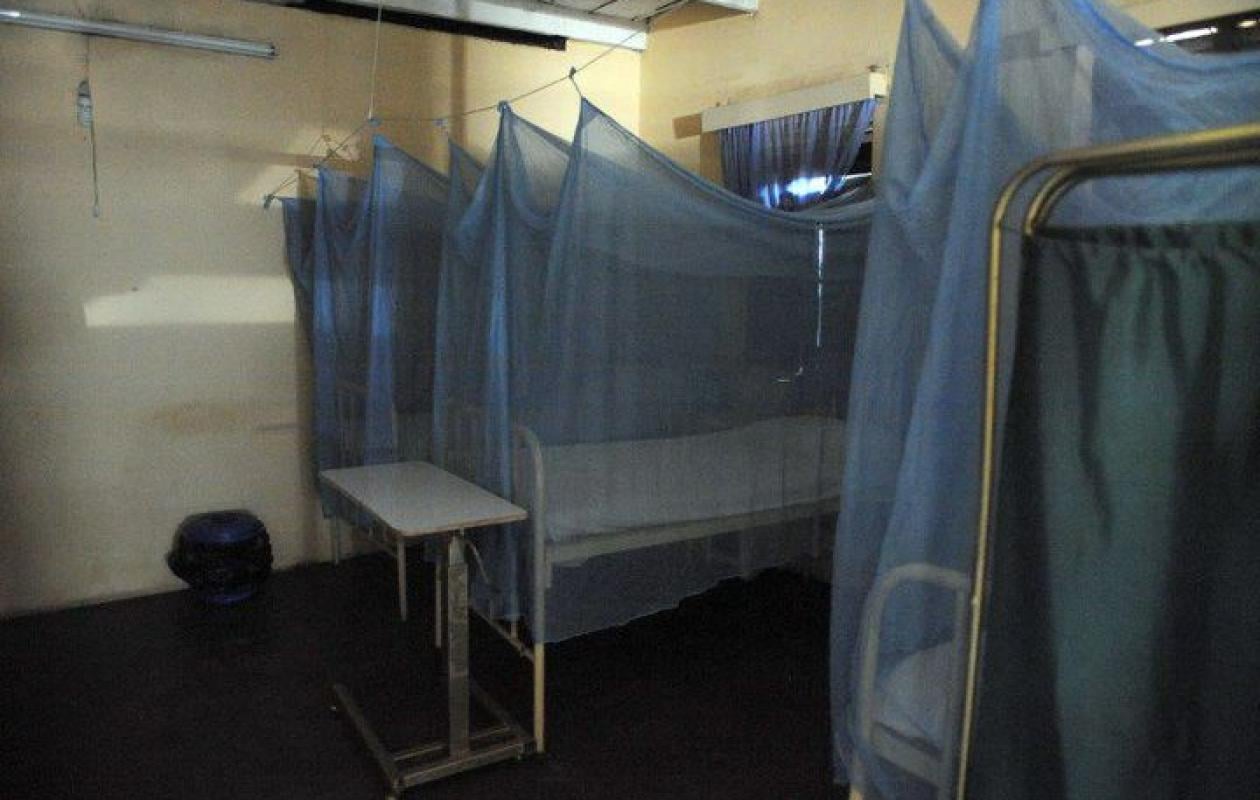
Nigeria : 14 ans de prison pour le couple qui gérait une usine à bébés depuis 2014
Eleven years of trial, 14 years in prison: justice has finally spoken
It took eleven years. Eleven years of procedures, postponements, difficult testimonies, and a slow-moving judicial system. But on February 26, 2026, the Nigerian federal court delivered its verdict: Ogundeji Happiness Ayodele and Prince Ogundeji Abiodun, a couple who ran a "baby factory" in Ondo State, were sentenced to 14 years in prison without the possibility of parole.
What Okitipupa's "reception center" was hiding
It looked like a proper shelter. A house registered as a shelter at 10 Sarajo Street, in the Okitipupa commune, Ondo State, in southwestern Nigeria. In reality, it was a place of confinement for pregnant underage girls.
The scheme was simple and horrifying: the young girls were held against their will until they gave birth. The babies were then sold to buyers. NAPTIP (National Agency for the Prohibition of Trafficking in Persons), the federal anti-trafficking agency, estimates that this trade had been going on since at least 2014, when the couple was arrested following a report from Immigration Services.
What the investigators found
During the raid by the police and NAPTIP, the officers seized:
Prenatal monitoring cards belonging to the victims. Eight vehicles. Four million naira in cash, hidden in the trunk of a car. Two bungalows. A poultry farm. And most importantly, young girls and infants on the premises.
The couple were charged with ten counts under the 2003 Trafficking in Persons Act. The trial began shortly after their arrest in 2014, but the hearings dragged on for more than a decade due to adjournments, changes of judges, and interim appeals.
The verdict: 14 years and forfeiture of property
Judge F.A. Olubanjo of the Federal Court in Akure delivered a final verdict: fourteen years in prison for each of the two defendants, with no alternative fine. The court also ordered the confiscation of eight vehicles, two bungalows, and 4 million naira recovered during the search, all of which was transferred to the federal government through NAPTIP. Three victims who testified each received one million naira in compensation.
Ms. Comfort Agboko, commander of the Lagos area of NAPTIP, described the verdict as a "historic victory" in the fight against human trafficking in Nigeria. "Eleven years of work. But justice has been served," she said.
The scourge of baby factories in West Africa
The term "baby factory" refers to networks where pregnant women or girls are recruited, sometimes under false pretenses of aid or employment, to give birth in controlled conditions, their babies then being sold. In Nigeria, several similar operations have been dismantled in recent years, particularly in the states of Imo, Anambra, and Lagos.
Babies are sold for prices ranging from a few tens to several hundred thousand naira, depending on their sex and health. They end up in adoptive families without legal procedures, in ritual networks, or are used in other forms of exploitation.
The problem extends beyond Nigeria's borders. Cases have been reported in Ghana, Ivory Coast, Cameroon, and the DRC. NAPTIP is collaborating with Interpol and European agencies to trace the networks that cross borders. But authorities acknowledge that for every network dismantled, several others operate in the shadows.
Eleven years for a conviction: the challenge of Nigerian justice
This verdict is a victory, but it also highlights an uncomfortable reality: eleven years to obtain a conviction is far too long. During this time, victims have grown older, some have given up testifying, and perpetrators have taken advantage of the slowness of the system to try to escape justice.
NAPTIP and human rights organizations in Nigeria have been calling for years for judicial reform to expedite the handling of human trafficking cases. This verdict should serve as a political signal to accelerate these reforms. Eleven years is too long. The victims deserve better.























Commentaires (1)
Participer à la Discussion
Règles de la communauté :
💡 Astuce : Utilisez des emojis depuis votre téléphone ou le module emoji ci-dessous. Cliquez sur GIF pour ajouter un GIF animé. Collez un lien X/Twitter, TikTok ou Instagram pour l'afficher automatiquement.