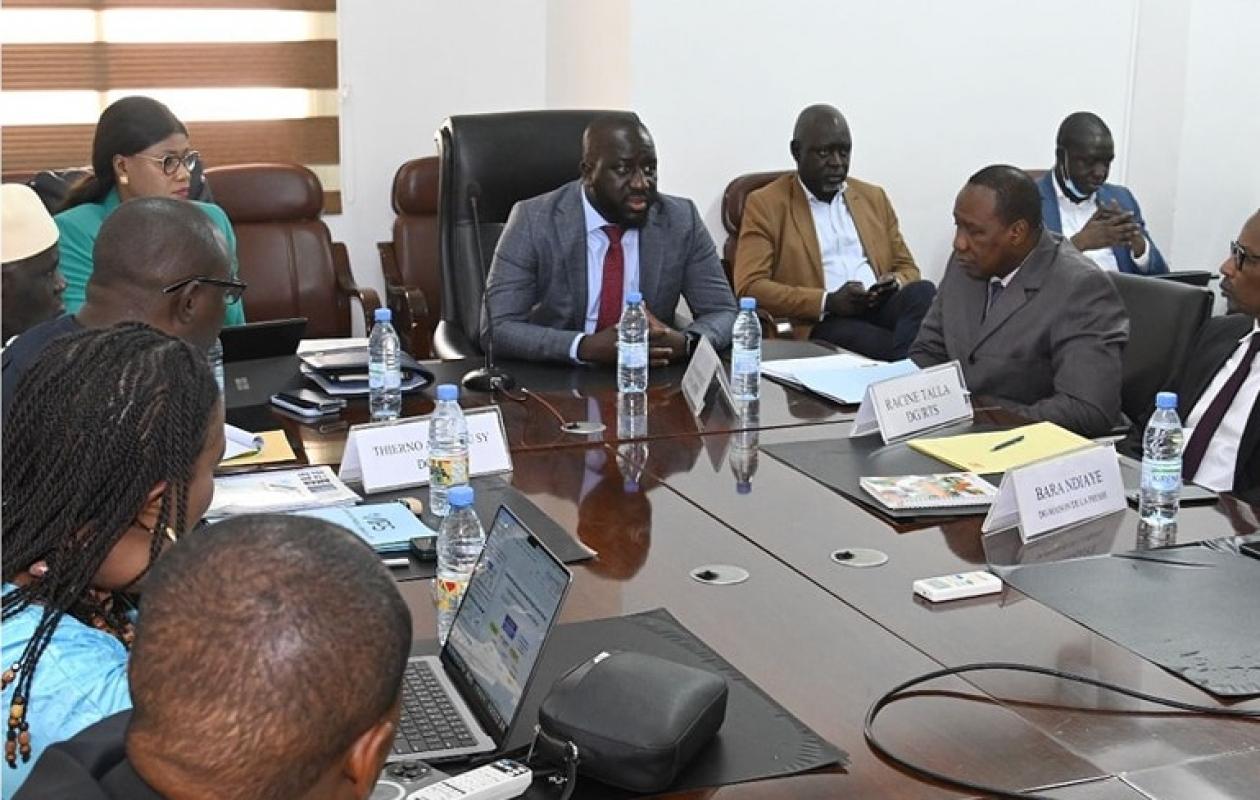
Fonds d’appui à la presse : transparence ou intimidation ?
In its Tuesday edition, the newspaper L'Observateur reports that Mame Matar Guèye of the NGO Jamra has been summoned imminently. This summons is reportedly linked to his statement regarding the distribution of press support funds. According to the newspaper, Guèye allegedly stated that a significant portion of the funds was directed towards media outlets deemed favorable to the current regime.
In this respect, this summons looks more like a legalistic attempt to bring the issue to court, or even an intimidation tactic aimed at shutting down the debate. If the distribution of press subsidies is generating so much controversy, it is precisely because the essential element—transparency—has been overlooked.
It is clear that the ministry has not been transparent about the use of resources. The list of beneficiaries was expected to be made public before any distribution. This is especially true given that, as Habibou Dia points out, one of the eligibility criteria is the requirement to "submit an annual financial statement," a guarantee of transparency. The ministry therefore has an obligation to lead by example by also publishing its list of beneficiaries—a true mark of transparency.
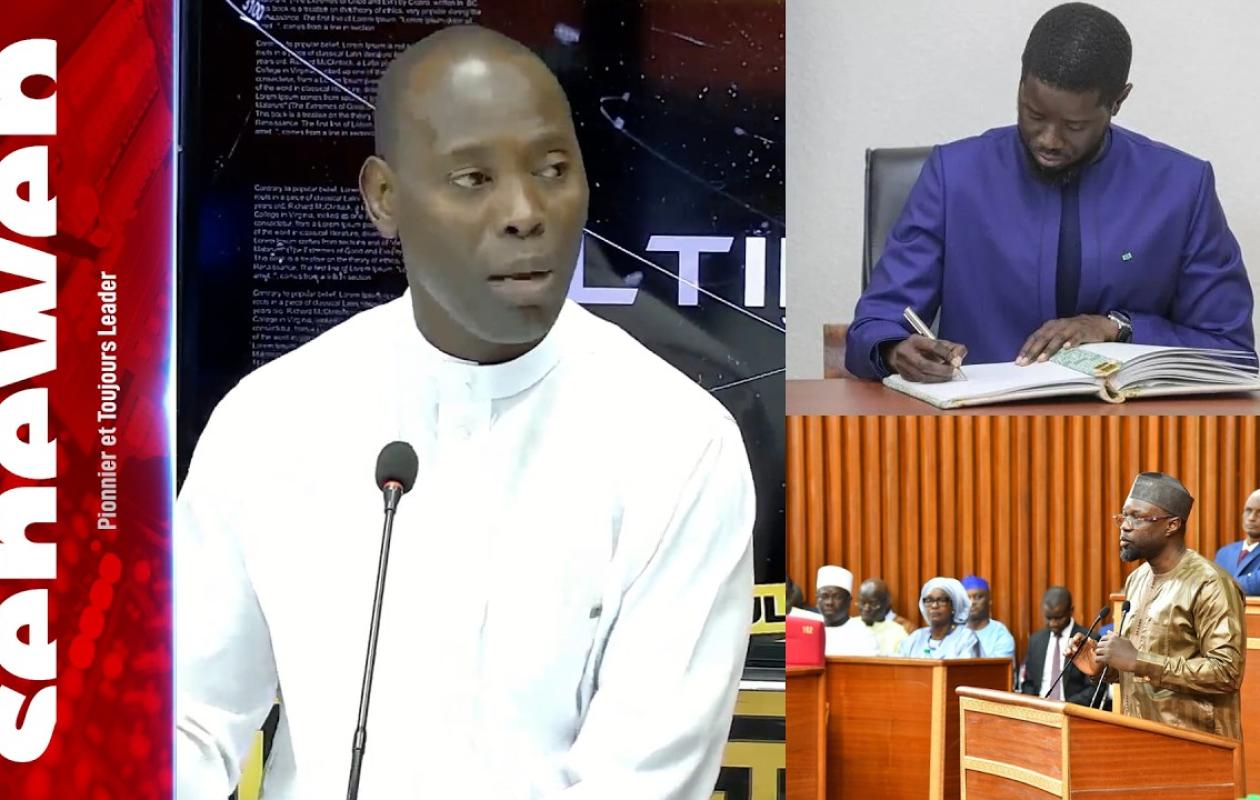
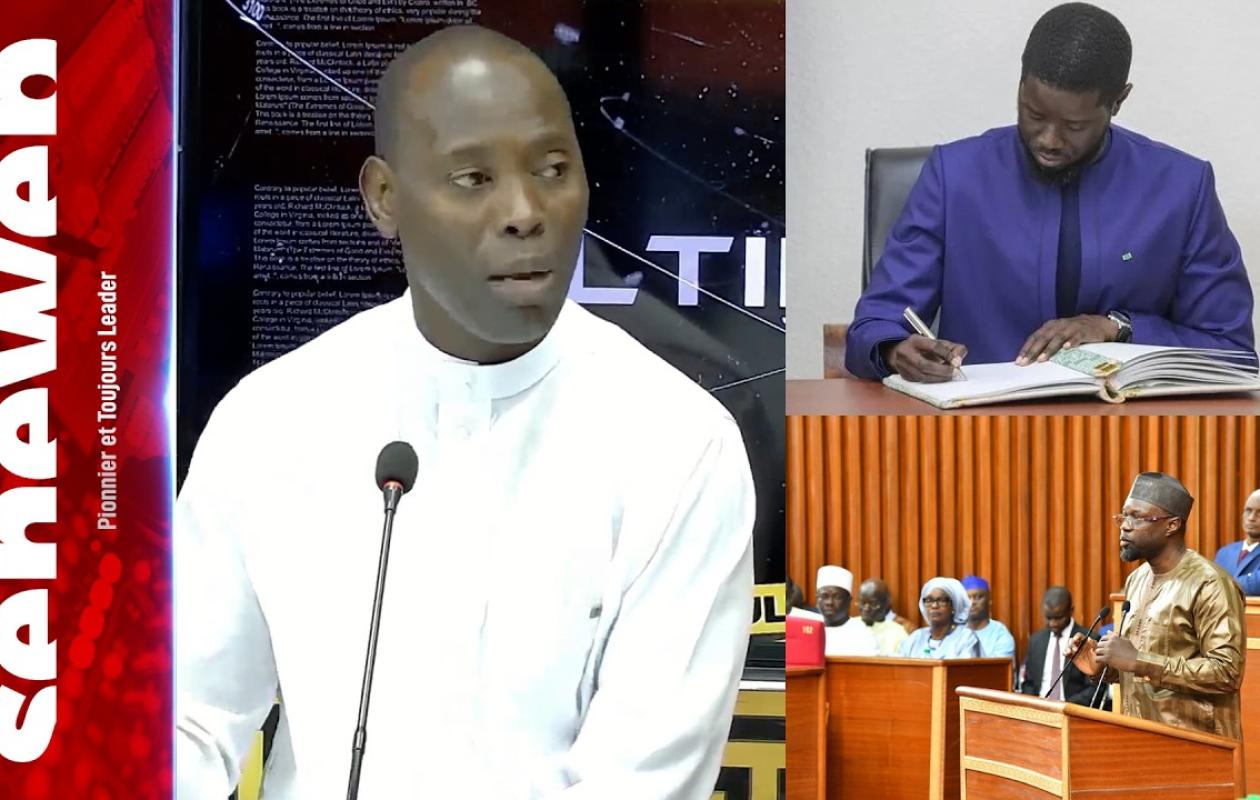
Instead, the public has been given a promise of publication from the Director of Communications. "The Senegalese people will know exactly who received what," he promised on Seneweb on January 5th. Nearly three months have passed, and the list remains secret. This raises serious questions about the Ministry of Communication's true commitment to transparency.
It is certainly commendable to announce that the list of beneficiaries has been reduced from 500 to 120, but the Senegalese people must still be allowed to judge for themselves. Ideally, this requires the publication not only of this year's list, but also those of previous years, which the former regime refused to make public, regardless of the ministers involved.
From the moment the press aid was announced, the CDEPS (Council for Economic and Social Development) raised the alarm. Regardless of the fact that its president suffers from a lack of legitimacy in the eyes of the new authorities—particularly after the closure of his newspapers Stade and Sunu Lamb—he remains a key player in the sector. But beyond the individuals involved, what matters is the relevance of the question raised. Moreover, it can be asked by any citizen, because ultimately, it concerns public funds.
The contempt shown towards the CDEPS (internal actor), combined with the summons of Mame Matar Guèye (external actor), gives the impression of a refusal to accept the debate, whoever initiates it.
The CDEPS also accuses the ministry of distributing the funds without convening the management board. However, according to the 2021 decree, it is this board's responsibility "to approve subsidies and support for press companies and other stakeholders in the sector." It should be noted that press owners, journalists, media technicians, and other stakeholders are represented on this board. It is therefore a body capable of guaranteeing a minimum level of transparency.
In view of the numerous criticisms made by Alioune Sall and his collaborators against the former regime — particularly on the relations between the press and the government, and on the management of aid to the press — one could have expected a more exemplary governance of public resources intended for the media.
Unfortunately, for the moment, a feeling of continuity prevails.













Commentaires (9)
Participer à la Discussion
Règles de la communauté :
💡 Astuce : Utilisez des emojis depuis votre téléphone ou le module emoji ci-dessous. Cliquez sur GIF pour ajouter un GIF animé. Collez un lien X/Twitter, TikTok ou Instagram pour l'afficher automatiquement.