De l’esclavage à la pédocriminalité : Jusqu'à quand l'État fuira-t-il ? (Par Adama Ndiaye)
Senegal readily admires itself in the mirror of its democratic stability and its Teranga, its legendary hospitality. Yet, a sordid shadow looms over our streets, before our indifferent or complicit eyes: that of the talibé children. We must have the courage of the words: the situation of these thousands of children, exploited under the guise of a perverted religious education, constitutes a true national shame.
For decades, the Senegalese state has been retreating. Why? Through electoral calculations and fear of offending certain Koranic teachers and religious leaders. This doomed struggle between children's rights and the obscurantism of a few has transformed the streets into a marketplace for human flesh.
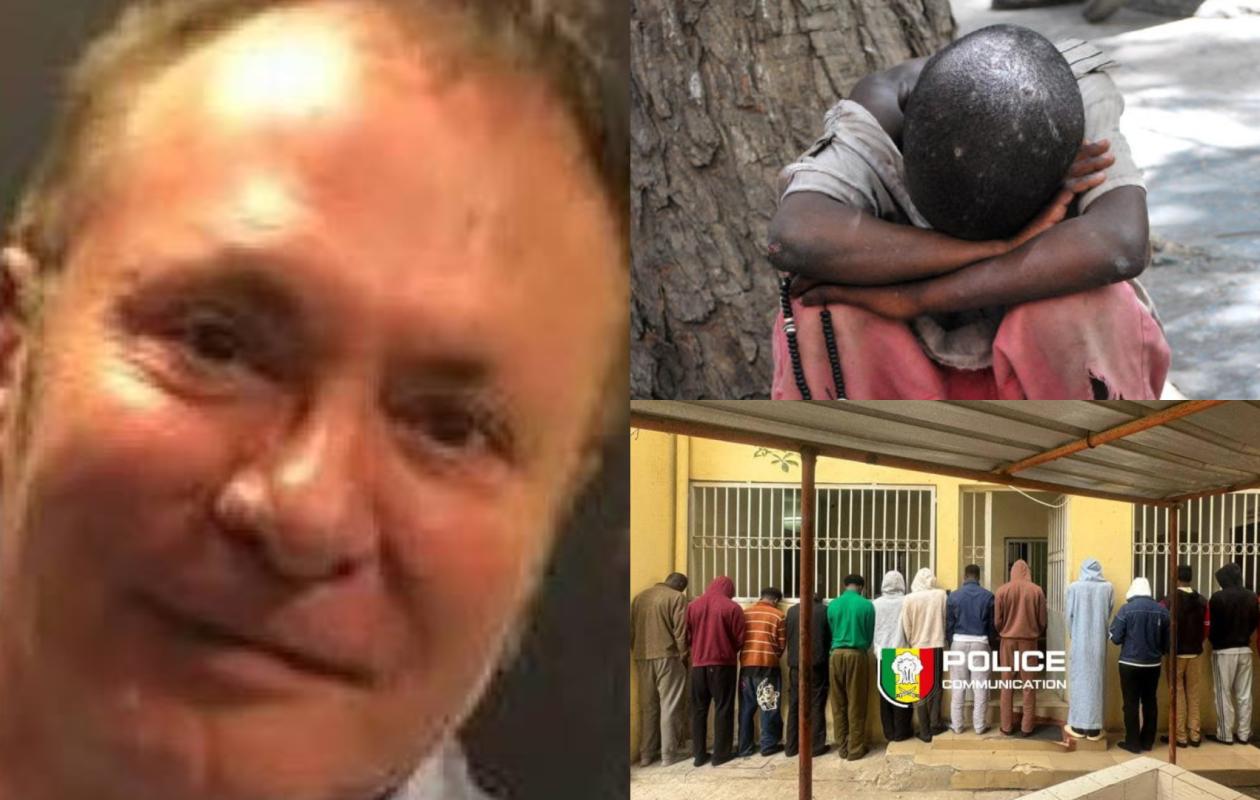
The tragedies are countless. Who can forget the Medina fire in 2013, where nine children perished, burned alive in a squalid room? Who can ignore the cases of systematic torture, like the children chained in Louga in 2019 or in Ndiagne in 2020, under the pretext of "correction"? Once the initial burst of media outrage has passed, silence falls again. The tragedy of the talibés is systematically relegated to the back burner by authorities who prioritize social peace over the bloodshed of the most vulnerable.
Today, a new level of infamy has been reached with the dismantling of the Pierre Robert network. This international pedophilia network, active since 2017 between Senegal and France, transformed children — the majority of whom are believed to come from the ranks of talibés, according to the initial findings of the investigation — into sexual objects.
Fourteen people have been arrested for "organized pedophilia" and "intentional transmission of HIV/AIDS." Under the orders of a French predator, these young boys, already vulnerable due to life on the streets, were subjected to filmed abuse in exchange for a few banknotes. If the state had protected these children from begging, they would never have fallen prey to these monsters.
In April 2010, during a visit to Dakar, Michaëlle Jean, then Governor General of Canada, made a heartfelt plea to President Abdoulaye Wade: "That so many children are handed over, exposed to begging, that the labor of so many of them is exploited... This has a sad name and it is called slavery!"
Sixteen years later, this observation of modern slavery remains urgently relevant. The figures are overwhelming: the latest estimates from the NGO Human Rights Watch and UN agencies suggest that there are still more than 100,000 talibé children begging in the streets of Senegal, including nearly 30,000 in the Dakar region alone.
Successive regimes have failed to make significant progress on this issue. Following Michaëlle Jean's radical intervention, Prime Minister Souleymane Ndéné Ndiaye promised to ban begging; the measure fizzled out. Under Macky Sall, the "Removing Children from the Streets" project launched in 2016 and the Daara modernization program proved to be further short-lived initiatives.
Last April, Prime Minister Ousmane Sonko declared his intention to resolve this issue "once and for all." But words are no longer enough. A country that fails to protect its most vulnerable segment of the population due to a lack of political courage deserves to be ostracized by the international community.
As the Malian writer and intellectual Amadou Hampâté Bâ so aptly put it: "Youth is like a plant: if you don't water it, it withers; if you don't support it, it creeps along the ground."
Today, Senegalese children are no longer crawling; they are being trampled, raped, and sold. If the Pierre Robert case does not provoke a definitive awakening, we will no longer be able to say that we didn't know. We will all be, collectively, complicit in this state crime.














Commentaires (21)
Participer à la Discussion
Règles de la communauté :
💡 Astuce : Utilisez des emojis depuis votre téléphone ou le module emoji ci-dessous. Cliquez sur GIF pour ajouter un GIF animé. Collez un lien X/Twitter, TikTok ou Instagram pour l'afficher automatiquement.