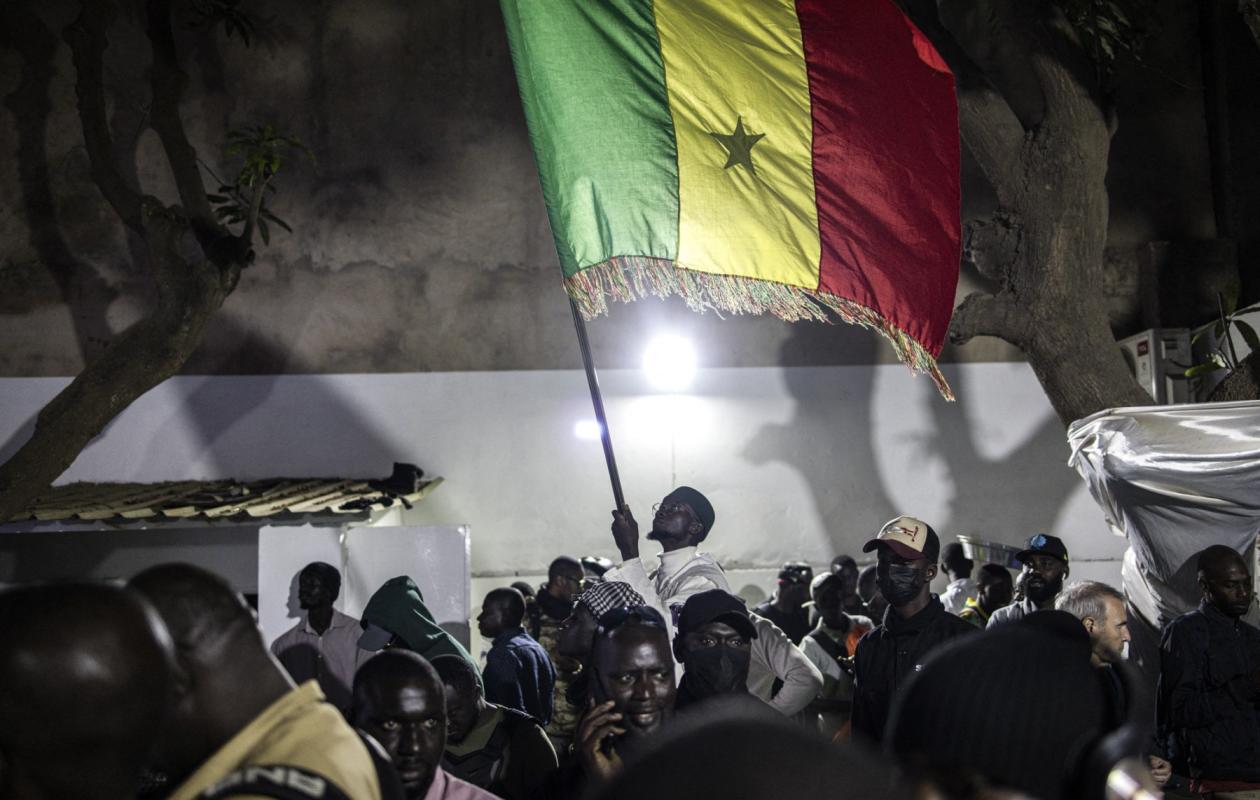
Pour sortir de l'impasse : vivement la présidentielle anticipée (par Adama Ndiaye)
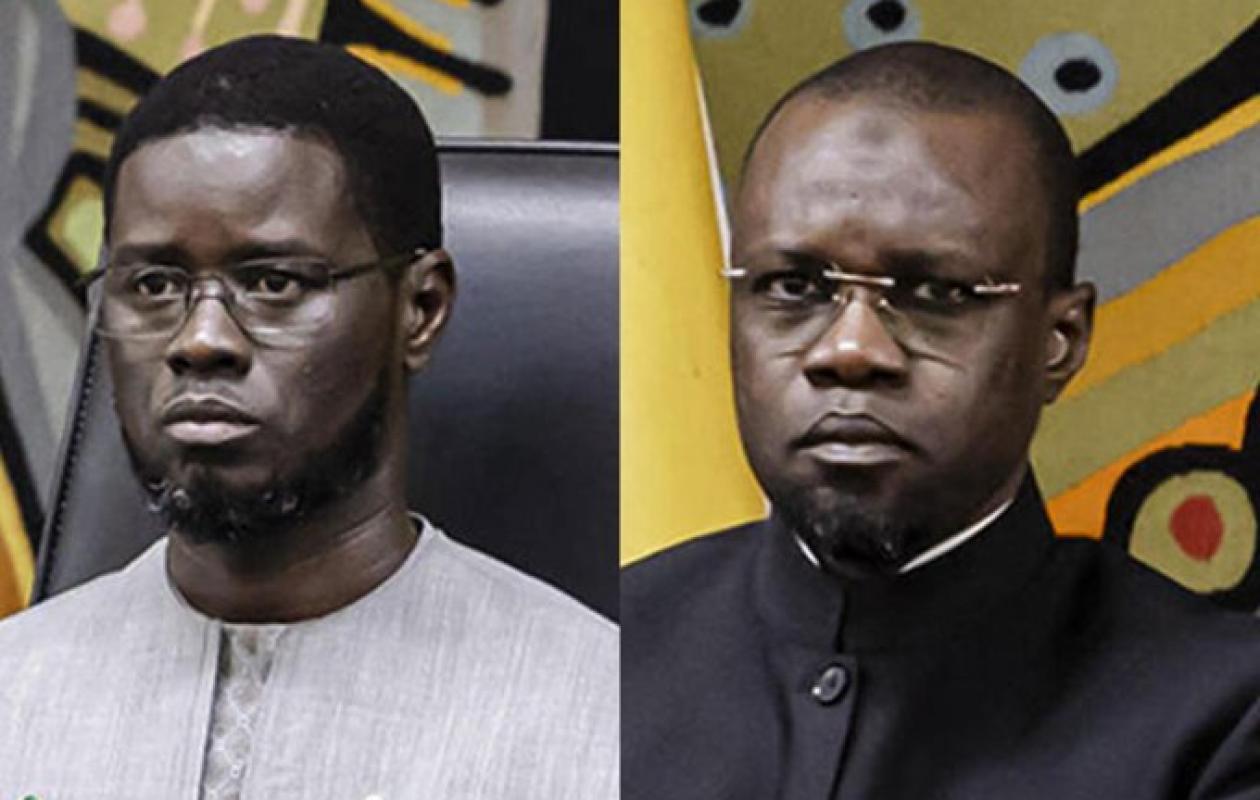
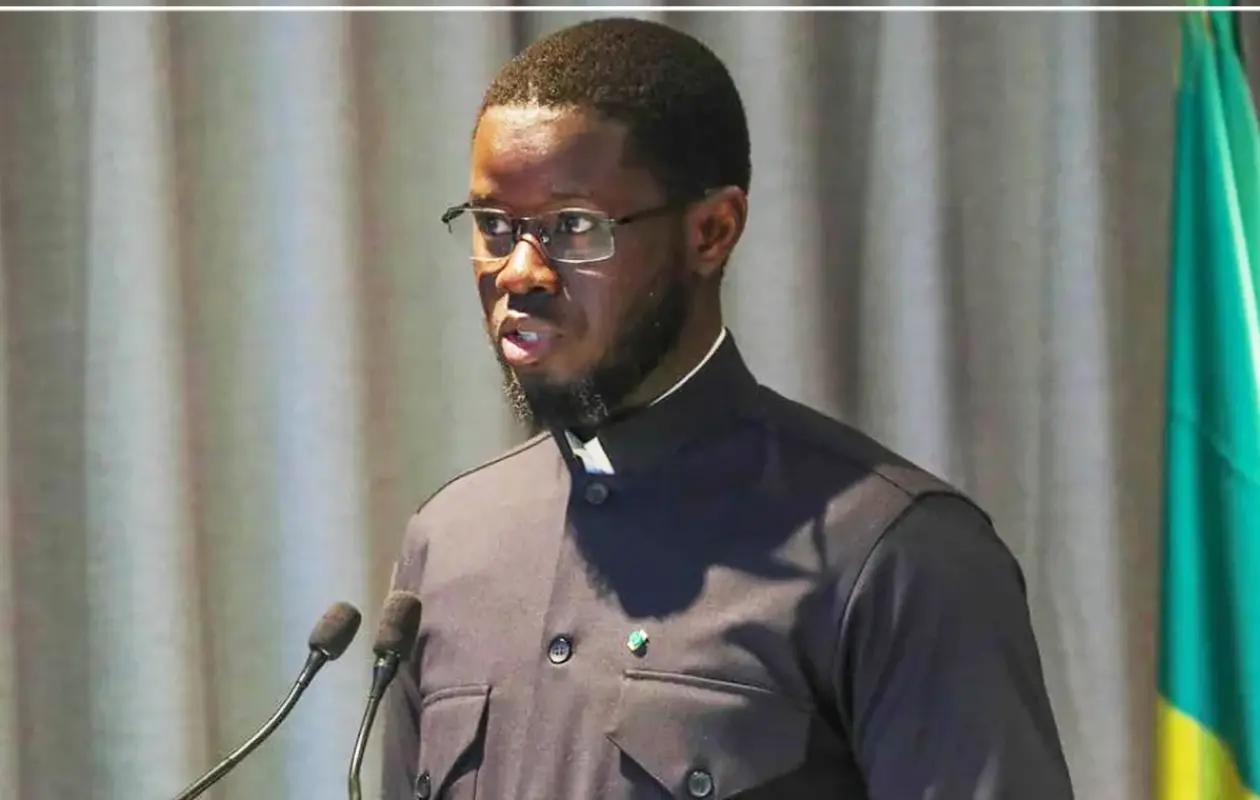
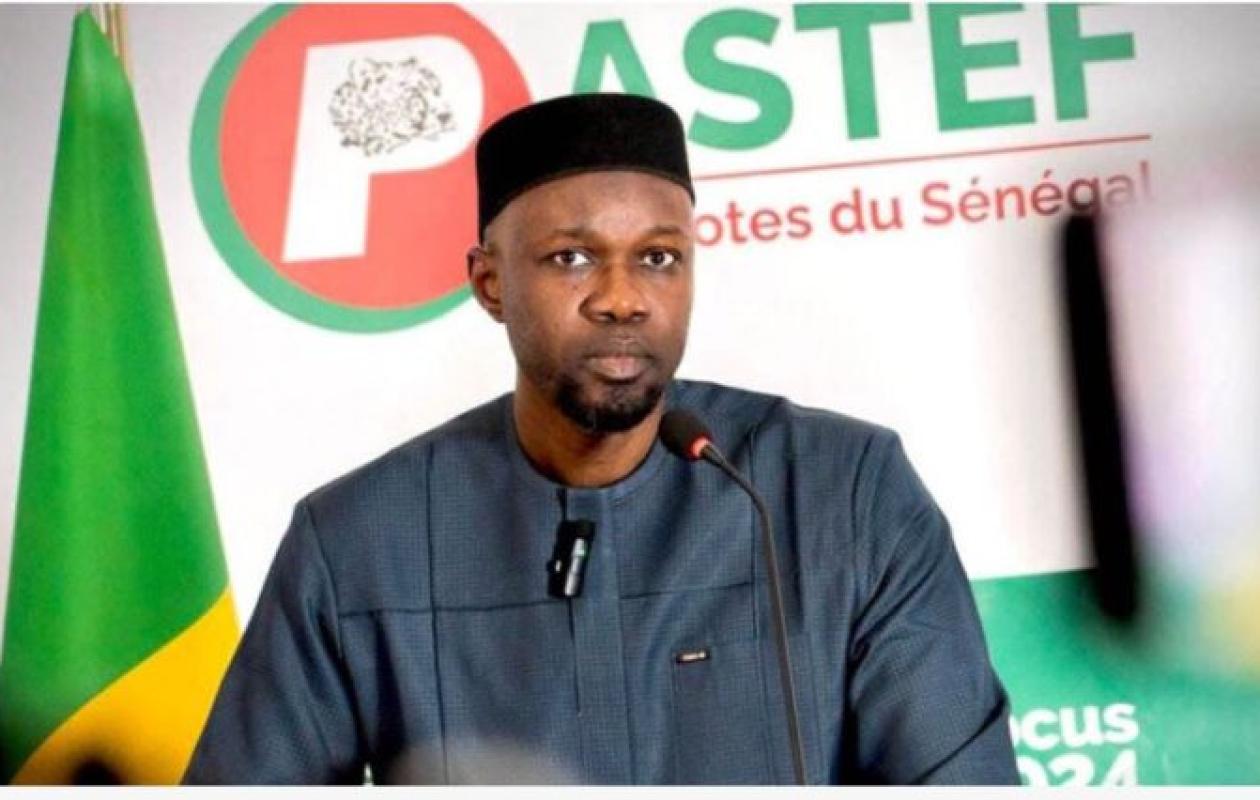
The latest political developments at the beginning of June 2026 demand a pause for reflection. On the one hand, Ousmane Sonko's press conference on Tuesday, June 2nd, preceded by his outburst in the National Assembly. On the other, Bassirou Diomaye Faye's stance during the ceremony commemorating the centenary of Abdoulaye Wade's presidency. This clash of styles and ambitions creates a profound unease in the mind of every observer. Faced with this fratricidal duel at the highest levels of government, one is tempted to invoke Shakespeare and his Julius Caesar: "Cassius is right, but Brutus must prevail."
Clearly, Ousmane Sonko is right from a purely political standpoint. By removing him from the government, dismissing PASTEF ministers, and abandoning the party's original line, the current administration gives the impression of having stolen the vote of the Senegalese people on March 24, 2024. Certainly, it was the face of Bassirou Diomaye Faye, candidate of the Diomaye President coalition, that crossed out the ballots in the polling stations, and it was he who was legitimately nominated after a first-round victory. But the true winner of this presidential election, the architect of the project, was Mr. Sonko. The observation is almost brutal, but realistic: he could have nominated a donkey as his candidate, and the Senegalese people would have voted for him without hesitation.
Ousmane Sonko remains the guarantor of the popular legitimacy of this regime, a foundation clearly confirmed by the absolute majority obtained by Pastef in the legislative elections of November 17, 2024. To see him thus ousted from the state apparatus — even though he largely contributed to it through his repeated and inconceivable attacks against the head of state — is, for his supporters, akin to a denial of democracy.
Yet, while Sonko's camp can legitimately cry betrayal, the President of the Republic, at least in terms of official pronouncements and public stances, seems to be on the right track in terms of republican principles. Certainly, skeptics will see this as a shrewd political calculation, a way of donning the mantle of wisdom to better push his rival into a trap of agitation. Nevertheless, since assuming power, Bassirou Diomaye Faye has inhabited the presidential office with a dignity, restraint, and sobriety that contrast sharply with the surrounding turmoil. Prudently remaining above partisan squabbles, his stated commitment to mending the national fabric, damaged by three years (2021-2024) of constant tension, remains commendable.
This was, in fact, the line initially advocated by Ousmane Sonko himself before he reverted to his belligerent rhetoric a few months after taking office as Prime Minister. In Bignona, during the 2024 campaign, he proclaimed: "The Senegalese people want to rediscover their unity, their joy of living, their fraternity." This aspiration for national unity has unfortunately been overshadowed by divisive speeches, designed to galvanize a base rather than to unite the nation.
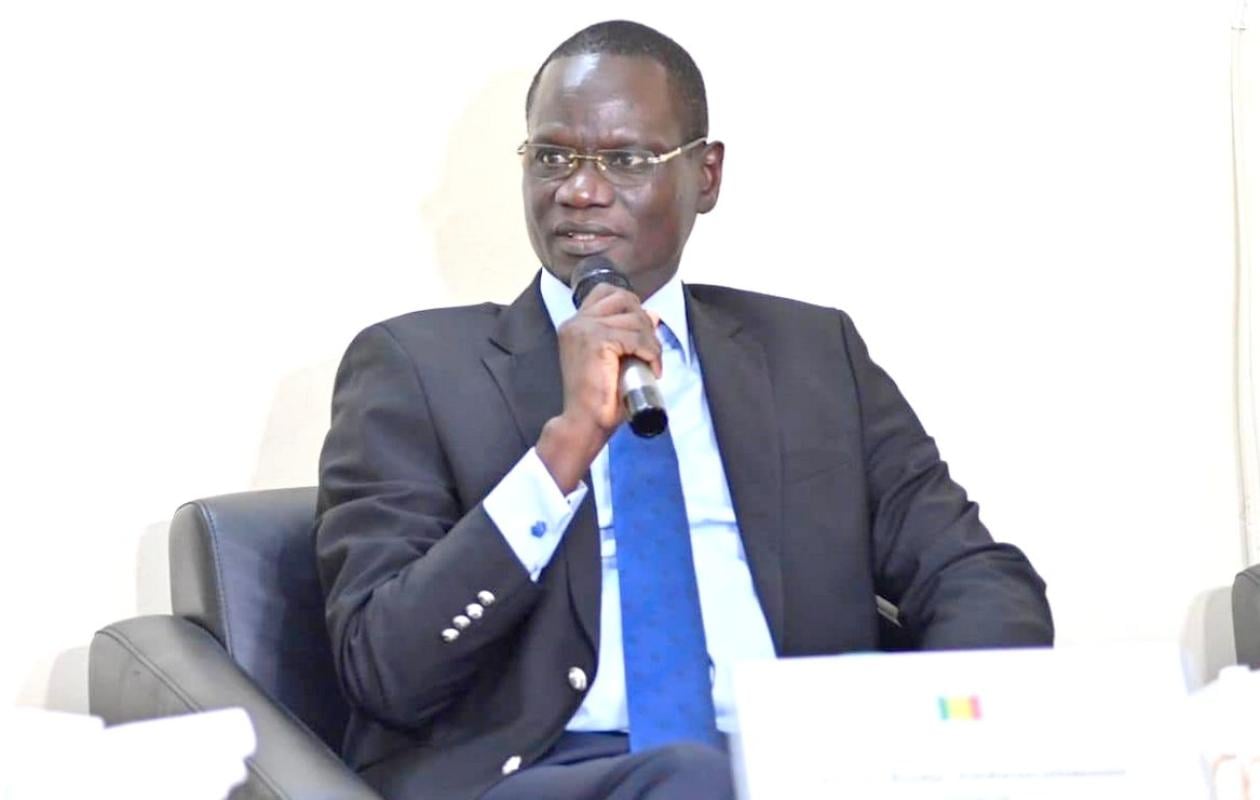
What then of accountability and justice for the victims of the 2021-2024 unrest? In this regard, ministers like Ousmane Diagne and Jean-Baptiste Tine embodied the right approach: acting rigorously, but in strict compliance with the rule of law. This methodical approach clearly clashed with Mr. Sonko's desire for summary justice.
Whatever one may criticize President Faye for today in terms of political loyalty, his stance on the functioning of the institutions is clear, and any sincere republican can only approve of it.
Of course, the idea of plunging the country back into an election campaign is not without serious drawbacks. Senegal is going through a severe economic crisis, marked by downward revisions to our growth forecasts and persistent uncertainties surrounding the conclusion of a new program with the International Monetary Fund (IMF), crucial for our fiscal credibility. Added to this are the shockwaves of geopolitical tensions in the Middle East, which are driving up energy costs and increasing the cost of living. Launching a new electoral cycle in such a climate of financial vulnerability is akin to a leap into the unknown that could frighten partners and freeze investment.
Nevertheless, early elections remain the least bad and healthiest solution for breaking the deadlock. Without this return to the people, the country risks a far more destructive scenario: a permanent and deadly institutional gridlock between a National Assembly beholden to Ousmane Sonko's exclusive cause and an executive branch clinging to its legal prerogatives.
Faced with the risk of total state paralysis, the cost of holding an election is a lesser evil, especially since this new electoral landscape would offer a historic opportunity: to organize a truly inclusive and open election, finally guaranteeing the unhindered participation of all political persuasions in the country. By fairly resetting the clock, Senegalese democracy would emerge purified.
To cut this Gordian knot, we must therefore appeal to the only sovereign arbiter. Abraham Lincoln recalled an immutable rule of political science: “Democratic institutions belong to the people. Whenever they stray or become bogged down in bureaucratic calculations, it is up to the people to correct them by the only sovereign means: the ballot box.” So that the Senegalese people are not forgotten in these palace machinations, their voice must be given back.
The idea of an early presidential election should no longer be taboo. Among the possibilities, the most plausible scenario would see President Bassirou Diomaye Faye resign to trigger the election. The crux of the matter—and the most intriguing of institutional paradoxes—lies in the constitutional mechanism: in the event of such a vacancy, the interim presidency falls to the Speaker of the National Assembly. Ousmane Sonko would then find himself propelled into the role of transitional head of state, tasked with organizing an inclusive election in which he would face his former ally as well as the entire spectrum of the nation's vital forces.
When the ballot boxes have delivered their final verdict, Senegal will finally be able to move forward, free from court calculations and apparatus combinations, in the exclusive direction that the people will have chosen.







Commentaires (104)
Participer à la Discussion
Règles de la communauté :
💡 Astuce : Utilisez des emojis depuis votre téléphone ou le module emoji ci-dessous. Cliquez sur GIF pour ajouter un GIF animé. Collez un lien X/Twitter, TikTok ou Instagram pour l'afficher automatiquement.