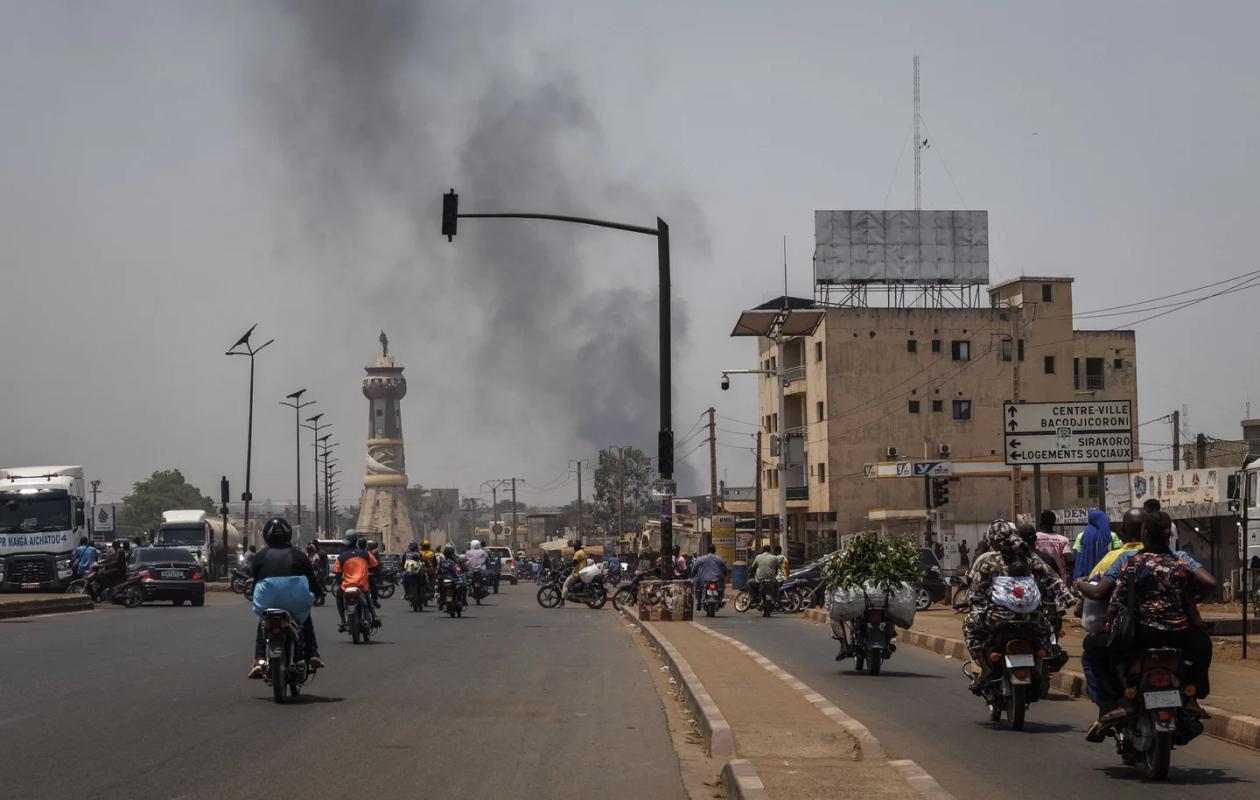
Situation au Mali, pourquoi ce désintérêt au Sénégal ?
Mali has been facing a difficult security situation for several months. Two days ago, the situation deteriorated further with the capture of the city of Kidal, followed by the death of the Minister of Defense and several other injuries, including the Chief of the General Staff of the Armed Forces and the Director of Intelligence. Some sources even claim that General Assimi Goïta, the Head of State, was wounded. In addition, the city of Gao is at risk of falling.
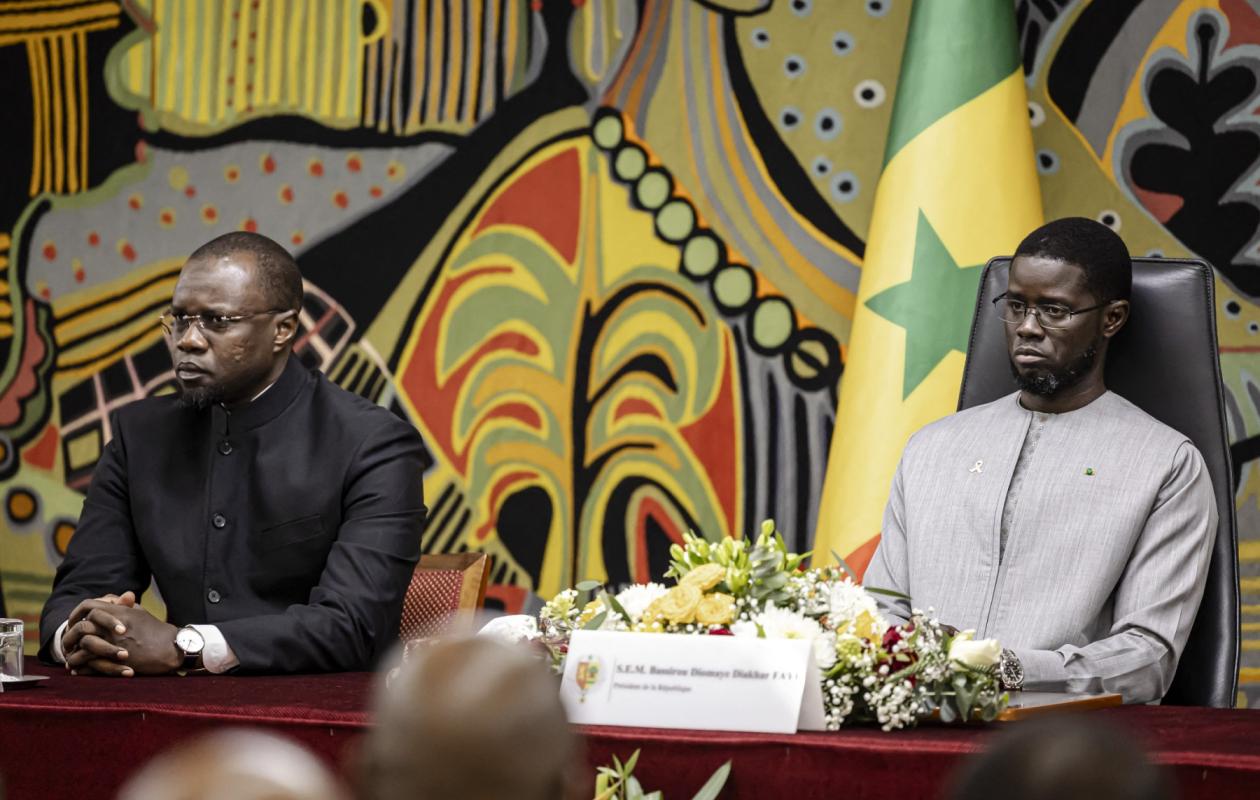
Despite this alarming situation, there has been little reaction from Senegal. While President Bassirou Diomaye Faye condemned "in the strongest possible terms the terrorist attacks" and pledged Senegal's support to Mali, there has been almost complete silence from the authorities, the opposition, and civil society. Judging by the attitude of all these actors, one doesn't get the sense that the threat is close to our country. Why then this silence, which borders on indifference?
In journalism, there's what's called the law of proximity, sometimes referred to as the "death kilometer." This means that the closer a citizen feels to individuals affected by a news story, the more concerned they feel and the more they want to know. This proximity can be geographical, emotional, religious, professional, etc.
According to this principle, Senegal had to be concerned about everything happening in Mali. Firstly, for geographical reasons, because Mali is a neighboring country. Consequently, any instability in Mali represents a threat to Senegal. Bamako therefore serves as a bulwark for Dakar against the jihadism that plagues the sub-region. If Mali were to fall, Senegal would be the next target.
Secondly, for historical reasons, because in addition to having partly belonged to the same empires in the past, the two countries formed a federation immediately after independence, which explains the similarity of their flags and mottos. And that's not even mentioning the cultural ties between the two peoples.
Finally, there are economic reasons. Mali, being a landlocked country with no access to the sea, has a significant portion of its imports and exports passing through the port of Dakar. The massive presence of Malian trucks on the Dakar-Tamba national highway is the most visible manifestation of this.
For all these reasons, Dakar should have been the first country to feel concerned by any security, economic, and even political instability in its neighbor. Paradoxically, apart from a few voices directly interested in the issue, such as Cheikh Tidiane Gadio, Bakary Samb, and Alioune Tine, political leaders, intellectuals, civil society, and even businesspeople are not very visible in addressing the matter.
Outside the media framework
These figures, like the media, seem to have blinders on when it comes to domestic issues. The late Jean Meïssa Diop said that Senegal has a homebody press. The lack of interest that the Senegalese media are currently showing in the situation in Mali proves him right. Not a single special correspondent in Mali, despite its proximity. Strangely enough, it was in this same Senegal that we saw a media group deploy a reporter to the border with Ukraine in 2022, at the outbreak of the conflict with Russia.
A few months ago, and more recently, a few weeks ago, Mali experienced a blockade imposed by the JNIM jihadists. The country suffered a severe fuel shortage, as no tanker trucks were able to enter Mali, regardless of their country of origin. Dakar also felt the repercussions through its port, a major transit point for goods. But this news went almost entirely unnoticed in Senegal.
This isn't about delving into political considerations to determine whether the regime is legal or illegal, or whether these strategic choices are good or bad. In any case, Dakar is obliged to deal with those in power in neighboring countries, regardless of their political system. It's not up to Dakar to decide whether power should be military or civilian, or whether it should be exercised through force of arms or elections.
What needs to be emphasized here are Senegal's interests. It is therefore time for Dakar to urgently reconsider its relations with Mali and to help Bamako confront jihadism. If we were capable of sending a contingent of 500 troops in 2013 as part of MINUSMA, we should be able to do more in 2026 by mobilizing other countries in the sub-region, as President Diomaye Faye announced. But to achieve this, we must move beyond simply reacting and take the initiative. The situation today is no less concerning than it was 13 years ago, unless the mobilization were primarily French rather than African.










Commentaires (57)
Participer à la Discussion
Règles de la communauté :
💡 Astuce : Utilisez des emojis depuis votre téléphone ou le module emoji ci-dessous. Cliquez sur GIF pour ajouter un GIF animé. Collez un lien X/Twitter, TikTok ou Instagram pour l'afficher automatiquement.