
17 questions que le Sénégal pose à son nouveau Premier ministre ( Par Fatou Ouleye Sambou)
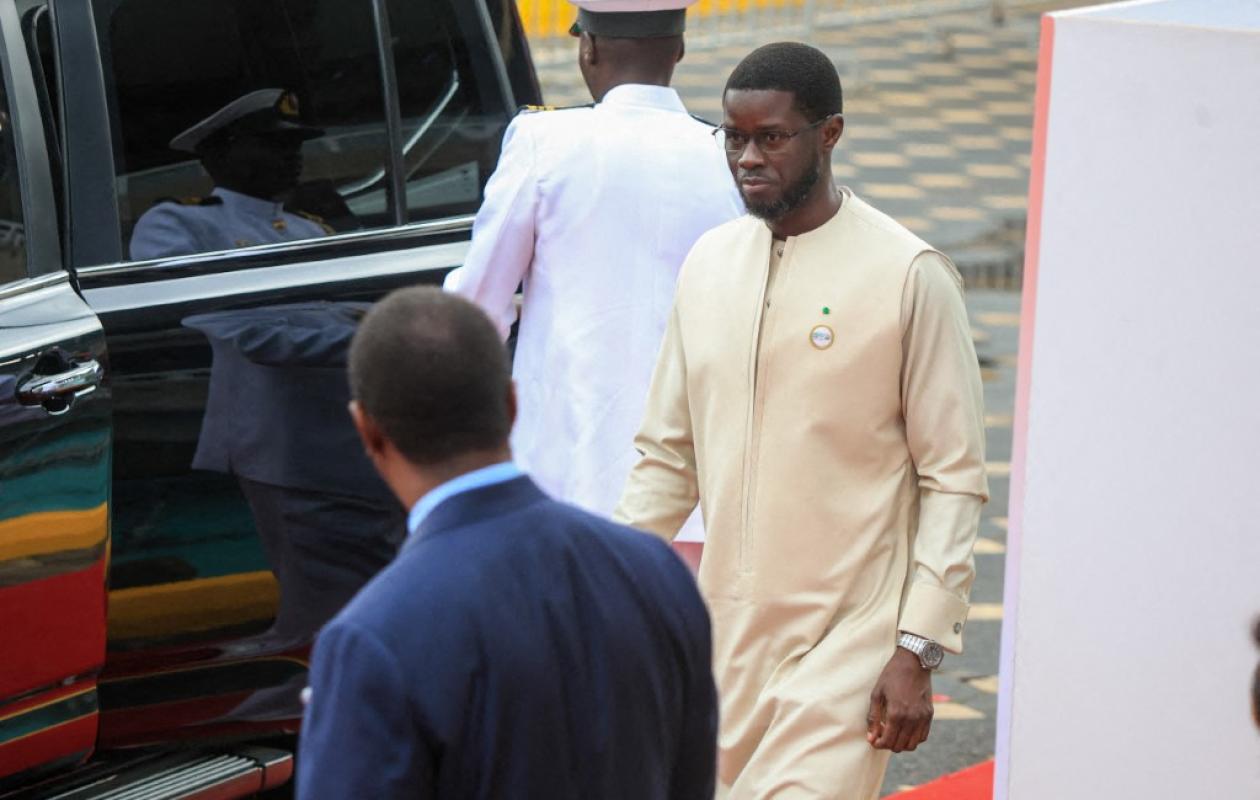
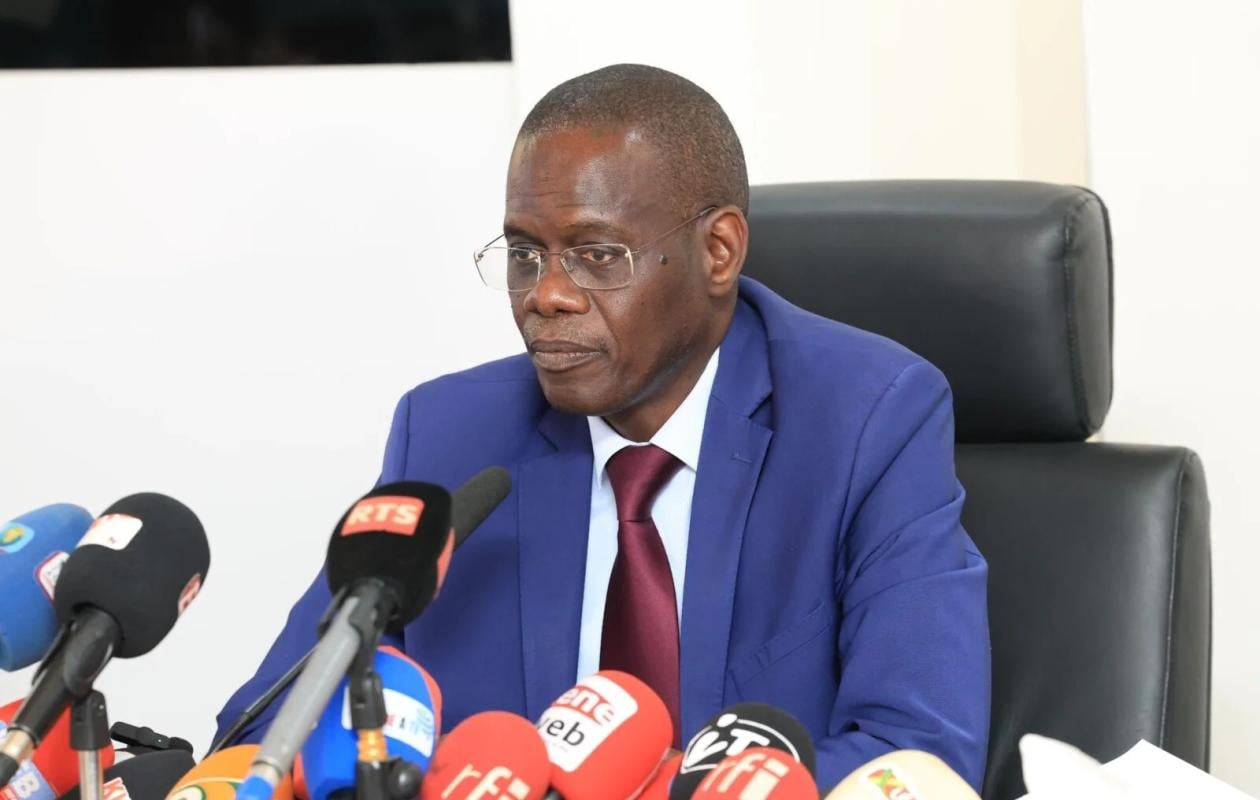
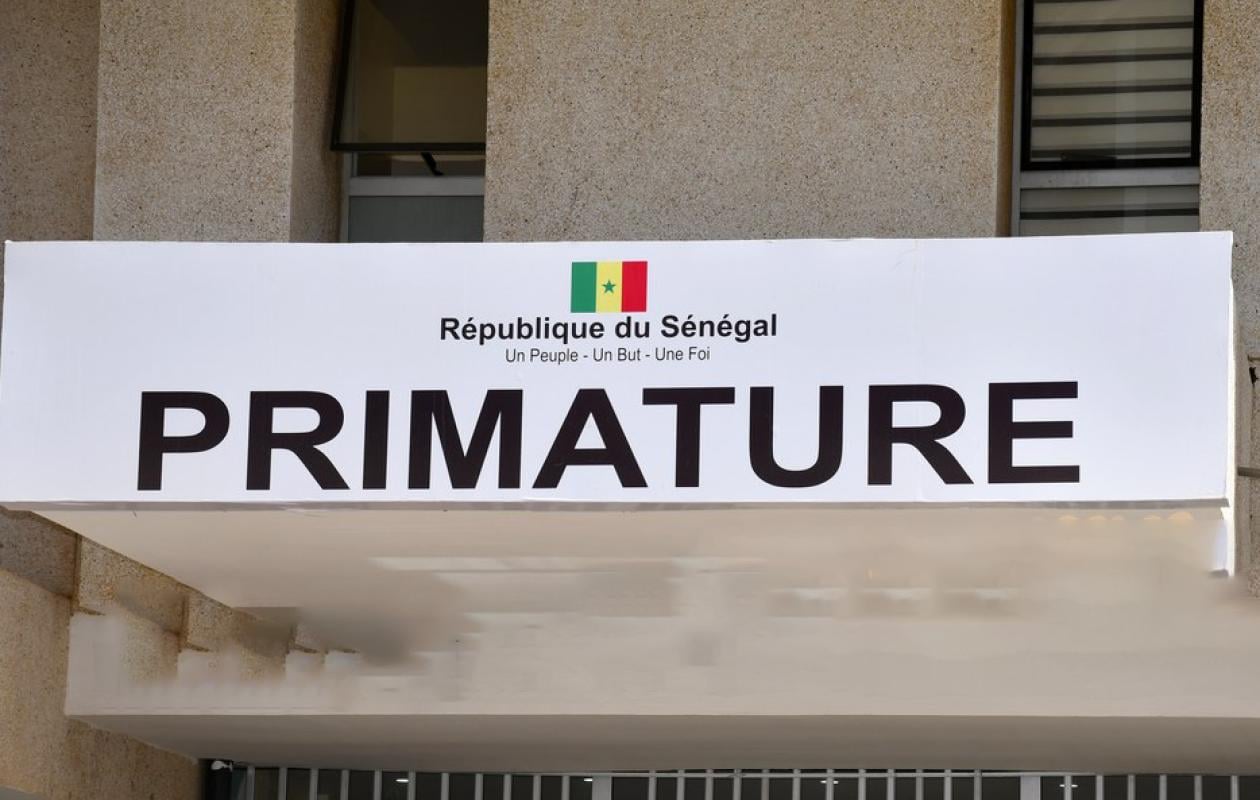
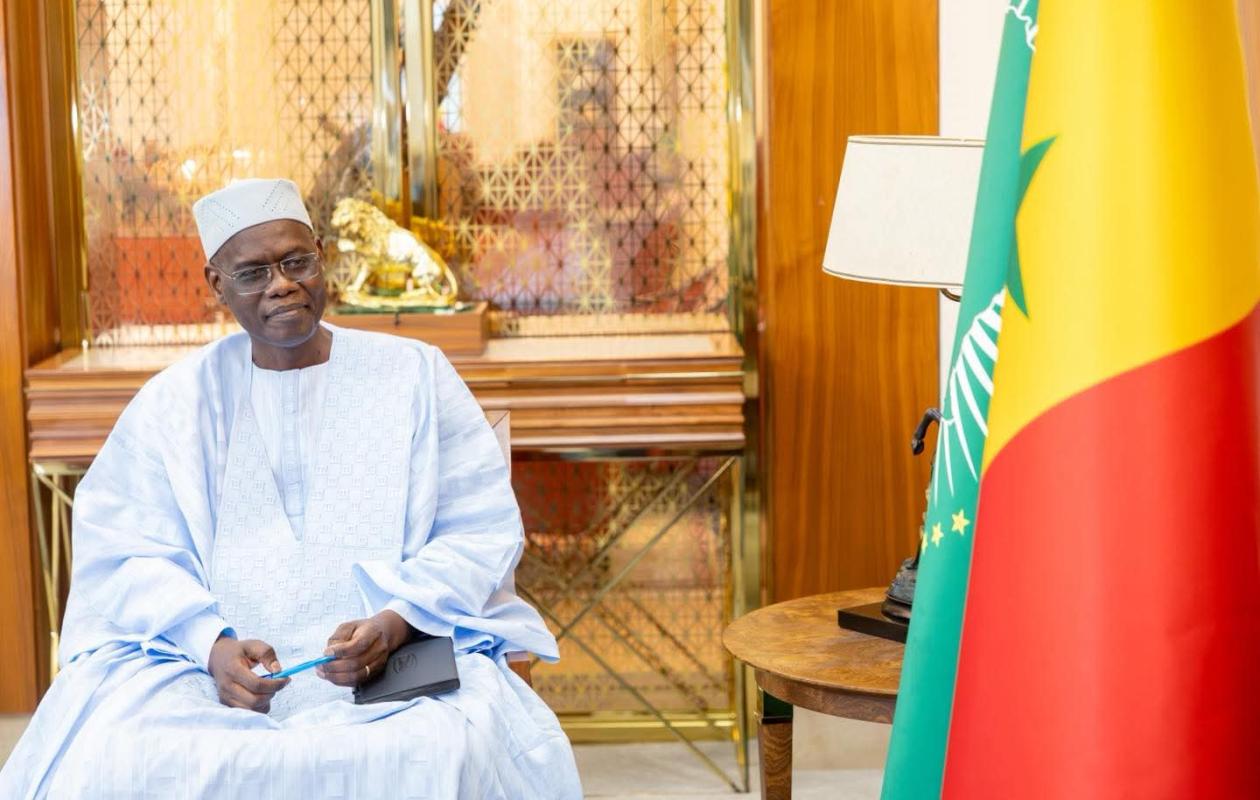
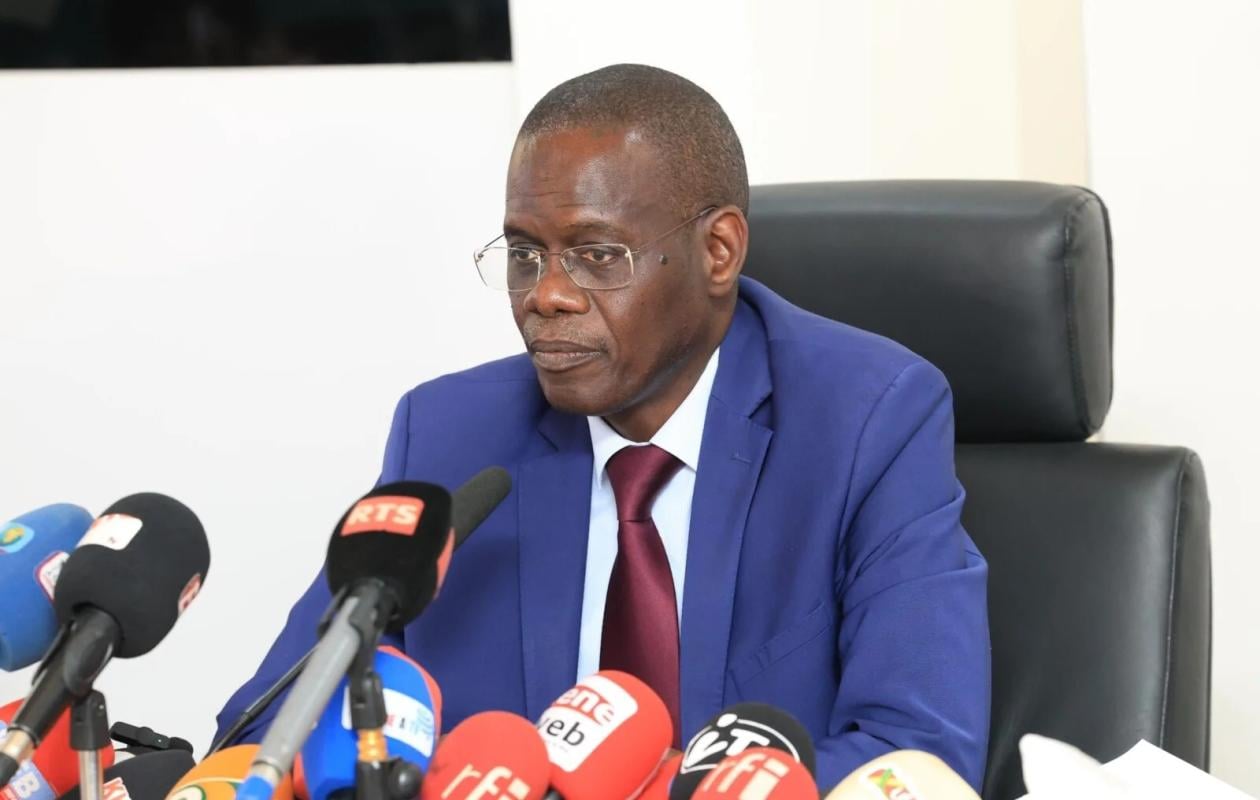
The appointment of Mr. Al Amine Lo as Prime Minister stands at the crossroads of two worlds: the world of political fervor, which wins hearts, and the world of cold, hard management, which governs nations. This senior banking official, whose rigor has maintained regional monetary stability, now finds himself confronting a human and social emergency. At this pivotal position within the state, his supreme duty will be to embody a unifying figure, a subtle role as a "father of the nation," capable of reconciling grievances without ever compromising justice. He knows this dual imperative of patriotic cohesion and ethical rigor intimately, having been one of the silent architects of the "Senegal 2050" vision. But as the excitement of the election fades before the harsh realities of public administration, the sovereign people, who have sealed the pact of change, now demand proof of their restored dignity. It is in the name of this civic vigilance, and in the wake of major analyses that question the future of our democratic model, that this memorandum of clarity is being presented. Seventeen fundamental questions, to illuminate the path of public action and ensure that Senegal does not miss its rendezvous with history.
I. Economic sovereignty and endogenous financing
1. On what concrete horizon will the Senegalese citizen begin to perceive, in his daily life, the real effects of the announced break, particularly on the prices of rice, oil and electricity?
2. How do you plan to arbitrate between the budgetary rigor imposed by debt restructuring and the immediate social pressure linked to the high cost of living?
3. Will the schedule for publishing audits and renegotiating mining, gas and oil contracts be carried out with the utmost transparency, and according to what red lines to preserve the country's attractiveness?
4. What concrete strategy will make it possible to transform the informal sector, which is currently dominant, into a genuine structured lever for growth rather than simply a basis for tax expansion?
II. Transformation of the State and Administrative Efficiency
5. Are you prepared to quickly initiate the rationalization of redundant public agencies in order to end the dispersion of skills and the opacity of responsibilities?
6. How do you plan to establish a genuine performance culture in the administration, where each minister and each director general would be regularly evaluated on their results?
7. What measures will overcome the administrative slowness and excessive caution that currently hinder investment and paralyze public and private initiative?
8. Will the reduction of the state's standard of living begin with the central structures of power, before any additional requests are made to the population?
III. Human Capital and Youth Integration
9. How can we concretely transform the political and activist energy of young people into real and sustainable economic opportunities?
10. How can we explain the persistence of an education system that massively produces graduates without guaranteeing their integration into productive sectors?
11. Are you prepared to consider a reform linking the end of university studies to mandatory mechanisms for paid professional immersion in the public or private sectors?
IV. Productive sovereignty, energy and territorial equity
12. What guarantees can the State provide to ensure that agricultural subsidies directly benefit actual producers and not speculative intermediary channels?
13. How can effective coordination between energy structures be ensured in order to guarantee stable, accessible and competitive electricity for households and industries alike?
14. What strategy will allow for the sustainable opening up of production areas in order to reduce price differences between regions and major urban centers?
15. What market regulation policy will make it possible to anticipate price spikes during major social events, particularly religious holidays?
V. Governance, justice and international positioning
16. How can we guarantee a balance between the citizen's demand for accountability and respect for judicial time, which is essential for legal certainty and institutional stability?
17. Finally, will the Prime Minister be able to simultaneously embody the rigor of the central banker and the social sensitivity expected of a political leader in a country experiencing strong popular expectations?
Senegal is entering a decisive phase in its political history. The time for symbols is ending; the time for demonstration through actions is upon us. Our fellow citizens want to measure the Break with the Past not in promises, but in the effectiveness of decisions and social justice on a daily basis.
Mr. Prime Minister, the country is not waiting for a magician. It is waiting for a pilot.
Fatou Ouleye Sambou - Journalist, Writer, Communication Expert.












Commentaires (3)
Participer à la Discussion
Règles de la communauté :
💡 Astuce : Utilisez des emojis depuis votre téléphone ou le module emoji ci-dessous. Cliquez sur GIF pour ajouter un GIF animé. Collez un lien X/Twitter, TikTok ou Instagram pour l'afficher automatiquement.