
Au-delà de l’affaire Softcare : la confiance des investisseurs étrangers et le climat des affaires au Sénégal, des enjeux négligés (par Moustapha NDIAYE)
While MP Guy Marius Sagna has recently made numerous public statements calling on the Ministry of Health to expedite the joint investigation into the Softcare case, public attention has largely focused on consumer safety and health, as well as the lack of transparency from authorities regarding the progress of the investigation.
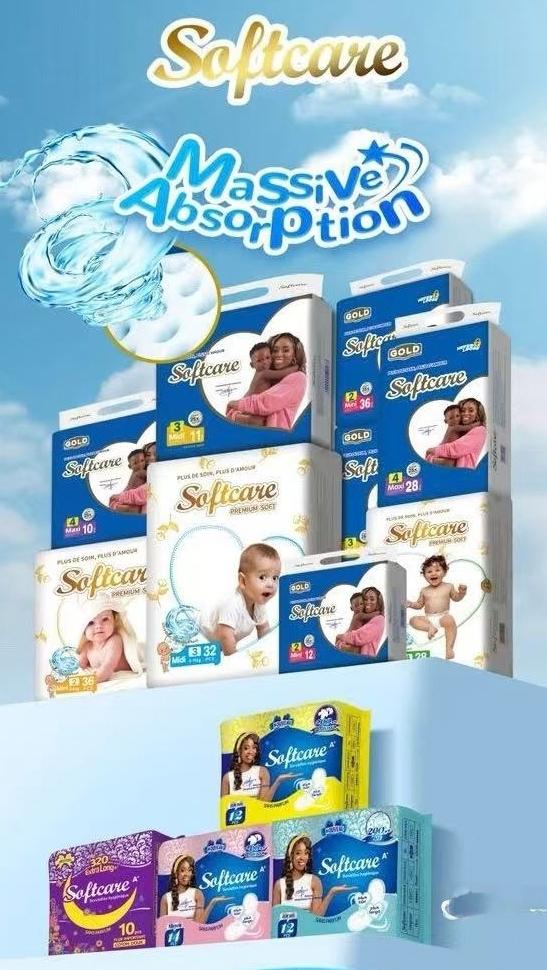
In this context, a crucial question has largely been ignored. The consequences of this affair are not limited to Softcare, which has been at the center of the media debate; they also concern all companies, both national and foreign, that are closely monitoring the unfolding of this crisis in Senegal.
Unlike Dr. Moussa Diallo, who has been very visible in the media, Softcare has maintained a measured and limited response throughout this affair. The company initially stated that the factory had been inspected by a team from the ARP (Algerian Press Agency). It then refuted Dr. Diallo's accusations of "attempted bribery." More recently, Softcare announced that it has initiated legal proceedings against him, while also releasing analytical reports produced by recognized reference laboratories. At the same time, the company reaffirmed its commitment to fully cooperating with the authorities and urged consumers to calmly await the final conclusions of the joint investigation.
It is clear that Softcare is confident in its products' ability to pass the tests of independent expert bodies and the investigation conducted by the authorities. However, in light of current debates, it is evident that public opinion remains divided and consumer perceptions remain mixed.
From a broader, longer-term perspective, the damage caused by this affair extends beyond citizens' trust in the public health system. It also affects the business climate and, more broadly, Senegal's economic development prospects.
Let's imagine for a moment that you are a foreign company already established in Senegal, or considering establishing yourself there: what will you remember from the Softcare case?
A foreign company sets up operations in Senegal, builds a factory, employs local workers, manufactures baby diapers and sanitary napkins for Senegalese consumers, and contributes to state tax revenue. Following allegations of unsubstantiated quality problems, its products are unable to be sold. Then, after the authorities authorize the resumption of sales, a public official publicly challenges the government's decision and openly accuses the company of corruption.
Subsequently, all public attention shifted to debates concerning government action and administrative procedures, while no one really questioned the current situation of this company which has nevertheless created, directly or indirectly, thousands of local jobs.
There is no doubt that Softcare is a representative company in the hygiene products sector in Senegal. The difficulties it has recently experienced constitute a serious blow to the confidence of all foreign investors operating or considering operating in the country.
In September 2025, the Senegalese government adopted a new Investment Code, strengthening equal treatment between domestic and foreign investors, reinforcing legal safeguards, and explicitly encouraging foreign investors to invest in Senegal and establish local production units. This legal framework clearly protects investors' property rights, operating rights, and access to legal recourse.
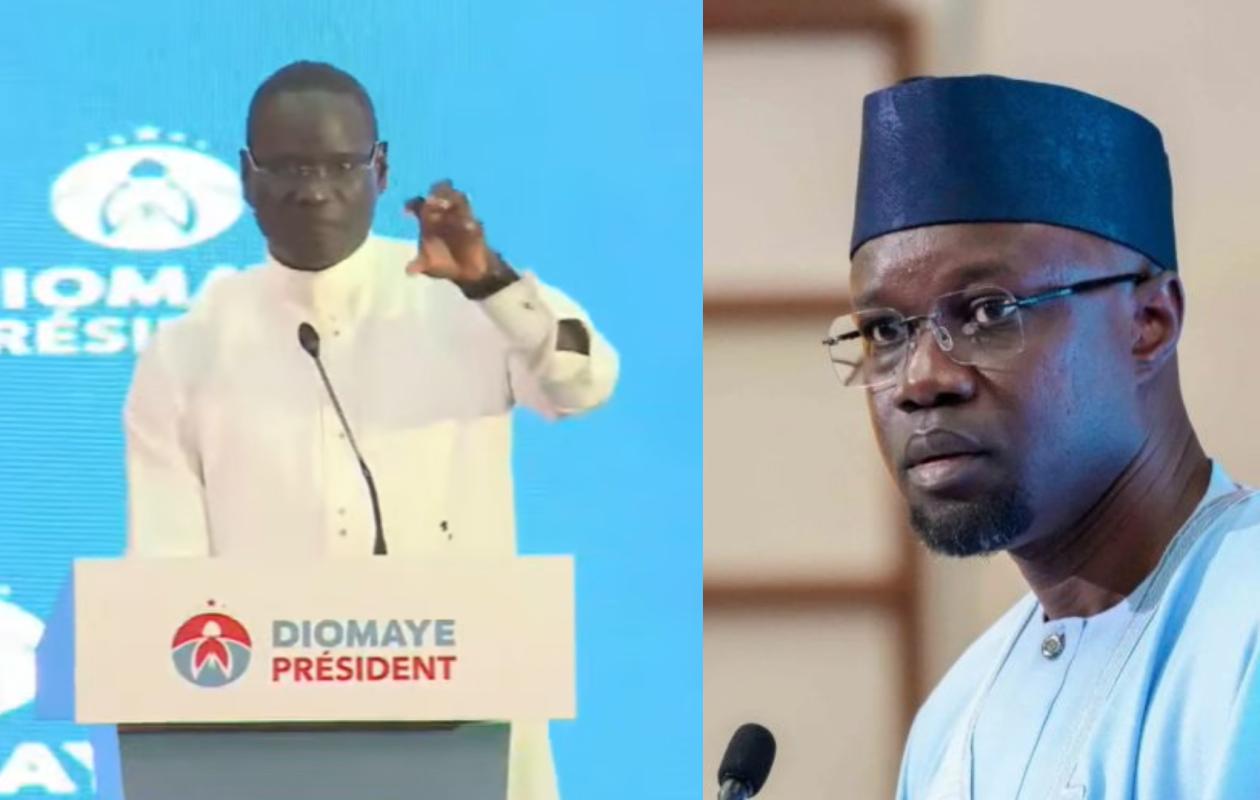
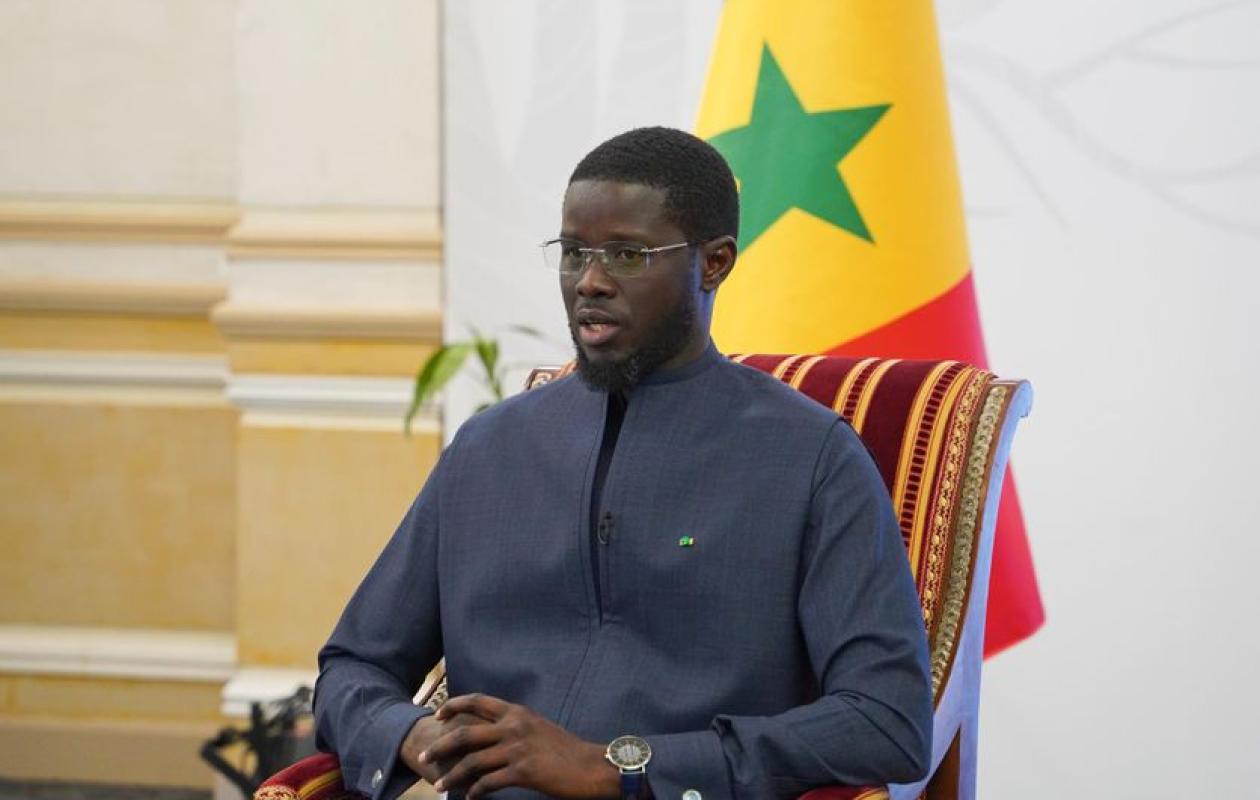
At the last Invest in Senegal Forum, President Bassirou Diomaye Faye also publicly stated that improving the business climate was essential to attract partners from all backgrounds, promote the sharing of expertise and build mutually beneficial cooperation.
However, the Softcare affair not only damages the company's brand image; it also appears to be in clear contradiction with the government's policy of attracting foreign investment. Even before the publication of the investigation's findings, statements from certain public officials contributed to a media condemnation based on unverified information, a practice that cannot be considered acceptable.
If investors from Europe, North America, or the Asia-Pacific region were to lose confidence and withdraw from investing in Senegal, the consequences would be severe: a slowdown in industrialization, a decline in tax revenues, and a worsening of the budget and trade deficits. The country would then risk becoming trapped in a more restrictive, less innovative, and less dynamic economic environment, at the very moment when, just a few months ago, the International Monetary Fund (IMF) emphasized that Senegal's fiscal situation is under pressure, that public debt has increased sharply, and that debt sustainability is threatened.
This is by no means an invitation to the authorities to neglect consumer health or to prioritize the interests of businesses exclusively. Protecting public health remains an absolute priority. However, alongside this legitimate requirement, it is equally necessary to create and maintain a fair and predictable business environment for companies that genuinely contribute to local development, in order to prevent such situations from recurring.
Moustapha Ndiaye, Journalist
















Commentaires (3)
Participer à la Discussion
Règles de la communauté :
💡 Astuce : Utilisez des emojis depuis votre téléphone ou le module emoji ci-dessous. Cliquez sur GIF pour ajouter un GIF animé. Collez un lien X/Twitter, TikTok ou Instagram pour l'afficher automatiquement.