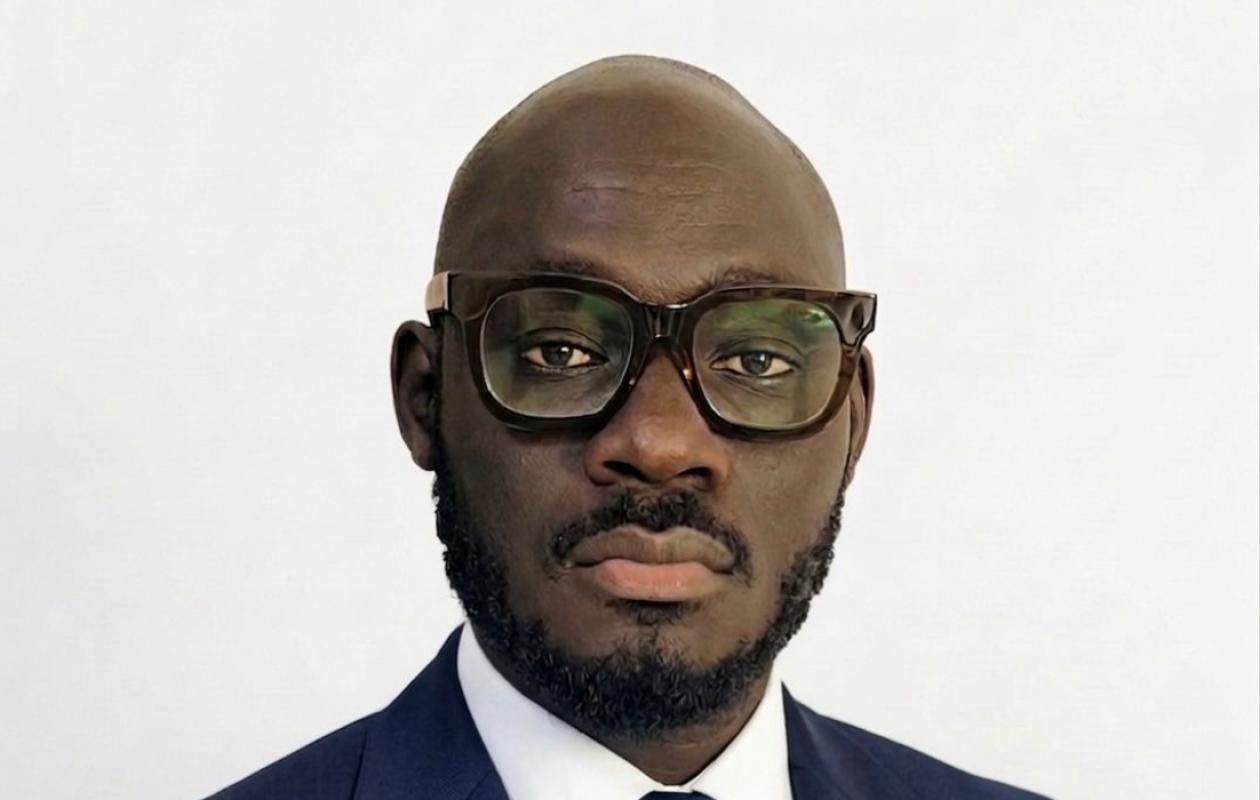
Entre haute trahison et secrétariat général des Nations Unies : quel choix pour nos consciences ?( Papa Ibrahima Diassé)
The destinies of nations are sometimes forged in the shadows of chance encounters, where ambition clashes with opportunity. For Senegal, everything crystallized around a behind-the-scenes mediation by Farba Ngom, the "trigger" that sealed the reconciliation between Abdoulaye Wade and Macky Sall. From this political chemistry was born a pact of devotion that was believed to be unbreakable. At that precise moment, Sall was to Wade what Abdou Diouf was to Senghor in political metaphor: the presumptive heir, the chosen successor, eclipsing even the most powerful figures of the time, including the influential Minister of Finance, Babacar Ba. From the ministerial appointment to the Prime Minister's office, from leading the victorious 2007 campaign to the presidency of the National Assembly, the rise was meteoric. But in the corridors of power, appetite grows with experience. Macky Sall has finally committed the act of sacrilege, the one which, in other places, leads to the guillotine those who hold temporal power with feet of clay: daring to covet the master's chair.
Having emerged victorious from this fratricidal duel, he reigned for twelve years. Twelve years of governance exercised with an iron fist, often from the seclusion of his Mermoz apartments, surrounded by a clan whose hegemony had ultimately sown unspeakable sadness in the hearts of many compatriots. Today, the man no longer looks at Dakar; he contemplates the draped bubble of the five continents! Aspiring to lead nations from the green marble podium of the United Nations, he now wants to travel with complete freedom and legitimacy. But can one claim to mend the world's wounds when one leaves behind a homeland in tatters?
Must we appeal to the tribunal of our consciences, or bring them to the stand for a single, unified plea: Is Macky Sall morally justified in mending a fractured world after failing to manage a country plunged into indescribable chaos? The contrast is striking, not to say unbearable. At the very moment when Senegal was ablaze, when the streets reeked of gunpowder and suffering, the former head of state already seemed to be settling into the tranquility of Marrakech's palm groves, surrounded by gilded splendor, far from the torment of a people he had sworn to protect.
Isn't amnesty the epilepsy of collective memory?
What secrets lie hidden in these mysteries that so starkly challenge our sense of justice? Was this amnesty, this "poisoned gift," merely a cosmetic prelude to a series of confrontations? They try to present the world with a "clean" image, a man of peace, while the heels of his shoes remain stained with the ochre of blood that no law of oblivion can erase. For beyond diplomatic strategies, certain questions remain, haunting and chilling:
What will our eighty dead say?
What camp were they on, if not that of sacrificed youth?
What was the value of their struggle in the face of the implacable reason of state?
What will their memory be worth tomorrow if it is traded for a prestigious international position?
Global legitimacy cannot be built on the ruins of shattered national unity. The United Nations Secretariat is the temple of peace; it cannot become a refuge for those who have allowed their own peace to crumble. Before aspiring to world leadership, one must answer to the silent History of the talking graves!












Commentaires (8)
Participer à la Discussion
Règles de la communauté :
💡 Astuce : Utilisez des emojis depuis votre téléphone ou le module emoji ci-dessous. Cliquez sur GIF pour ajouter un GIF animé. Collez un lien X/Twitter, TikTok ou Instagram pour l'afficher automatiquement.