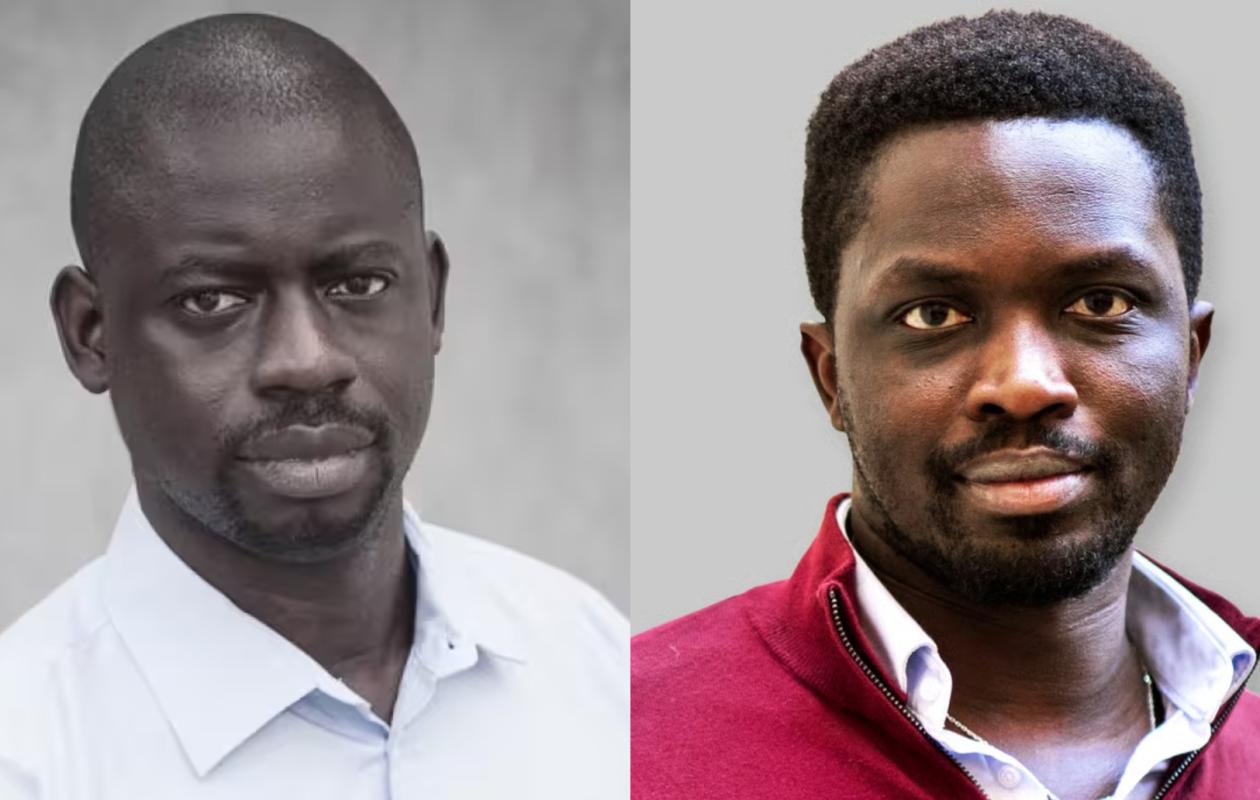
Felwin–Mbougar : Le temps des regrets ? (Par ABC)
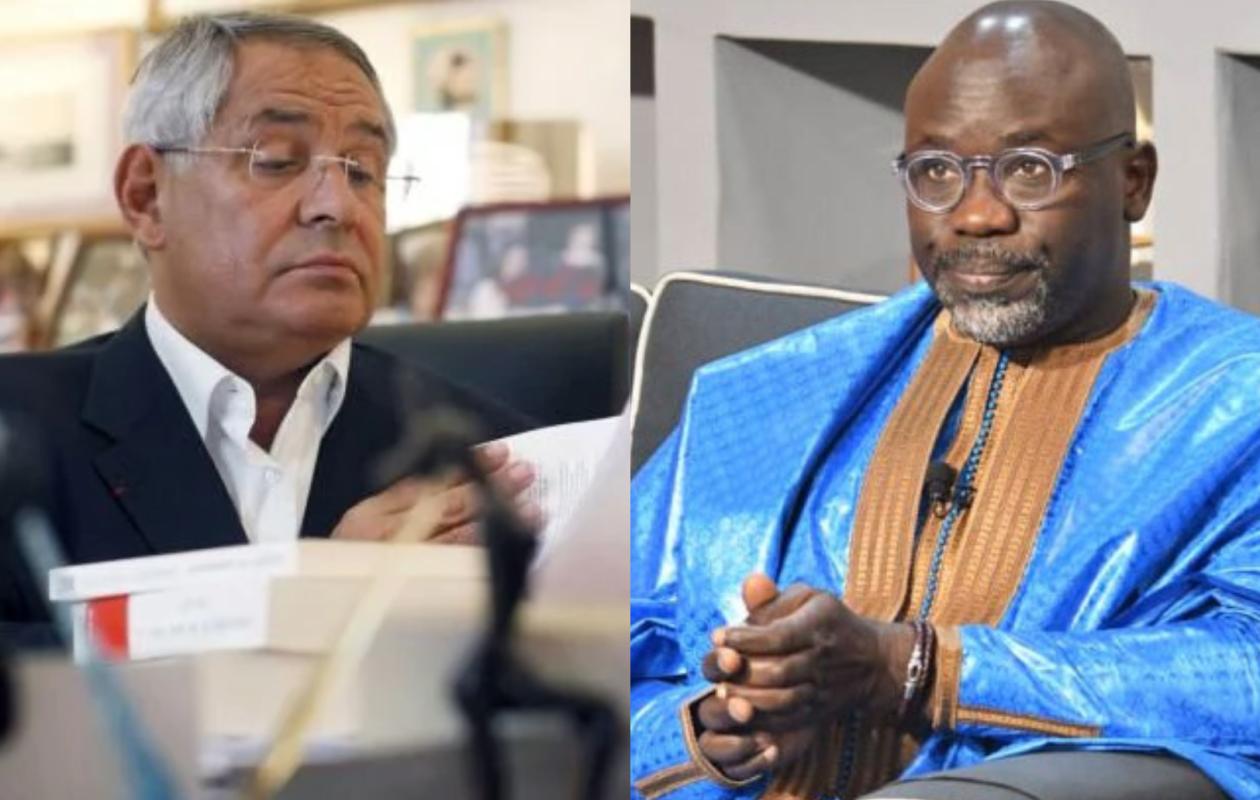
What did they spare Macky Sall to make Pastef's rise to power possible? For years, Goncourt Prize winner Mohamed Mbougar Sarr and renowned economist and professor Felwine Sarr painted an uncompromising portrait of Macky Sall, depicting him as an autocrat, insensitive to freedoms and quick to repress his people. Their words, amplified by their intellectual and media presence, were not insignificant. They helped to establish in the public mind the idea of an illegitimate, morally discredited regime that absolutely had to be replaced. This critical, sometimes radical, undertaking served as a sounding board for a political project embodied by Ousmane Sonko.
The observation is that we've moved from militant enthusiasm to clear-eyed disillusionment. Two years after the change of power, the tone has shifted. In his recent statement, Mohamed Mbougar Sarr speaks of a government where "everything seems mediocre and lacking in stature," evokes a "poor theater" at the highest levels of the state, and fears a "virtually wasted" term, mired "in the mire of egos." Strong words that reflect a profound disillusionment. Felwine Sarr, for his part, admits that the partnership he "hoped would work has shown its limitations." These statements are not insignificant. They mark a symbolic break: that of intellectuals who had played a significant role in the cultural and moral battle preceding the change of power, and who now seem to acknowledge the gap between promise and reality.
The issue isn't about contesting their right to criticize. It's legitimate and even beneficial. The debate is rather one of responsibility. When intellectual figures publicly commit themselves, mobilize their credibility, and influence an entire generation in the name of a radical break with the past, can they, two years later, simply accept a bitter assessment? Have they sufficiently examined the soundness of the project they championed? Have they considered the risks of a rhetoric of radical rupture without the guarantee of expertise and experience? Because today, what they denounce—the improvisation, the lack of vision, the ego clashes—was evident in the very structure of the movement they supported.
Many remember that during the most tense periods in national political life, certain acts of violence and excesses attributed to Pastef supporters did not elicit the same vigorous criticism from these respected voices as they did toward the outgoing regime. This discrepancy gave the impression of selective indignation, of a more militant than balanced stance. The long and scrutinized silence observed since the party came to power had already raised questions and generated commentary. Was it prudence? Embarrassment? Disappointment? Today, the belated public pronouncements seem more like disenchantment than self-criticism.
The intellectual is not an ordinary political actor. Their voice shapes the collective imagination. It guides consciences. It can legitimize a break with the past or consolidate stability. Engagement implies a duty of constant scrutiny toward both the power being criticized and the power being supported. If the time for regrets has come, it calls for more than an aesthetic or moral assessment. It demands a clear-eyed examination: how could a promise of transformation have so quickly led to a crisis of leadership and governance? History will judge those who governed. But it will also question those who, through conviction or activism, helped shape collective hope.
Alioune Badara Coulibaly
APR Spokesperson










Commentaires (28)
Participer à la Discussion
Règles de la communauté :
💡 Astuce : Utilisez des emojis depuis votre téléphone ou le module emoji ci-dessous. Cliquez sur GIF pour ajouter un GIF animé. Collez un lien X/Twitter, TikTok ou Instagram pour l'afficher automatiquement.