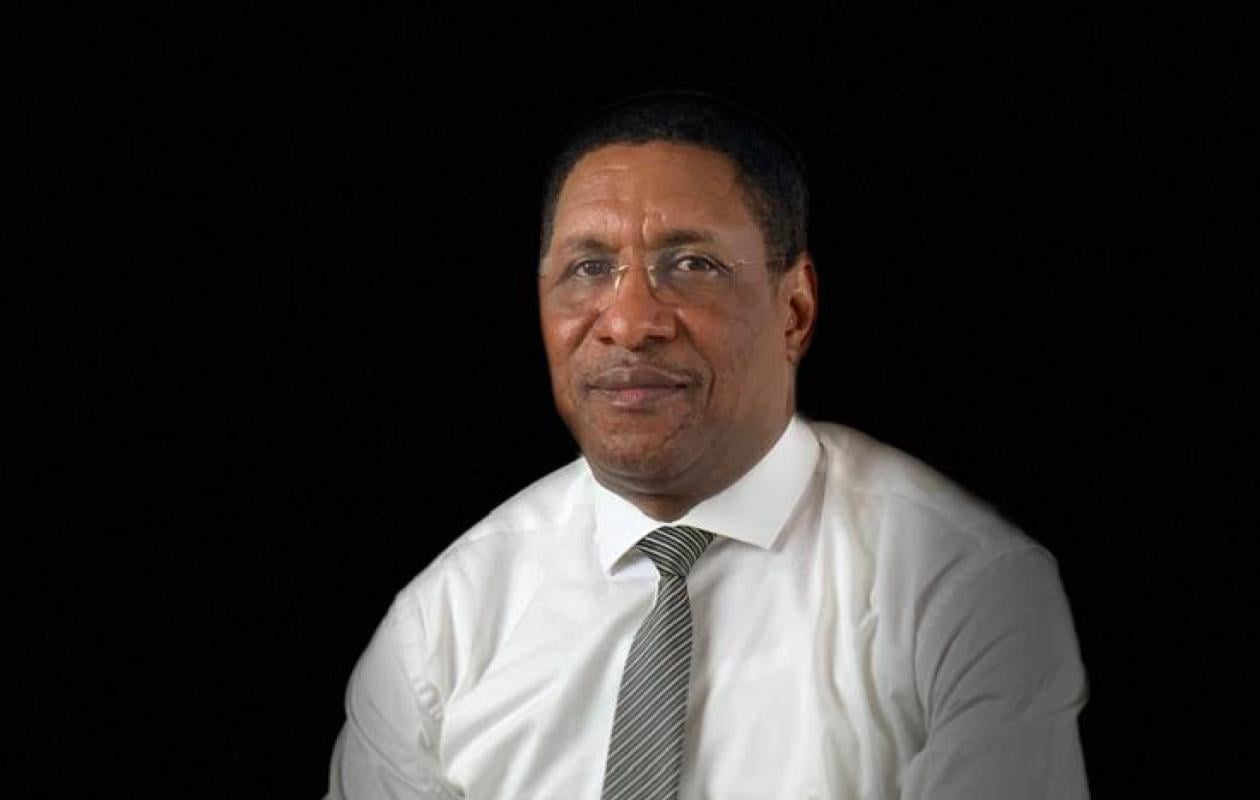
FMI, dette, restructuration : l’Afrique doit cesser de tendre la main et recommencer à produire (Par Moustapha BA)
We need to stop beating around the bush.
The debate on the IMF, on debt, and on restructuring is not a debate reserved for a few experts in suits, confined to Excel spreadsheets, budget ratios, and diplomatic communiqués. This debate touches on the essential. It touches on our freedom. It touches on our dignity. It touches on Africa's capacity to decide its own future.
The real question is brutal, but it must be asked: what is the point of political independence if, at the first budgetary shock, the first cash flow problem, the first runaway debt, an African country finds itself forced to negotiate its economic survival with the International Monetary Fund?
This can be dressed up with elegant words: “support program,” “macroeconomic stabilization,” “adjustment,” “structural reforms,” “debt sustainability.” But behind these polished formulas, the reality is simpler: when a country can no longer stand on its own two feet without external validation, when it must align its national priorities with hastily negotiated conditionalities, when it must ask for time to repay what it can no longer bear, that country is not sovereign. It has a flag, an anthem, a government, an administration. But its economic freedom is under scrutiny.
And that is precisely where the heart of the African problem lies.
Africa has achieved political independence. It has not yet achieved economic independence everywhere. It sits in international organizations, it votes, it signs agreements, it negotiates, it speaks on behalf of its people. But in reality, a large part of its economies remains trapped in a cycle of dependency: raw materials are exported, processed goods are imported, what others produce is consumed, debt is incurred to survive, and then the IMF is called upon when the system collapses.
That's the truth. It's harsh, but it's there.
The case of Senegal today gives this debate a particular intensity. Because it shows, in an almost pedagogical way, what happens when a country considered stable, respected, and promising finds itself confronted with deep budgetary tensions, a heavy debt, questionable public figures, worried partners, wary markets, and a difficult dialogue with the IMF.
But let's be clear: Senegal is not an isolated case. It's a mirror. What's happening in Dakar speaks to the entire continent. It speaks to Ghana, Zambia, Ethiopia, Kenya, Ivory Coast, Congo, Nigeria, Cameroon, Benin, Chad, and so many other countries that live with the same contradiction: vast lands, abundant resources, a powerful youth, enormous needs, and yet permanent financial vulnerability.
The real issue, therefore, is not whether the IMF is “good” or “bad.” The real issue is more serious: why does Africa continue to produce wealth without generating its own power?
The IMF doesn't go into strong countries; it goes into countries where the model has already failed.
Let's be frank. The IMF doesn't arrive in a country by chance. It doesn't insert itself into a sound, balanced, productive economy, capable of financing its choices, repaying its debts, and keeping its accounts. The IMF enters when the country is already weakened. It arrives when reserves are dwindling, when the deficit becomes too large, when the debt is a cause for concern, when creditors demand guarantees, when markets close their doors, and when confidence wanes.
In other words, the IMF is not the primary cause of the crisis. It is a sign that the crisis is already here.
But this observation should not lead us to exonerate him politically. For even if he is not always the source of the problem, he almost always becomes a central player in the imposed solution. And this solution has a price: an economic price, a social price, a political price.
Africa lacks neither resources, nor manpower, nor intelligence. What it still lacks is the collective decision to stop living above its riches by letting them leave unprocessed only to return processed at exorbitant prices. We cannot continue to celebrate our political independence while constantly asking permission to breathe from those who finance our deficits. This contradiction must end.
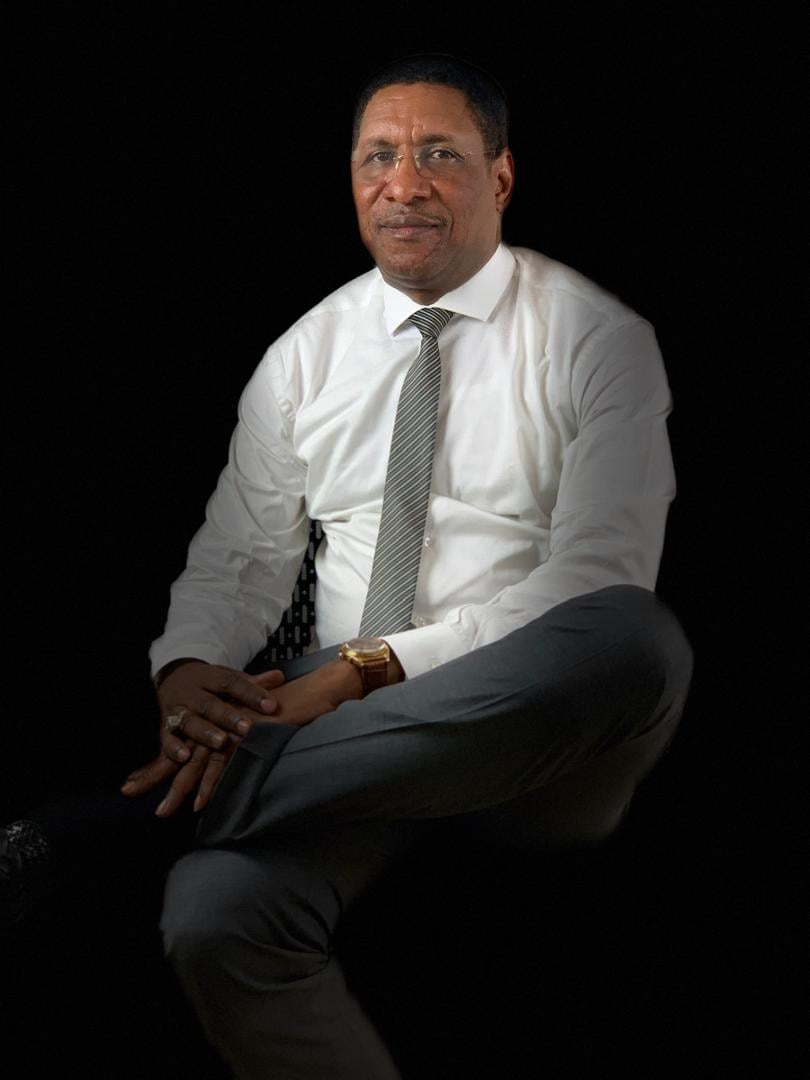
Moustapha BA
Honorary President of the NGO-OCD International Federalitude-Switzerland
President of International Aid
Email: contact@aide.international







Commentaires (7)
Participer à la Discussion
Règles de la communauté
💡 Astuce : Utilisez des emojis depuis votre téléphone ou le module emoji ci-dessous. Cliquez sur GIF pour ajouter un GIF animé. Collez un lien X/Twitter, TikTok ou Instagram pour l'afficher automatiquement.
Se connecter
Commentez avec votre profil, votre photo, et soyez averti des réponses.