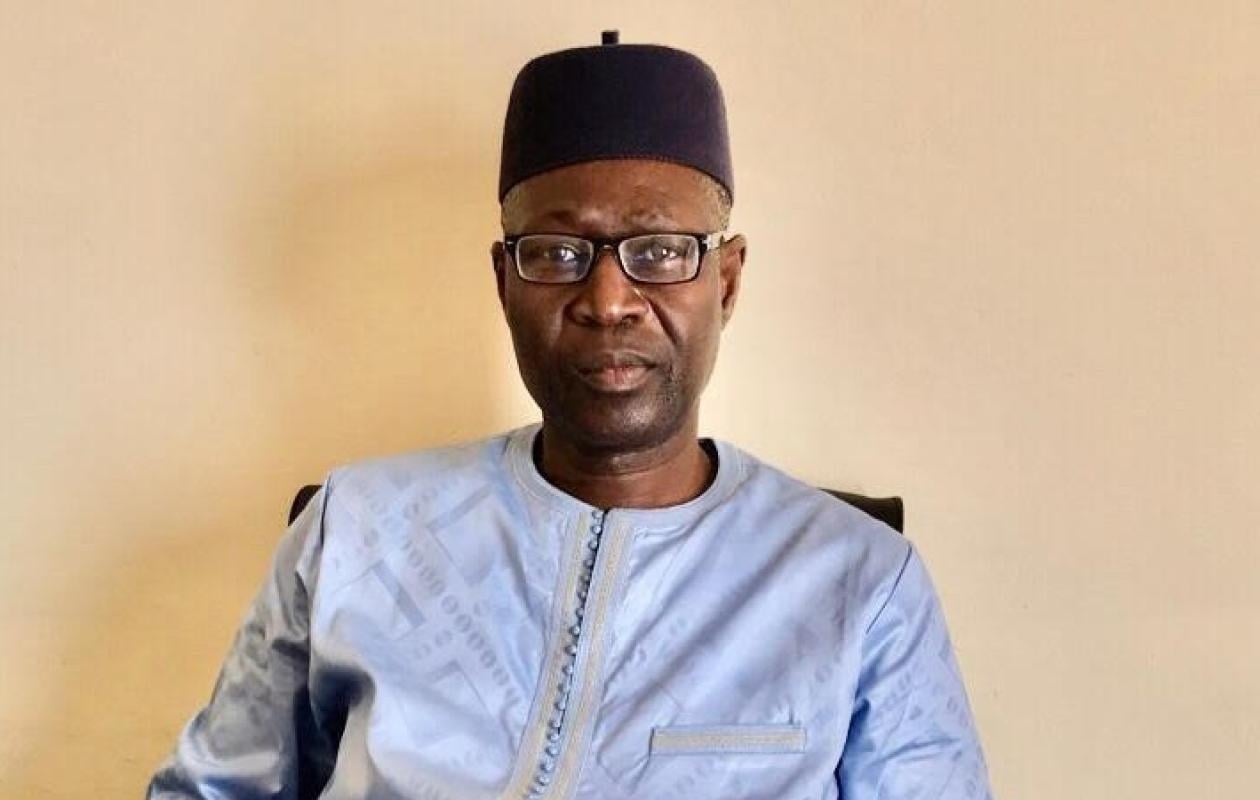
LE BURKINA FASO DÉTRUIT TROIS MYTHES SUR LE FRANC CFA (Par Pr Amath Ndiaye FASEG-UCAD)
The operation carried out by Burkina Faso on the WAEMU-Securities regional market on February 11, 2026, constitutes much more than a simple fundraising effort. With nearly 148 billion CFA francs in bids for a need of approximately 60 billion CFA francs, this largely oversubscribed issuance sheds essential light on the financial realities of the WAEMU and on several misconceptions that still dominate the African debate on the CFA franc.
Despite its abysmal diplomatic relations with France and a deliberate geopolitical repositioning—including increasingly close collaboration with Russia on military, political, and economic fronts—Burkina Faso continues to access regional funding under normal conditions. This factual reality warrants a dispassionate analysis.
First myth: France controls the monetary and financial decisions of the WAEMU
The Burkina Faso case clearly demonstrates that France does not dictate the monetary and financial policies of the Union. If it did, it would be difficult to explain why a country experiencing significant diplomatic tensions with Paris continues to channel regional savings through UMOA-Titres. The functioning of the regional market relies on institutional rules, economic mechanisms, and investor confidence, not on French political decisions.
Second myth: monetary sovereignty is limited to possessing a national currency
The experience of the West African Economic and Monetary Union (WAEMU) demonstrates that monetary sovereignty can be collective. By sharing a common currency and a credible institutional framework, member states benefit from macroeconomic stability and access to a regional financial market capable of mobilizing significant resources. Sovereignty is not measured solely by the existence of a national currency, but also by the effective capacity to finance one's economy within a stable and credible framework.
Third myth: the CFA franc prevents the endogenous financing of African economies.
The success of this bond issue, on the contrary, confirms the effectiveness of the financial market built around the CFA franc. For several years, UMOA-Titres has been transforming regional savings—primarily held by banks, insurance companies, and institutional investors—into financing for member states. This mechanism constitutes a form of endogenous African financing, partially reducing dependence on international markets.
Ultimately, this operation serves as a reminder that the CFA franc is not merely a historical legacy, often caricatured. Today, it forms the basis of an integrated regional financial market, unique in Africa, structured primarily around UMOA-Titres and the Regional Stock Exchange (BRVM). This mechanism allows for the mobilization of regional savings to finance states and economies, even in politically sensitive contexts or those marked by geopolitical realignments. The Burkinabe example thus demonstrates that monetary sovereignty in Africa can be collective, pragmatic, and geared towards real economic efficiency—that is, the ability to access financing—rather than towards symbols or ideological posturing.
Professor Amath Ndiaye
FASEG-UCAD





















Commentaires (7)
Participer à la Discussion
Règles de la communauté :
💡 Astuce : Utilisez des emojis depuis votre téléphone ou le module emoji ci-dessous. Cliquez sur GIF pour ajouter un GIF animé. Collez un lien X/Twitter, TikTok ou Instagram pour l'afficher automatiquement.