Le référendum jusqu'au bout (Par Abdoulaye Dieng)
The current debates surrounding the revision of the Constitution go far beyond the discussion of a few articles or a simple parliamentary procedure. They invite us to a deeper reflection on what a Constitution is and on the bond that unites a people to its State. A Constitution is not simply a legal text. It constitutes the founding pact of a nation, the one that establishes the rules of living together, organizes public powers, protects freedoms, and sets the balance between institutions. Above all, it is the expression of a consensus forged by a people at a given moment in its history in order to ensure its stability, its unity, and its future.
Great constitutions are almost always the product of a particular national history. The United States Constitution was born from the War of Independence and the compromise that united several states around a common destiny. The French Constitution of the Fifth Republic emerged from the institutional crisis of 1958 and the desire to restore the stability of the state. In each case, these texts reflect the choices of a people confronted with their own history. A constitution, therefore, is not intended to freeze a nation in time. It must evolve with the people it governs in order to remain in harmony with their history, their realities, their aspirations, and their level of democratic maturity.
Senegal is no exception to this logic. Having inherited an institutional model largely inspired by France, our country, like any democracy, is called upon to progressively adapt its institutions to its history, its realities, and the maturity of its democratic life. It is therefore natural that our institutional organization continues to evolve in order to better meet the expectations of the Senegalese people.
It was precisely in this spirit that the political project championed by PASTEF proposed a reform of our institutions. These commitments did not emerge in the immediate aftermath of the presidential election. They are the fruit of a long process of dialogue and consultation involving the nation's key stakeholders, notably through the National Consultations, the work on institutional reforms, the National Justice Conference, and the National Dialogue. They were debated, explained, and defended for many years before being submitted to a vote. The Senegalese people then made a clear choice by electing Bassirou Diomaye Faye in the first round of the presidential election, and subsequently by granting PASTEF an overwhelming majority in the National Assembly. Thus, it was not merely a political majority that emerged from the ballot box, but a genuine project for institutional transformation with undeniable democratic legitimacy.
Following this term, the President of the Republic initiated the constitutional revision process. The Constitutional Council exercised its oversight, and then the National Assembly adopted the text by a majority well above the three-fifths threshold required by the Constitution. Everything then seemed to be in place for this institutional sequence to conclude naturally with the promulgation of the revision, in accordance with the proper functioning of the institutions and the democratically expressed will of the people.
Beyond the political debates, it is essential to calmly examine the content of this constitutional revision. A careful reading reveals that it does not represent a fundamental loss for any of the Republic's institutions. On the contrary, it aims to better balance powers by reinforcing the separation of powers between the executive, legislative, and judicial branches—an essential principle of any democratic state. Parliament sees its oversight responsibilities strengthened, the judiciary benefits from institutional clarifications, and the executive retains the prerogatives essential to the exercise of its duties. The President of the Republic, in particular, is not deprived of any prerogative essential to the exercise of his functions. On the contrary, by remaining true to the commitments made to the Senegalese people, he stands to gain politically by reinforcing his image as a head of state who respects his word, is faithful to the mandate entrusted to him, and is committed to strengthening our democratic institutions.
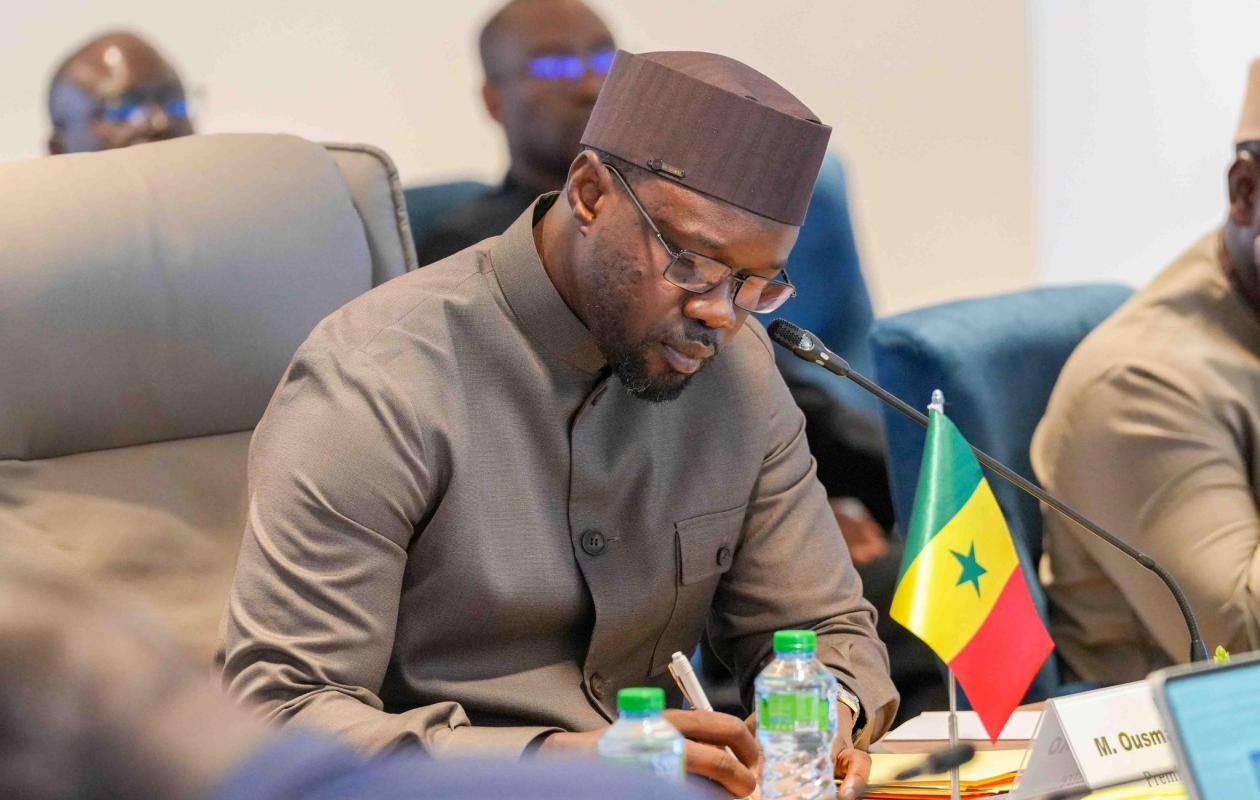
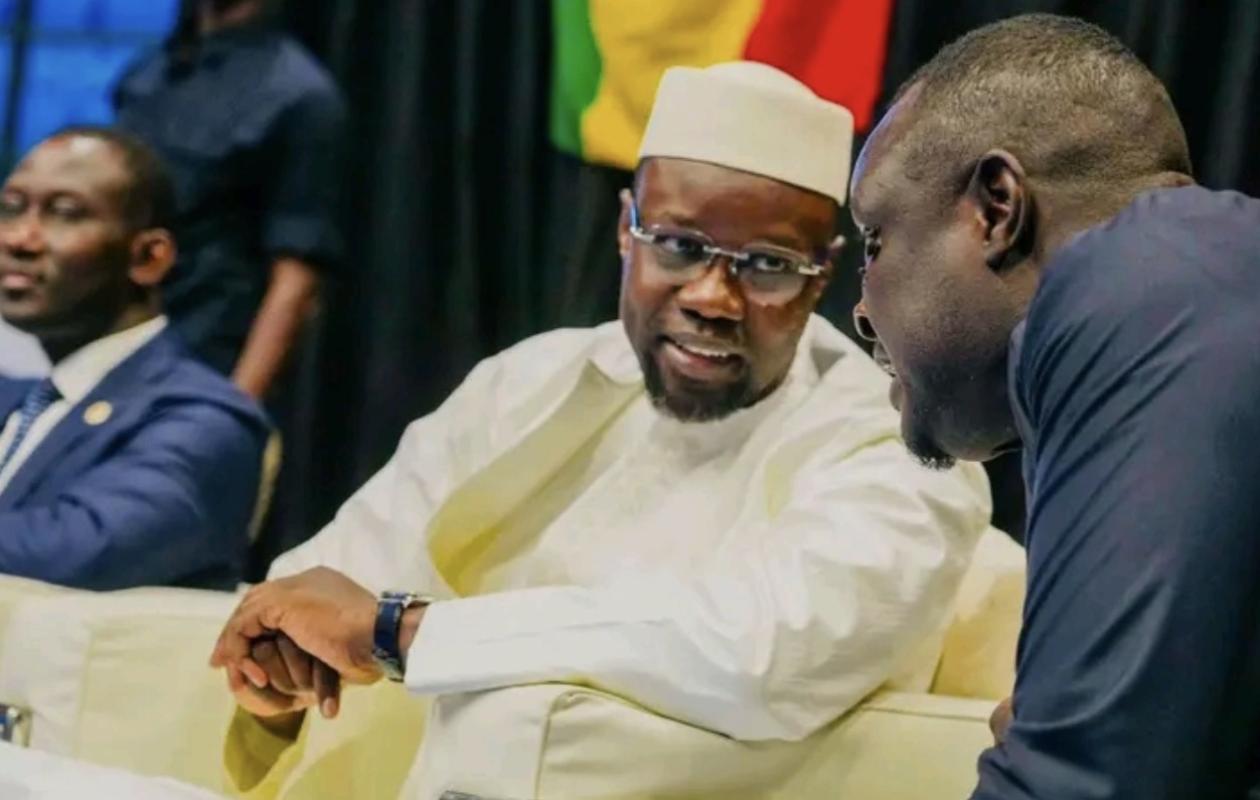
In this same sequence, another observation deserves to be highlighted. While the President of the Republic has gradually shifted his position on several aspects of the reform, Ousmane Sonko, President of the National Assembly, has remained faithful to the institutional commitments championed by his party, PASTEF, for over a decade. Whether one shares this political orientation or not, this consistency partly explains why a significant segment of public opinion continues to see him as the one who has remained most faithful to the project presented to the Senegalese people.
The President of the Republic has finally chosen to submit this constitutional revision to a referendum. This choice can be interpreted as a desire to ease political tensions, but also as a response to demands from a segment of the opposition and civil society, who wanted the people to be directly consulted on such a significant reform. With this decision now made, the debate should no longer focus on the procedure, but on the organization of this popular consultation. Legal controversies, political calculations, and potential deadlocks should no longer distract from the essential point: allowing the people to freely express their views on the evolution of their Constitution.
This responsibility falls squarely within the mission entrusted to the President of the Republic by the Constitution. As guarantor of the Constitution and the proper functioning of institutions, it is now his duty to convene the electorate as soon as possible so that the process he himself has chosen can reach its conclusion. This will not simply be a matter of applying a constitutional procedure; it will be above all a matter of demonstrating consistency, honoring commitments, and allowing popular sovereignty to be fully expressed.
The Senegalese people have already made an initial choice by bringing a reform project to power. By opting for a referendum, the President of the Republic has himself decided that the final decision will now rest with the people. Therefore, the question is no longer whether this consultation should be held, but rather how to ensure it takes place as soon as possible. Popular sovereignty cannot be invoked as a solution to a political disagreement only to be subsequently delayed for tactical reasons.
Our democracy will emerge stronger if everyone fully assumes their responsibilities. The institutions have played their part. It is now up to the President of the Republic to allow the people to exercise theirs. Only then can this institutional process be definitively concluded peacefully, and can Senegal dedicate all its energy to the economic, social, and security challenges that concern its citizens daily.











Commentaires (0)
Participer à la Discussion
Règles de la communauté
💡 Astuce : Utilisez des emojis depuis votre téléphone ou le module emoji ci-dessous. Cliquez sur GIF pour ajouter un GIF animé. Collez un lien X/Twitter, TikTok ou Instagram pour l'afficher automatiquement.
Se connecter
Commentez avec votre profil, votre photo, et soyez averti des réponses.