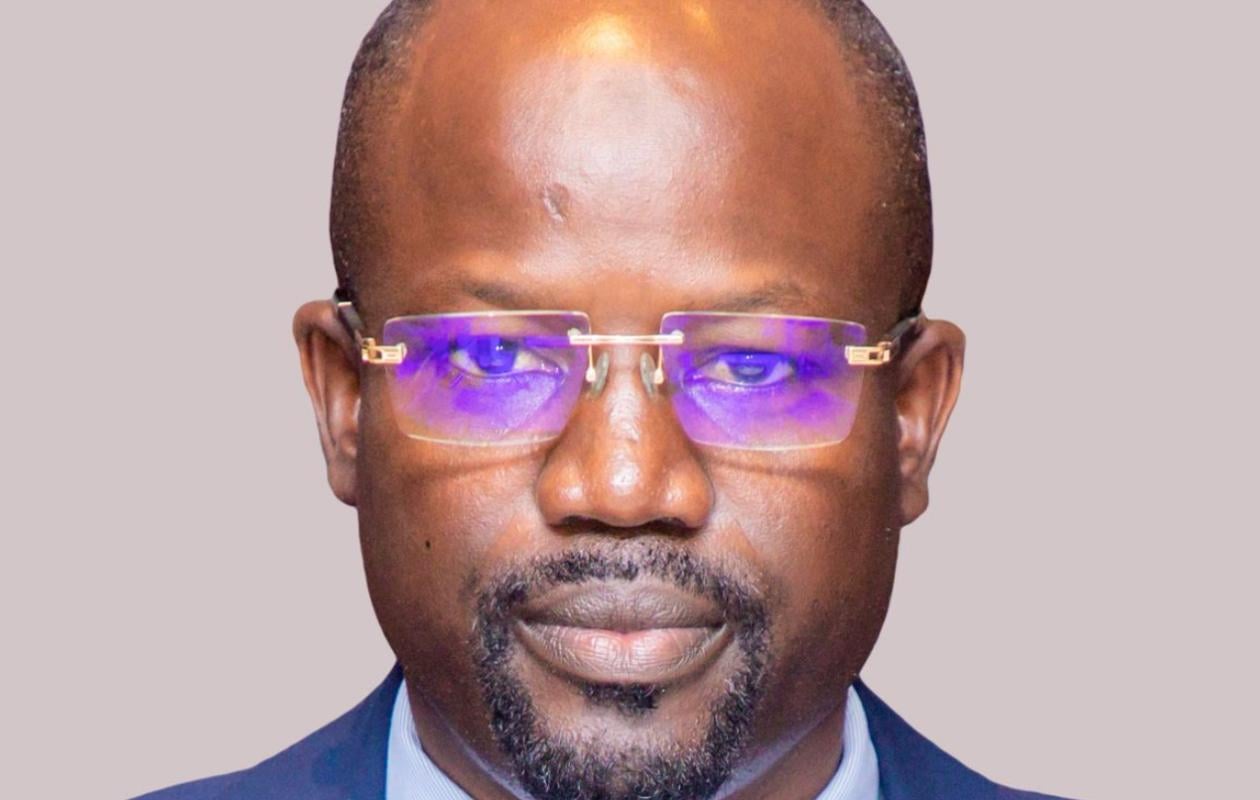
Ousmane SONKO : le gardien d’une révolution civique et le visage d’une souveraineté assumée [Par Matar Sene]
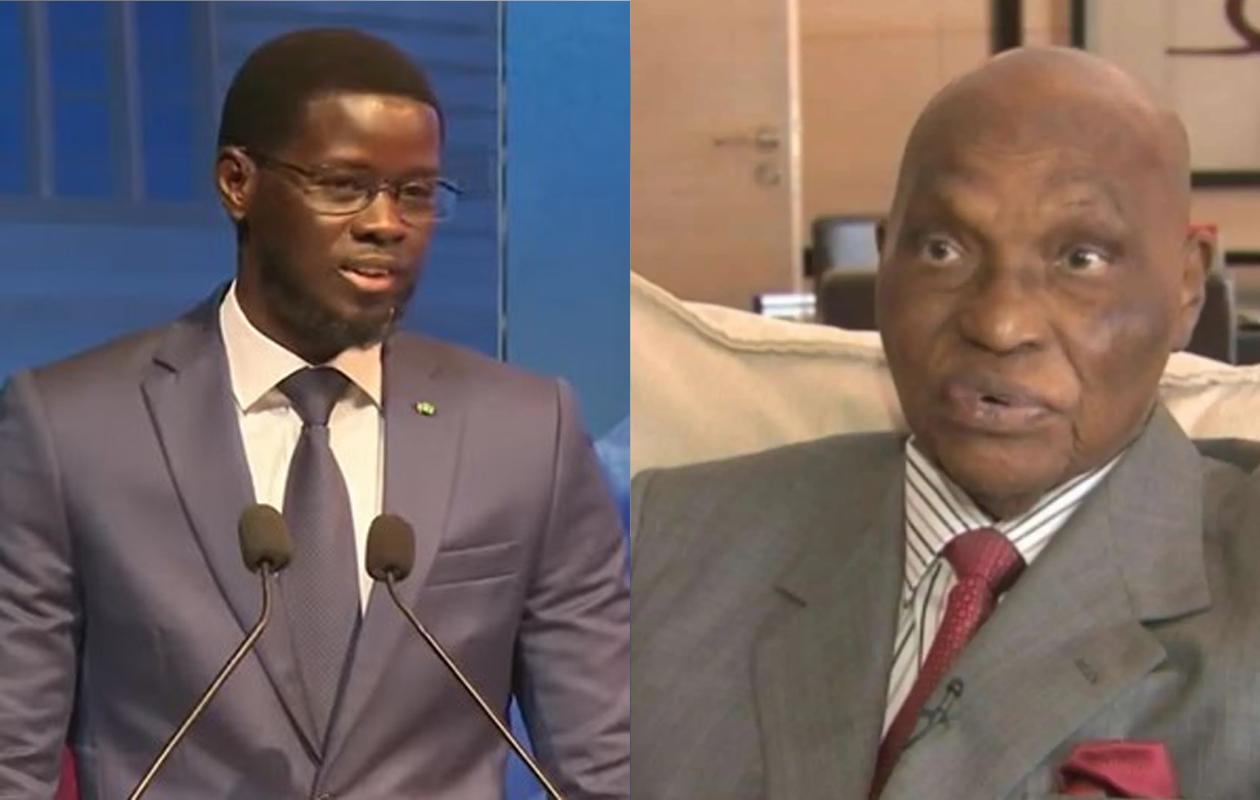
For a large segment of Senegalese, West African, and pan-African public opinion, Ousmane Sonko is no longer simply a long-standing opposition figure who became head of government. He is now one of the names around which the African political imagination of sovereignty is being reshaped. President of PASTEF – The Patriots, Prime Minister of Senegal since April 2, 2024, and a central figure in the sequence that propelled Bassirou Diomaye Diakhar Faye to the highest office in the first round, and subsequently led PASTEF to a resounding majority of 130 seats in parliament, Sonko has become, for many, the point of convergence between the hoped-for break with the past and the organized break with the past.
Born in Thiès, having grown up in Casamance, trained at the Gaston Berger University of Saint-Louis before joining the National School of Administration (ENA) of Senegal, Taxes and Domains section, he brings together in his career the territory, the law, the Administration and the State.
We must consider what this means. Few African leaders have succeeded, in such a short time, in transforming militant energy, a popular demand for dignity, and a challenge to the status quo into a power structure, a governmental method, and a strategic direction. This is what makes Sonko intriguing, fascinating, or unsettling. For many, he remains a political enigma: how could such a direct man convert hardship into legitimacy, legitimacy into victory, and then victory into state capacity?
This rise to power is no accident. It stems from a long process of ideological and organizational work. PASTEF, founded in January 2014 by Ousmane Sonko, along with pioneers and other leaders, civil servants, union members, and patriotic activists, was built on a clear set of principles: sovereignty, justice, accountability, structural transformation, and a rejection of established dependencies. As for Bassirou Diomaye Faye, he was one of the most important strategic partners in this endeavor, before becoming the victorious candidate whom Sonko supported, championed, and politically structured.
But Sonko's true strength lies in another dimension: he didn't just conquer; he began to set a course. Very early on, he raised the issue of foreign military bases on Senegalese soil, questioning their compatibility with national sovereignty. This stance was then clearly adopted at the highest levels of government and subsequently implemented, culminating in the final withdrawal of the French military presence in 2025. Similarly, regarding strategic contracts, he chose to frame the debate around fairness, transparency, and the national interest, particularly in the oil, gas, and mining sectors.
This stance is not merely a symbolic gesture. It is part of a broader project: to put Senegal back at the center of its own decision-making. It is within this framework that we must understand the alignment of public action with the Senegal 2050 framework and the 2025-2034 Master Plan, the first major operational implementation of this vision. Here, Sonko is not simply making empty promises of a break with the past; he is attempting to embed that break within a timeline, a method, a funding structure, and a disciplined, chronological execution.
The results already achieved reinforce this image of an impactful leader. The government initiated price reductions on several basic consumer goods in June 2024, followed by further price cuts on certain commodities. The price of ordinary rice, for example, was lowered in Dakar in April 2025. In December 2025, the prices of premium gasoline and diesel also decreased. Taken together, these signals have strengthened the perception of a government seeking to directly influence household budgets, transportation costs, economic activity, and household expenses.
On the production front, this proactive approach is equally evident. The authorities have documented substantial savings on fertilizers, an increase in the volumes made available to producers, a historic effort in agricultural financing, and an acceleration of food sovereignty measures. The peanut harvest, the provision of urea, and the raised target for SONACOS purchases have reinforced the image of a government determined to put agriculture back at the heart of national economic stability.
It is also important to examine how Sonko links sovereignty and financing. Under this political agenda, the Senegalese state has increased its public offerings of savings as instruments of endogenous financing. The EPAs of 2025 and the first quarter of 2026 demonstrated a real capacity to mobilize national, sub-regional, and diaspora savings around the transformation effort. This dynamic reinforces the image of a political camp that not only seeks to denounce dependency but also to build new room for maneuver.
The efficient implementation of the DIOMAYE plan for Casamance has facilitated the return of many people to their native villages with support. The recent agreements with various transport and teachers' unions perfectly illustrate the Government's commitment to pacifying and improving the workplace. The increase in the National Universal Service (RNU) and the resumption of family allowance payments, despite a difficult economic climate, amply demonstrate the State's commitment to placing social welfare at the heart of public policy.
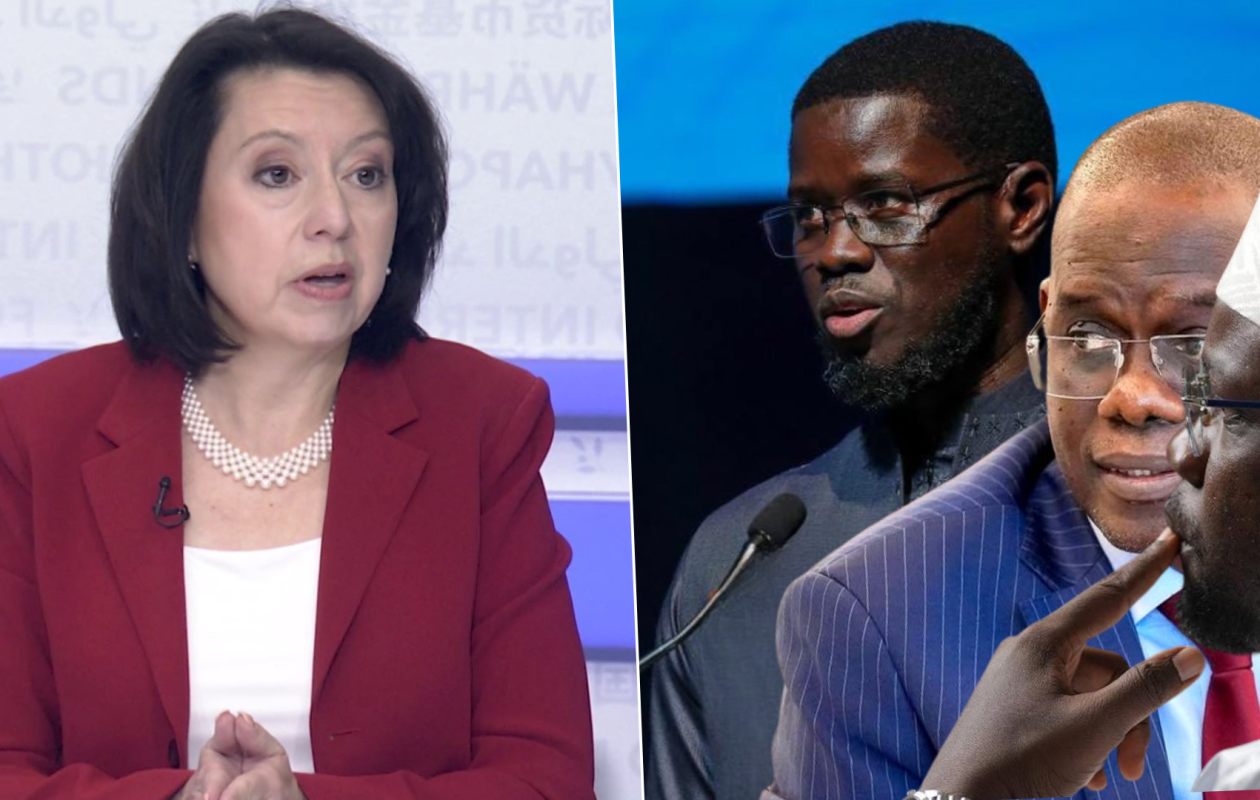
Sonko's continental stature was further solidified at the Dakar conference on April 9, 2026, where, alongside Pascal Boniface, he addressed the themes of autonomy, patriotism, and the multipolar world. His speech reinforced an already established image: that of an African leader who speaks openly about sovereignty, responsibility, the importance of exemplary leadership, and structural transformation. His inclusion among the twenty portraits in the book *Masters of the World* gave this event added resonance.
To his supporters, he is the Guide of the Revolution. In his own words, he defined himself as the Guardian of this revolution. This dual interpretation—guide to his people, guardian in his own formulation—clearly reveals what is at stake around him: a political function that transcends governmental technicalities to touch upon the collective psychology of a people, their pride, and their desire for renewal.
By 2030, if the current momentum is maintained, Sonko could emerge as the man who has established a Senegalese doctrine of effective sovereignty: a sovereignty that goes beyond mere symbols, protecting purchasing power, supporting production, securing public finances, and reorganizing the state. By 2035, in line with the Master Plan, his legacy could be measured by the depth of the productive, industrial, agricultural, logistical, and digital transformation. And by 2050, if the promise is fulfilled, his name could remain associated with this simple yet rare achievement: having helped to rebuild Senegal, making it master of its resources, more equitable in their distribution, and more ambitious in its African and global standing.
Without conflating eras or contexts, some of his supporters already see in his stance a contemporary echo of the great African figures who linked dignity, sovereignty, and the awakening of consciences. This parallel must be handled with care. But it reveals something essential: Sonko is no longer perceived solely as a Senegalese figure. For many, he has become an African test case. The question is whether it is still possible, in the 21st century, to govern an African country by speaking out, by asserting sovereignty, and by striving to translate that sovereignty into tangible results, without appearing self-reliant.
*Matar SÈNE, founding member of the PASTEF political party – the patriots.*







Commentaires (48)
Participer à la Discussion
Règles de la communauté :
💡 Astuce : Utilisez des emojis depuis votre téléphone ou le module emoji ci-dessous. Cliquez sur GIF pour ajouter un GIF animé. Collez un lien X/Twitter, TikTok ou Instagram pour l'afficher automatiquement.