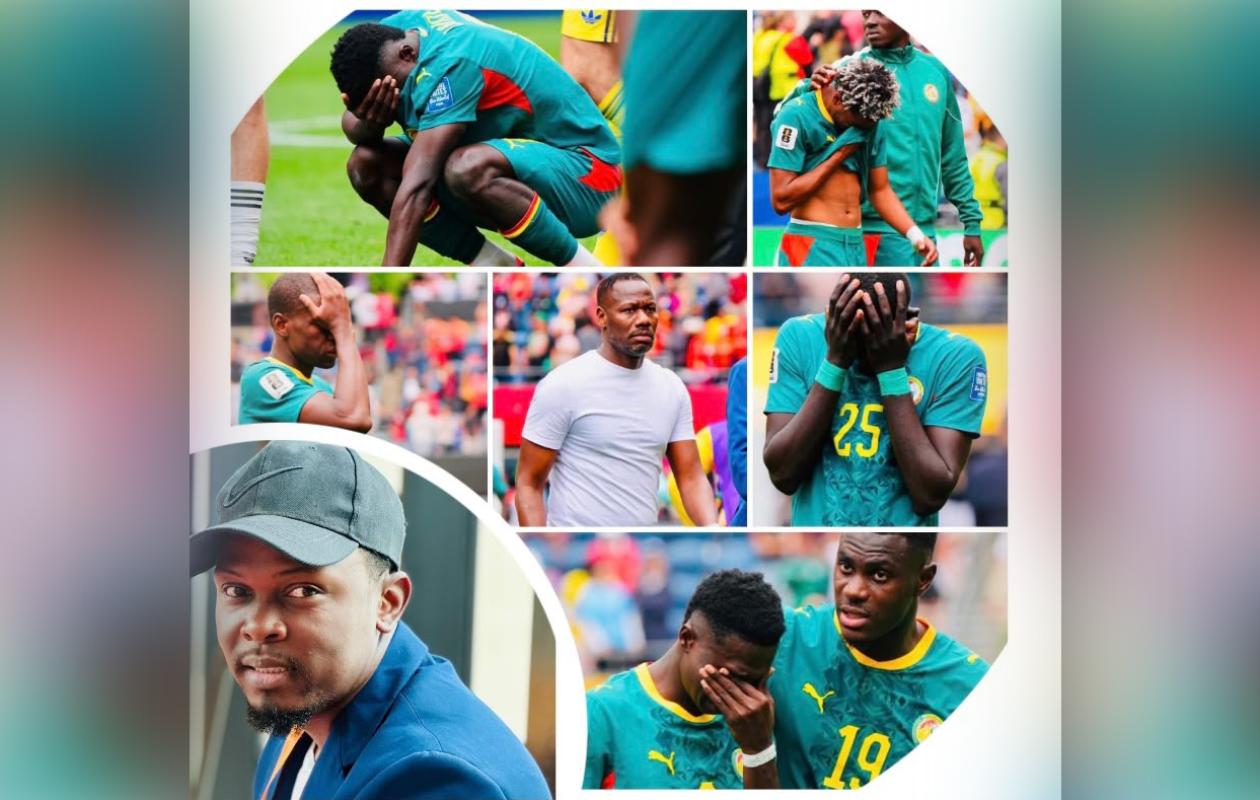
Sénégal-Belgique (2-3) : Autopsie d’un naufrage annoncé (Par Cheikh S. Fall)
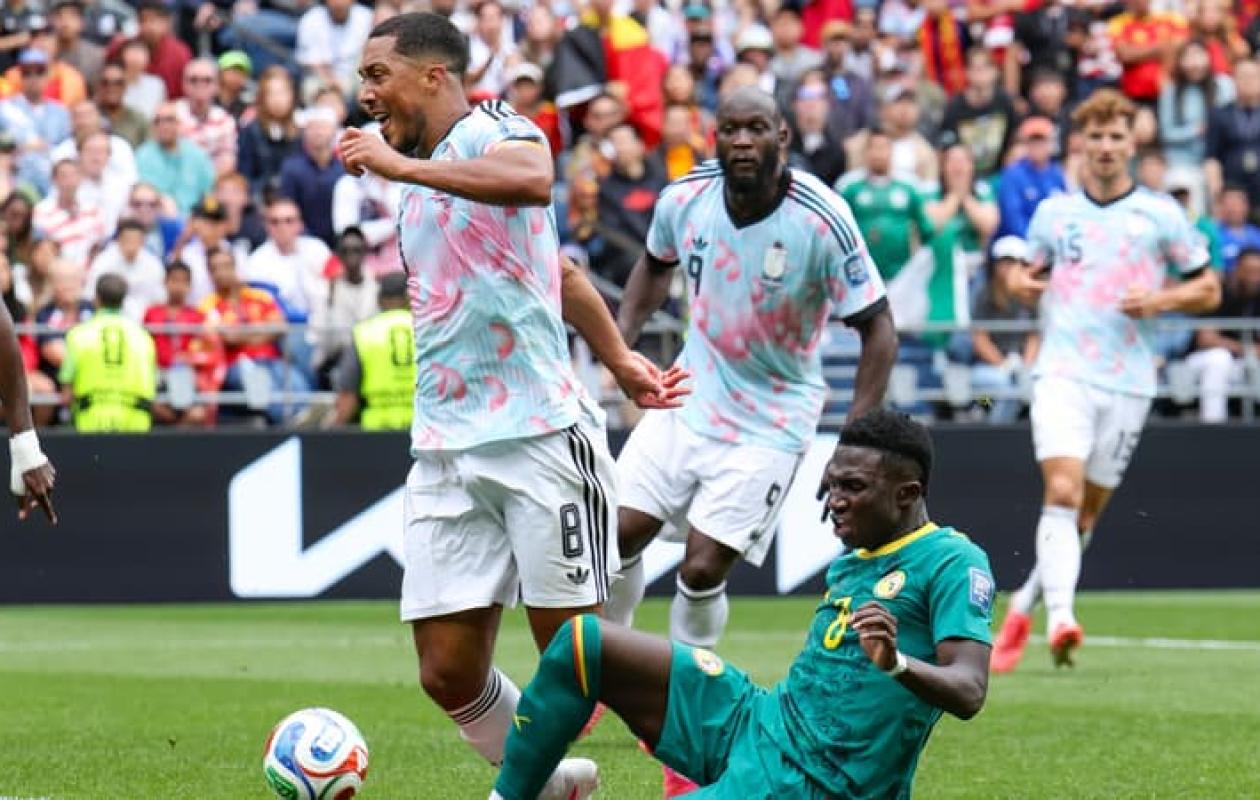
Senegal's elimination against Belgium (3-2 after extra time) on Wednesday in Seattle will remain one of the most bitter disappointments of this 2026 World Cup. Trailing 0-2 until the 85th minute, the Lions of Teranga were caught and then outclassed in the space of half an hour. But we mustn't simply focus on this spectacular scenario from the 86th to the 120th+5 minute. Let's be clear: this collapse raises questions about structural flaws that run much deeper than a mere series of unfortunate events.
Wasn't there a deceptive management of the "money-time" period? The first observation is self-evident. Indeed, the management of the final minutes remains, once again, a weak point. Pape Thiaw's men opted to sit back rather than maintain their attacking play, which had been effective for over an hour. This choice handed the initiative to a Belgian team bolstered by a significantly deeper bench. The danger didn't stem from any technical superiority of the opposition. In reality, Belgium was sluggish for much of the match, but from a collective lapse in concentration at the precise moment when they should have, on the contrary, been locking down the game.
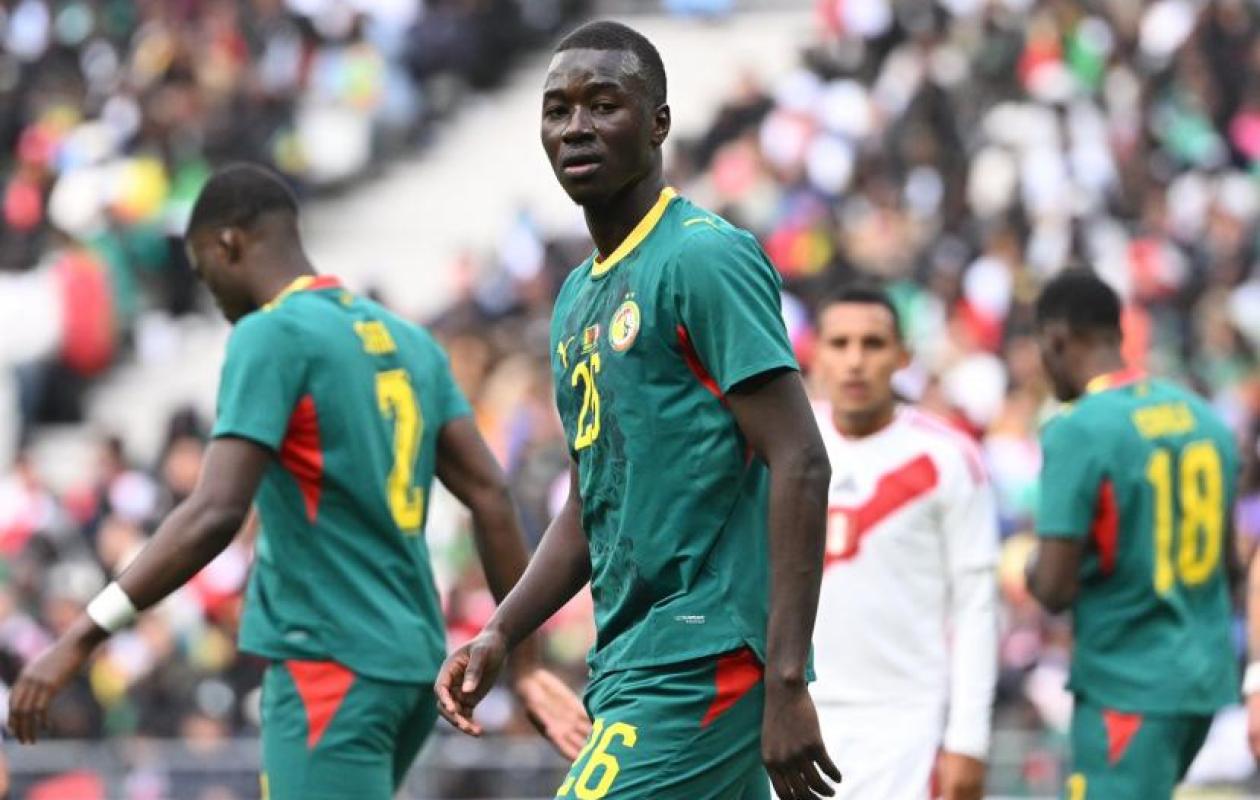
The Senegalese coach is not immune to criticism either. The substitution of Pape Gueye, a midfield maestro throughout the tournament, weakened the Senegalese midfield at a crucial moment in the match. His replacement, Lamine Camara, had a difficult start: quickly booked for a dangerous tackle, he then conceded the penalty that secured Belgium's qualification in the 120th+5 minute. Another controversial choice was the introduction of Ibrahim Mbaye in place of Iliman Ndiaye, who failed to provide the expected attacking impetus. The young striker often found himself isolated against several defenders, without close support to make runs and provide support. Are these coaching decisions questionable? In any case, his decisions, made in the heat of the moment, fueled a sense of tactical incoherence already highlighted by several observers during the tournament.
In extra time, Senegal made the risky decision to "let the ball go to the Belgians" and play on the counter-attack. This gamble ultimately stifled the Lions rather than liberating them. Despite the team's visible fatigue, they made no changes to their game plan and found no further attacking solutions in the final fifteen minutes, ceding all the initiative to the Red Devils, revitalized by their successive comebacks.
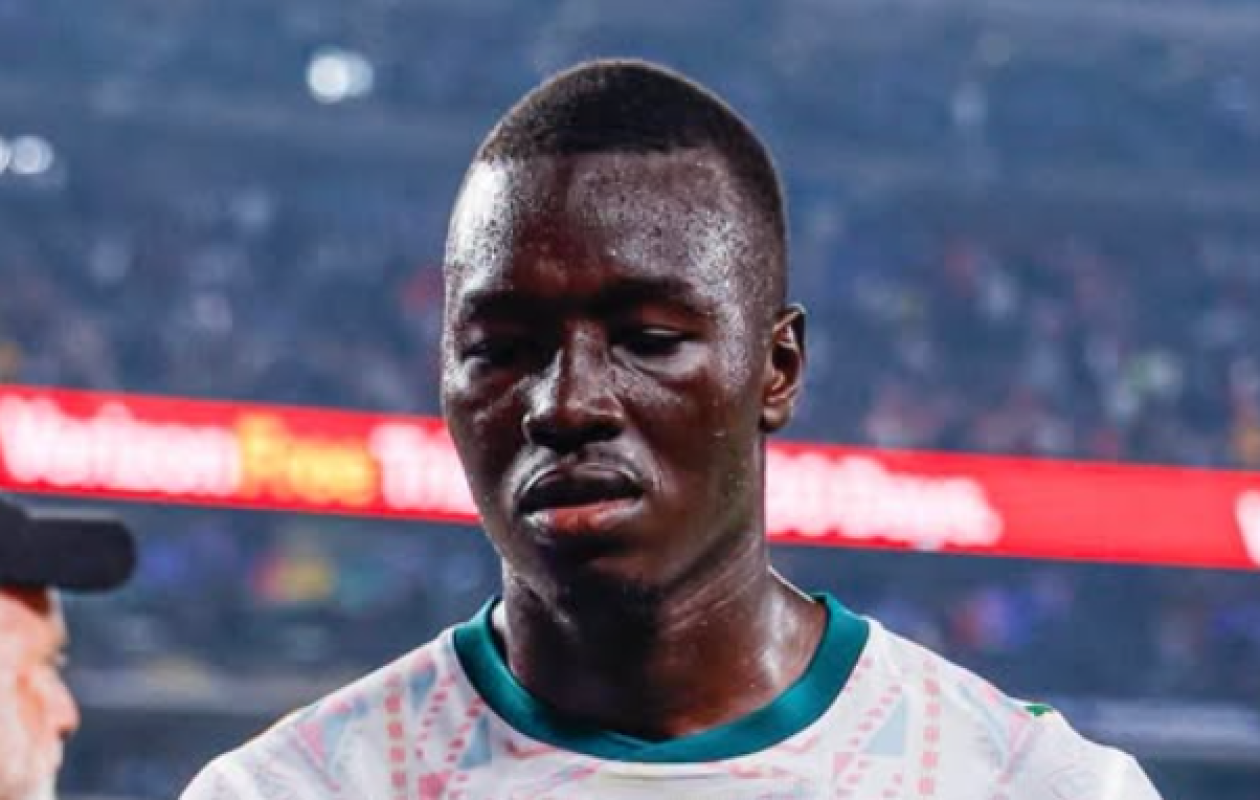
What about the goalkeeper? Is he the weak link in Mendy's absence? Everything points to so. Édouard Mendy's withdrawal weighed heavily on the balance. Mory Diaw, starting in his place, struggled on Belgium's equalizing goal in the 89th minute, misjudging a high ball that allowed Youri Tielemans to send the game into extra time. This incident could reignite the debate about the goalkeeping hierarchy in the national team in the future.
This elimination, however frustrating given the way the match unfolded, shouldn't overshadow the fact that Senegal reached the round of 32 by the skin of their teeth, as one of the best third-placed teams in their group. The attacking potential of this team, driven in part by a decisive Ismaïla Sarr and a rising generation of players like Lamine Camara, Habib Diarra, and Bara Sapoko Ndiaye, remains undiminished. However, the coach's handling of the closing stages of matches and his tactical approach, already criticized during the tournament, must be addressed before the upcoming competitions, starting with the Africa Cup of Nations.
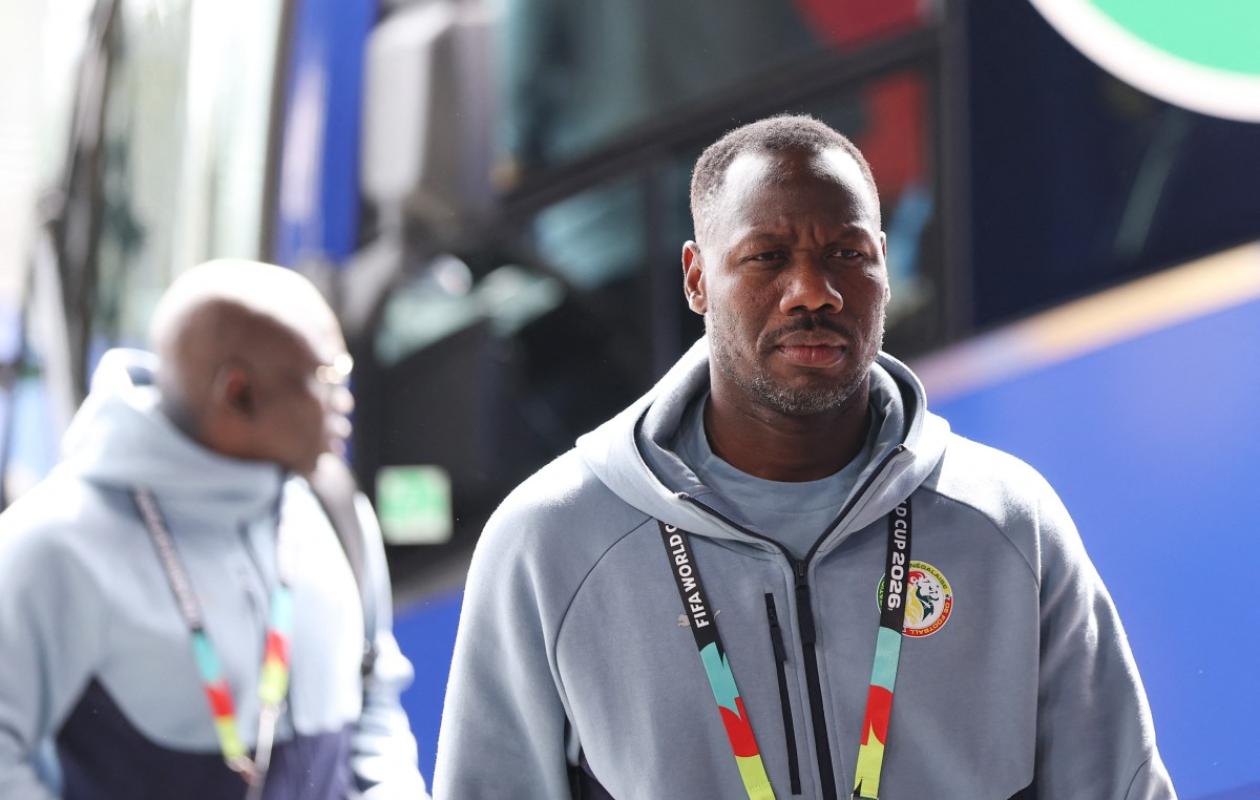
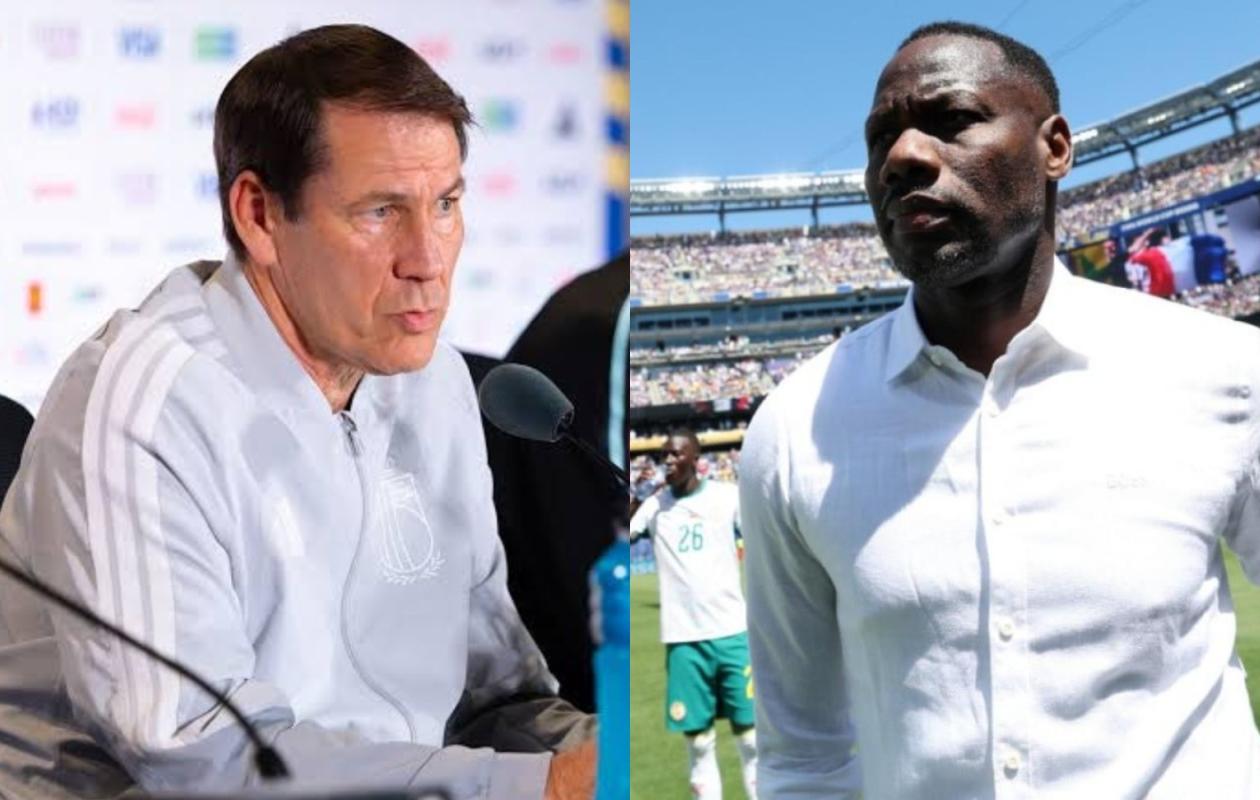
But the debate surrounding Pape Thiaw's future has already begun! Indeed, his succession is undoubtedly the key question that will dominate the coming days. Whether to replace or retain Pape Thiaw as head coach of the Lions is fueling public debate, especially since several key players, like Pape Gueye, have already expressed their unease with the current coaching staff. Between an undeniable pool of talent and a collective management style that still needs improvement, Senegal finds itself at a crossroads.
The upcoming 2027 Africa Cup of Nations is already shaping up to be a first major test to either settle this emerging disenchantment or, on the contrary, to aggravate it.







Commentaires (8)
Participer à la Discussion
Règles de la communauté :
💡 Astuce : Utilisez des emojis depuis votre téléphone ou le module emoji ci-dessous. Cliquez sur GIF pour ajouter un GIF animé. Collez un lien X/Twitter, TikTok ou Instagram pour l'afficher automatiquement.