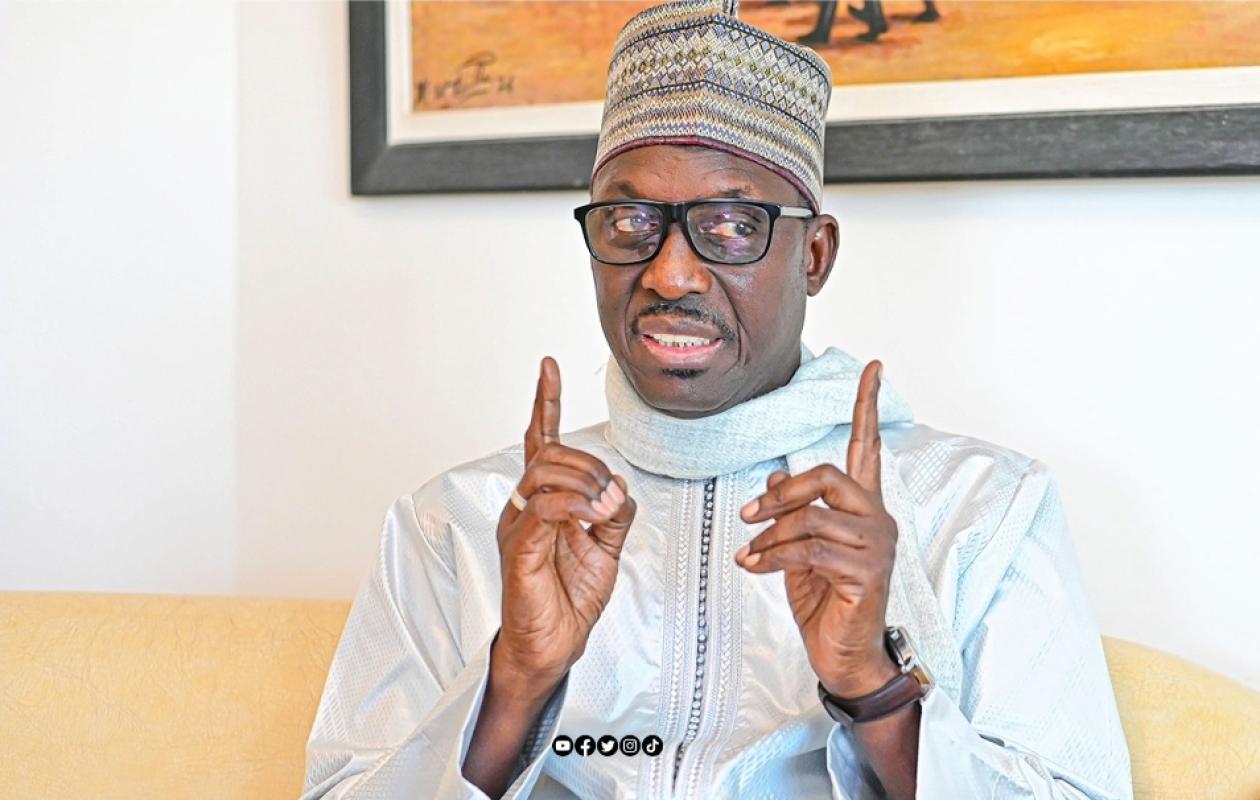
PagaPresse sénégalaise : le temps de la refondation ( Par Babacar DIAGNE)
The arrival of a new government in Senegal has sparked considerable hope in several sectors of national life. The media and communications sector has emerged as one of the most urgent areas requiring reform, as the accumulated difficulties of the years have weakened a sector essential to any modern democracy. Senegal has long been considered a benchmark in Africa for the vitality of its press, the diversity of its media outlets, and the quality of its public debates. This reputation was built on the professionalism and commitment of generations of journalists and media professionals who helped make pluralism of information a hallmark of our country. However, in recent years, a growing rift has developed between the authorities and media professionals. Many have felt marginalized in the processes of reflection and decision-making concerning the very future of their profession. Dialogue has weakened, communication channels have broken down, and misunderstandings have multiplied. The time has therefore come to undertake a genuine overhaul of public communication policy around a clear, realistic, and inclusive agenda. I. The first priority should be the immediate resumption of dialogue with all media stakeholders. No serious reform project can succeed without ongoing consultation with journalists, publishers, technicians, producers, broadcasters, and professional organizations. It is essential to restore a climate of trust based on listening, mutual respect, and recognition of the press's strategic role in the country's democratic stability. II. The second priority concerns the crucial issue of the Press Support and Development Fund (FADP). This instrument, essential for supporting media companies and the profession, now deserves profound reform to guarantee greater transparency, fairness, and efficiency in its management and allocation. The objective must be to enable media outlets to modernize, strengthen their professionalism, preserve jobs, and ensure their economic viability in a particularly challenging context for the entire sector. III. The third area should focus on reviewing the CNRM (National Council for Media Regulation). In a media environment profoundly transformed by digital technology, social networks, and new information consumption habits, it is essential to initiate a calm and reasoned discussion on the functioning, missions, and regulatory methods of this body in order to better adapt it to the current realities of the Senegalese media landscape. IV. The fourth area should be the organization of national conferences dedicated to the economic model of the Senegalese press. This issue has become crucial. Many media outlets are currently surviving in a state of severe financial insecurity, even as professional, technological, and competitive demands become increasingly demanding. It is becoming urgent to collectively consider new financing mechanisms, the digital transition, advertising, sector taxation, and the economic viability of press companies. V. The fifth area concerns the worrying situation of digital terrestrial television (DTT). Senegal was one of the first African countries to successfully transition to digital broadcasting, generating considerable hope and pride at the time. However, today it is clear that the system has serious limitations. Many areas of the country still lack adequate coverage, while set-top boxes have become difficult for the population to obtain. This situation raises a critical question of equitable access to audiovisual information across the entire country. A thorough evaluation of the digital terrestrial television (DTT) policy is therefore essential to address the shortcomings and relaunch a coherent and accessible digital strategy. This conference could be a historic moment for collective reflection, enabling the development of an ambitious national vision for the future of communication in Senegal. The Senegalese press still possesses remarkable human resources, recognized talent, and a strong intellectual tradition. But these achievements cannot be preserved without political will, genuine dialogue, and courageous reforms. The time for renewal has therefore arrived, enabling the Senegalese press to reclaim its rightful place in democratic consolidation, shaping public opinion, and supporting major national transformations. For a strong democracy always needs a strong press.
BABACAR DIAGNE Journalist Former Director General of RTS












Commentaires (25)
Participer à la Discussion
Règles de la communauté :
💡 Astuce : Utilisez des emojis depuis votre téléphone ou le module emoji ci-dessous. Cliquez sur GIF pour ajouter un GIF animé. Collez un lien X/Twitter, TikTok ou Instagram pour l'afficher automatiquement.