
Sonko, la justice et le peuple : le Sénégal face à un choix historique (par Dr Cheikhabdou Lahad MBACKE)
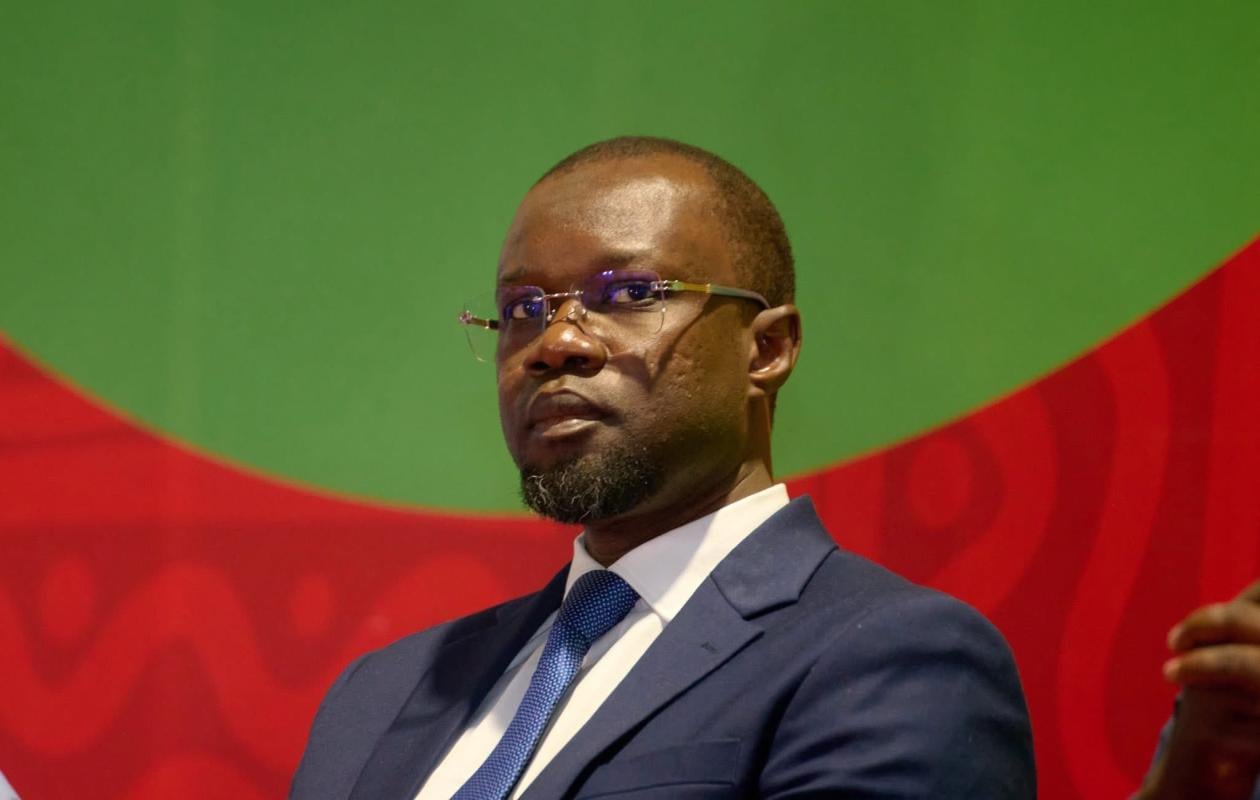
The legal case between Ousmane Sonko and Mame Mbaye Niang has long since transcended a simple defamation dispute. It has become a stark reminder of the deep tensions between the judiciary, politics, the media, and popular sovereignty in Senegal. With the 2029 presidential election on the horizon, the question of the ineligibility of one of the country's most popular political leaders poses a major dilemma: should the court's decision be strictly adhered to, or should the will of the people be taken into account to preserve national stability?
The press: between information and influence
In this case, the Senegalese press, particularly online, played a decisive role. By extensively reporting on the proceedings, statements, and controversies, it helped shape public opinion. However, this intense media coverage sometimes blurred the line between information and taking a position.
As the philosopher Jürgen Habermas explained, the press is a pillar of the "public sphere," that is, the place where opinion and political will are formed. When it deviates from balance and rigor, it can exacerbate polarization and transform a legal trial into a permanent political confrontation.
Justice and the rule of law: a non-negotiable principle
In any democracy, the rule of law rests on a fundamental principle: no one is above the law. The jurist Hans Kelsen reminded us that the authority of the state is based first and foremost on respect for legal norms. As such, if a conviction is legally established and upheld by the competent courts, it must be enforced, including ineligibility for public office.
Challenging a court decision solely because of the popularity of a political figure would open the door to a dangerous relativization of the law and weaken republican institutions.
The will of the people: an unavoidable political legitimacy
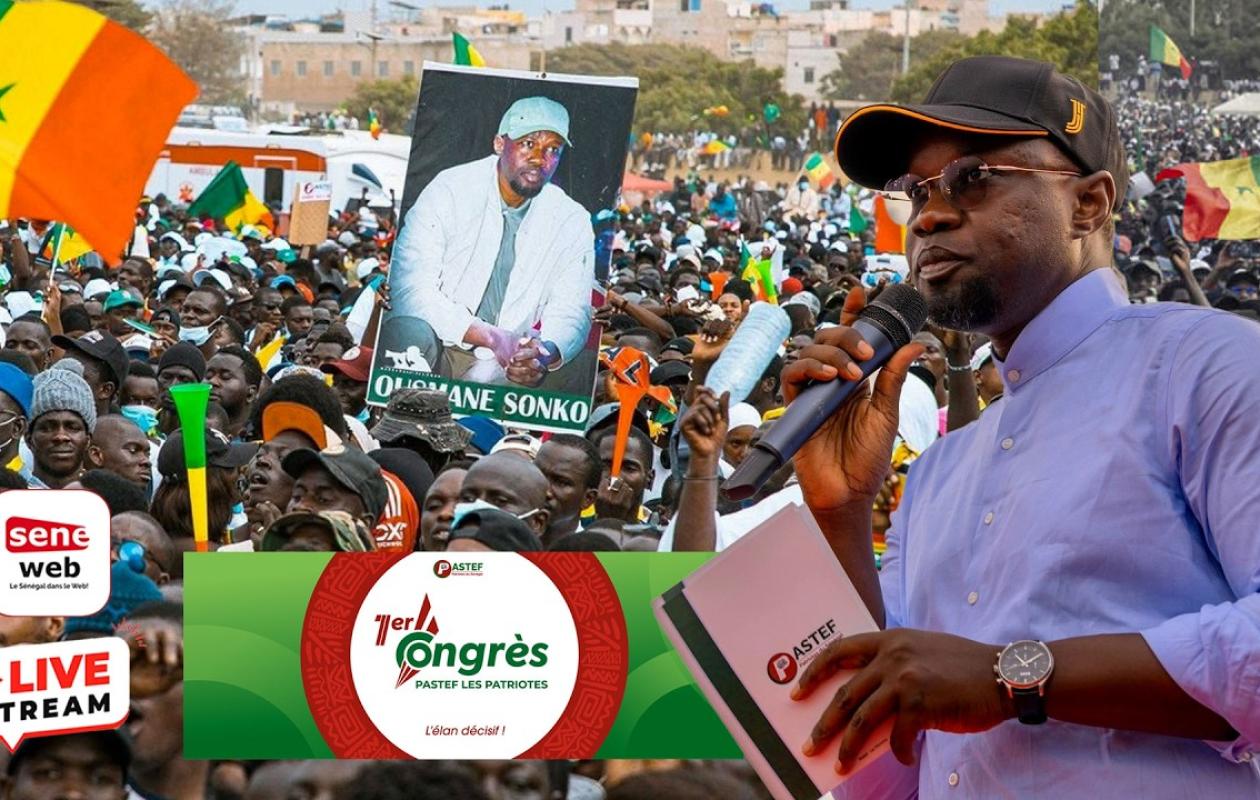
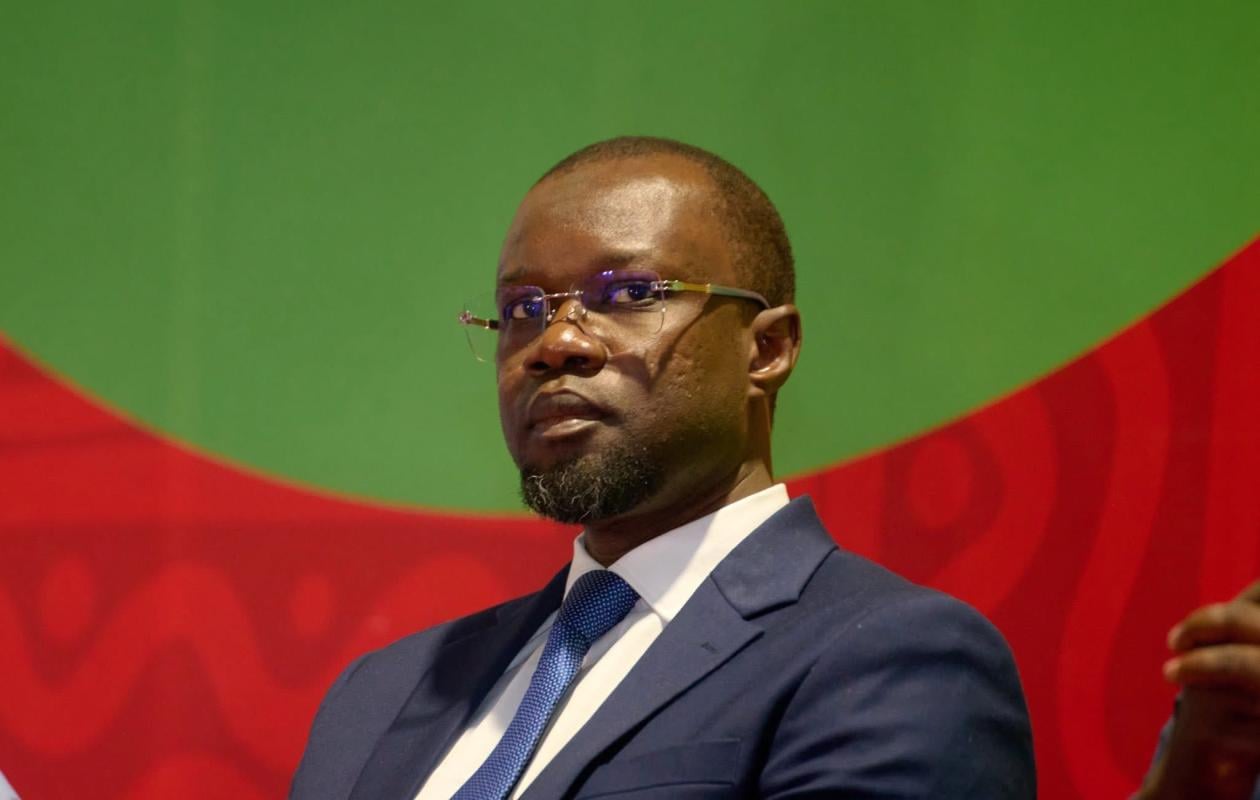
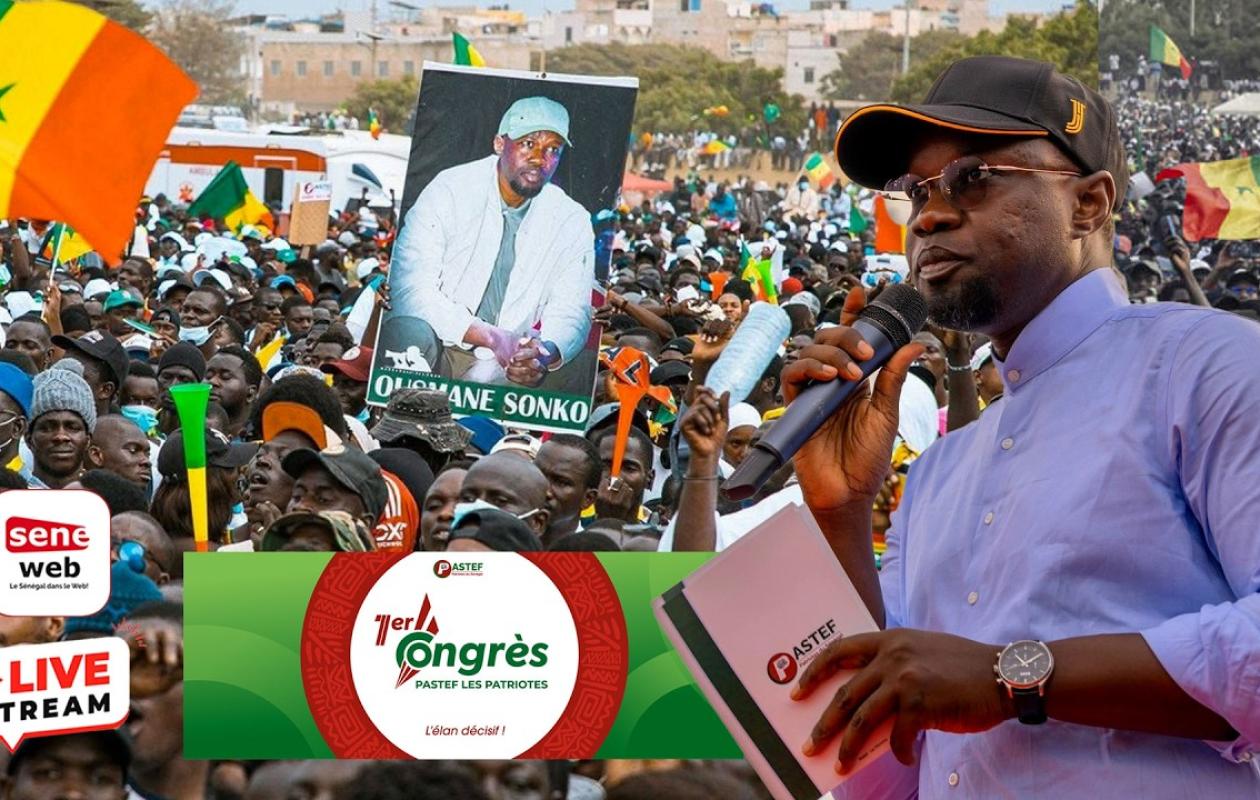
However, democracy is not limited to formal legality. It also rests on popular legitimacy. Ousmane Sonko embodies, for a significant portion of the population, a credible political alternative, particularly for young people. His exclusion from the electoral process is perceived by his supporters as a confiscation of democratic choice.
Political scientist Robert Dahl pointed out that a true democracy requires open competition between political alternatives. When major candidates are sidelined, feelings of injustice and frustration can fuel protest and instability.
A false dilemma
Pitting justice against popular will is, in reality, a false debate. The real problem lies in the trust placed in institutions. As Pierre Rosanvallon points out, democratic legitimacy rests as much on legality as on trust. A justice system perceived as independent is better accepted, even when it makes difficult decisions.
Conversely, any suspicion of judicial manipulation, amplified by a partisan press, weakens national cohesion and fuels distrust of the state.
*
What is the outcome for the stability of Senegal?
Senegal's stability by 2029 will not depend solely on whether or not Ousmane Sonko runs for office. It will depend primarily on the country's ability to:
* to guarantee an independent and credible justice system,
* to promote a responsible and balanced press,
* to preserve an inclusive political space,
* to promote dialogue rather than excessive legal intervention in political debate.
As Samuel Huntington reminded us, political stability rests first and foremost on the strength of institutions. Senegal is therefore faced with a historic choice: to consolidate its democratic model in the long term or to allow a rift to develop between institutional legality and popular legitimacy.
Dr. Cheikhabdou Lahad MBACKE
UMBC - School of Public Policy
Mbacke23@gmail.com









Commentaires (17)
Vous avez tout dit et bien dit.
Malheureusement, les pastechiens vont passer toute cette semaine à vous insulter.
Comme à leurs habitudes.
Il n'y a jamais eu de rapport
SONKO Rékk !!
Les personnes raisonnées ne soutiennent pas une popularité basée sur la manipulation d'une jeunesse inculte et émotionnelle.
Il y a eu un rapport de 2018 du PRODAC qui a épinglé Mae Mbaye Niang qui avait même démissionné de son poste. Il y a eu beaucoup de presse et même un livre sur ce rapport. Comme le rapport n'a jamais été déclassifié publiquement, Mane Mbaye Niang passait son temps à menacer et porter plainte à quiconque avec la protection de l'état.
Quand Mame Mbaye Niang a porté plainte contre Ousmane Sonko qui avait dit qu'il était épinglé par un rapport IGF, le commissaire de la DIC a demandé au responsable de l'IGF de l'état si ce rapport existait. L'agent de l'état a dit 'Non' et c'est sur qui s'est base la Justice pour condamner Ousmane Sonko. Donc les juges n'ont pas accès a ce rapport et ont fait leur travail.
Comme premier ministre, Ousmane Sonko détient ce rapport de PRODAC de 2018 qui a épinglé Mame Mbaye Niang. Donc ce rapport existait et l’agent de l’état avait menti. Une commission avec entre eux 8 juges (dont le troisième digitaire de la cour Supreme et l'inspecteur général) ont reçu le rapport, ont revu le procès et ont reconnu que c'est un fait nouveau. Par conséquent ils ont donné un avis favorable pour la réouverture du dossier.
C'est si simple et compréhensible que ça. La volonté populaire ou l'affront a la justice n'ont rien à faire sur ce dossier.
Participer à la Discussion
Règles de la communauté :
💡 Astuce : Utilisez des emojis depuis votre téléphone ou le module emoji ci-dessous. Cliquez sur GIF pour ajouter un GIF animé. Collez un lien X/Twitter, TikTok ou Instagram pour l'afficher automatiquement.