Penser la Renaissance africaine : de Pixley ka Isaka Seme à Cheikh Anta Diop, une continuité historique et intellectuelle (Par l’Ambassadeur Abdou SAMB)
RECENTLY, during a podcast interview, I was caught off guard by an intellectual dilemma when the host asked me a direct question about the link between Pixley ka Isaka Seme and Cheikh Anta Diop.
My response at the time lacked sufficient rigor; it did not fully do justice to the profound intellectual lineage that connects these two giants. It is to remedy this deficiency and to honor this chain of thought with precision that I am writing this article today.
Roughly every 40 years, Africa seems to produce a great thinker, a visionary who takes up and elevates the founding idea of the continent's renaissance. It's an unbroken chain, a torch passed from one generation to the next, refusing imposed oblivion and inferiority to assert a sovereign, proud Africa that contributes to the world.
In 1906, at only 25 years old, Pixley ka Isaka Seme, a student at Columbia University, delivered his prophetic speech, "The Regeneration of Africa," in New York. Facing a continent almost entirely colonized, he boldly declared: "I am African, and I place my pride in my race in the face of hostile public opinion."
He defined the renaissance not as mere imitation, but as the entry into "a new life, embracing the various phases of a higher and more complex existence," in which Africa would bring a unique civilization to the world. This text is the first modern manifesto of the African renaissance, rooted in racial pride, unity, and the conviction that the continent can regenerate itself through its own strength.
Some 40 years later, in the period 1946-1960, Cheikh Anta Diop took up this torch with unprecedented scientific rigor. From his essays collected in Towards an African Renaissance and developed in Black Nations and Culture (1954), Diop transformed Seme's poetic vision into an irrefutable demonstration: Black Africa has never been without history or civilization.
Ancient Egypt, the African and Black cradle, proves the cultural, linguistic, and civilizational unity of the continent. Diop intellectually armed the idea of renaissance; he dismantled Eurocentrism, restored historical pride, and provided the scientific basis for renaissance to cease being a dream and become a feasible project. He presents himself as one of the very first direct heirs of Seme, chronologically, intellectually, and spiritually.
Even 40 years later, in the late 1990s, Thabo Mbeki masterfully took up and amplified this legacy. In his landmark 1998 speech, The African Renaissance Statement, and in I am an African in 1996, Mbeki did not simply invoke Pan-African roots; he transformed the African Renaissance into a concrete, continental, and forward-looking political project.
He makes a decisive transition: from Diop's historical and scientific proof, Mbeki moves to institutional and diplomatic action.
Particularly significant was his role in the transformation of the Organization of African Unity (OAU) into the African Union (AU) in 2002. As the first AU chairman, Mbeki ensured that the DNA of the new institution was deeply imbued with the renaissance project initiated by Pixley ka Isaka Seme in 1906.
The AU is not simply an administrative overhaul; it embodies a renewed ambition for unity, economic self-reliance, democratic governance and global leadership for Africa – pillars that directly extend the original call for rebirth.
Mbeki was the key figure, the one who succeeded in transforming Diop's profound intellectual work into a state program and a sustainable institutional vision. His contribution remains immense; he gave the ideas of Seme and Diop a political and structural scope that endures to this day.
Today, in 2026, nearly forty years after Mbeki, this living chain continues to call for new torchbearers. Current challenges—crushing debt, the digital divide, the climate crisis, the marginalization of the diaspora, and the collapse of public services—demand that we, in turn, update this idea of renaissance: no longer just as a source of pride, a scientific project, or a political vision, but as the concrete mobilization of African human, financial, and intellectual capital, both within and outside the continent.
If Seme lit the historical and identity spark, Diop provided the scientific foundation, and Mbeki delivered the political translation, then the challenge that now falls to us is the economic realization of this renaissance: creating the financial mechanisms, value chains, innovation hubs and capital flows that will take Africa from vision to tangible and shared prosperity.
In this economic phase, youth movements, through their energy, digital creativity and rejection of inherited patterns, will play a central and essential role; they will be the main architects of this concrete, innovative, enterprising transformation, reinventing the continent's economic models.
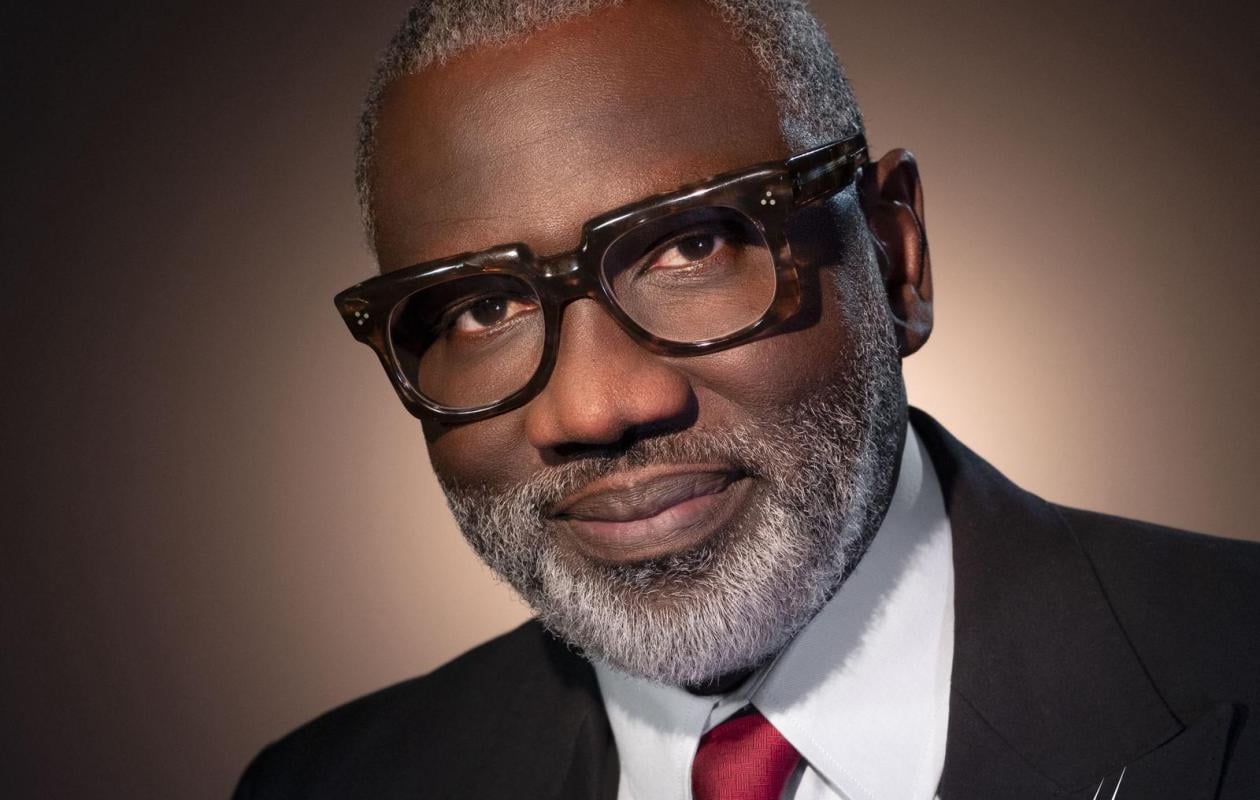
Ambassador Abdou Samb is an entrepreneur, a pan-Africanist thinker, a leading promoter of the "African Renaissance" and a philanthropist.
This step will also draw on the visionary work of Professor Ali Mazrui, who tirelessly called for African solutions to African problems – a valuable intellectual compass to avoid the pitfalls of mechanically importing external models and to favour endogenous, culturally rooted and sovereignly adapted approaches.
The question is no longer: "When will the renaissance come?" It is: "Are we ready, together, to carry it forward as those who came before us did?"
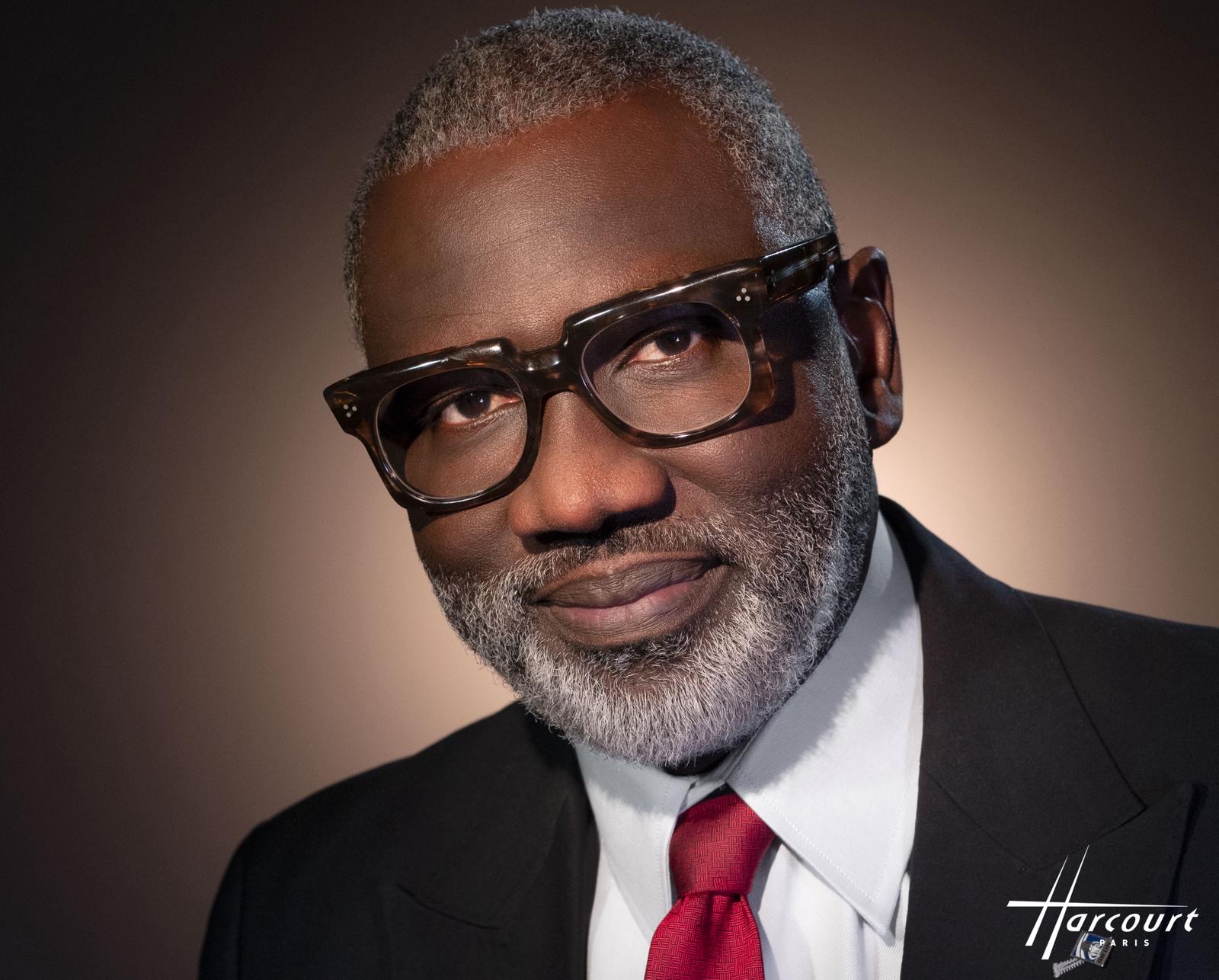
Ambassador Abdou Samb is a Senegalese engineer and mathematician, an expert in digital transformation with the European Commission, and an honorary ambassador of the Pan-African Parliament for diaspora affairs. He is also the president of A2S International and the Abdou Samb Foundation.














Commentaires (3)
Participer à la Discussion
Règles de la communauté :
💡 Astuce : Utilisez des emojis depuis votre téléphone ou le module emoji ci-dessous. Cliquez sur GIF pour ajouter un GIF animé. Collez un lien X/Twitter, TikTok ou Instagram pour l'afficher automatiquement.