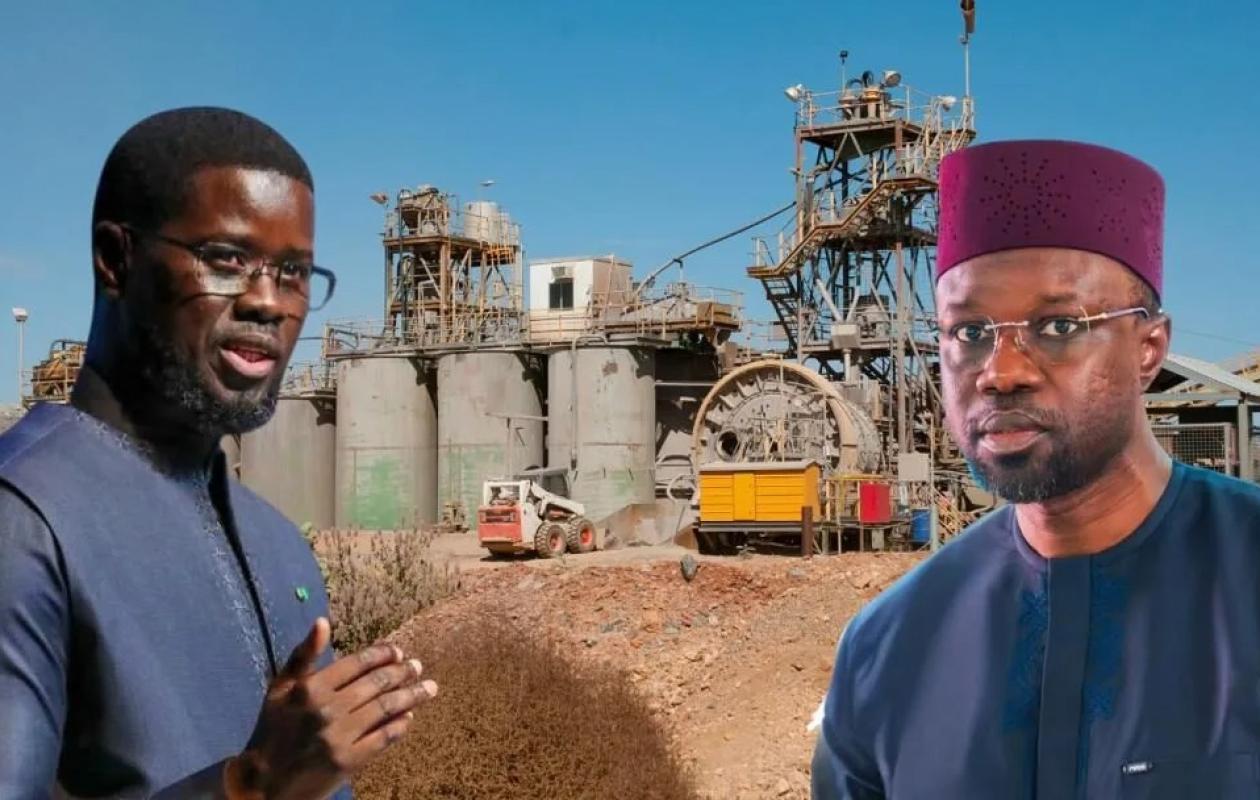
Agropoles, incubateurs et protection du marché : les piliers de la nouvelle révolution industrielle
Senegal is embarking on a profound transformation of its industrial policy. Long considered the weak link in the national economy, industry is now returning to the heart of the development strategy, driven by an ambitious vision: to create value locally, reduce dependence on imports, and foster the emergence of true Senegalese industrial leaders. The levers of this new dynamic, examined in plenary session at the National Assembly, are agro-industrial parks, industrial incubators, and targeted market protection, according to the Minister of Industry and Trade.
A break with decades of failure
Since independence, Senegal's industrialization has struggled to take off sustainably. The industrial sector's contribution to GDP, already limited to around 14% in the early post-colonial years, has increased only slightly in over sixty years, currently fluctuating between 22% and 25%, said Serigne Guèye Diop. This progress is considered insufficient, particularly in light of population growth, employment needs, and ambitions for structural transformation. "Even worse, a large part of the industrial fabric is dominated by foreign groups. Cement, sugar, fertilizers, chemicals: in many strategic sectors, the majority of large companies are owned by foreign capital, whose profits are largely repatriated. As a result, Senegal produces, but does not fully capitalize on the wealth created," he said. He added, "It is this vicious cycle that the authorities now intend to break."
One of the cornerstones of this new industrial policy is the establishment of a national network of agropoles. These platforms, located in each department, aim to bring agricultural production closer to industrial processing. The objective is simple yet revolutionary, according to the minister: to stop exporting raw materials only to import processed products at high prices. Peanuts, tomatoes, mangoes, onions, rice, cashew nuts, seafood… all these sectors have significant untapped potential for local processing.
In the new agro-industrial parks, producers will no longer be just suppliers of raw materials, but integrated players in a complete value chain: sorting, storage, processing, packaging, and marketing. This model will not only reduce post-harvest losses but also create a significant number of local jobs, particularly for young people and women. Another major innovation is the integration of industrial incubators within the production areas themselves. Unlike traditional incubators, which are often focused on digital technology and services, these incubators will be geared towards agri-food processing, mechanics, local chemistry, packaging, and energy. The goal is not only to foster the emergence of startups but also to train and develop future industry leaders.
Entrepreneurs capable of understanding the entire industrial chain: from raw materials to the market, including quality, logistics, financing, and export. "These incubators will provide: pilot production units, technical and managerial training, financial support, and access to the structured market. A concrete response to a central problem in the Senegalese economy: the lack of a truly strong national industrial base."
The third pillar of this industrial revolution was "targeted protection of the Senegalese market." For a long time, the country largely opened its borders, allowing the massive influx of imported products, sometimes cheaper, but often subsidized by their countries of origin. This policy weakened, or even destroyed, many local industries.
Furthermore, the new strategy is shifting direction. “When domestic production is sufficient, the government no longer hesitates to temporarily restrict certain imports, as was recently done for products like potatoes, onions, and bananas.” The goal is not self-sufficiency, but rather the creation of an environment conducive to local industry, giving it time to reach critical mass and sustainable competitiveness. This approach, described as “economic patriotism,” draws inspiration from practices used by all major industrial powers, including the United States, China, and the European Union.
To support this ambition, the budget of the Ministry of Industry and Trade has seen a dramatic increase, rising from 50 to 350 billion FCFA. This funding will be largely allocated to regional development: the creation of industrial platforms, infrastructure construction, equipping agro-industrial parks, electrification, and land development. Unlike projects concentrated in the capital, this new approach is decentralized and inclusive, enabling each region to become a hub for production and processing.









![[Exclusif] Affaire Pape Cheikh Diallo : Nouveau coup de filet de la gendarmerie, 4 suspects arrêtés](https://image.seneweb.com/content/news/2026-10-03//thumb_1260x800_69a7405538b07_WquqgEAmOr.jpg)











Commentaires (4)
Participer à la Discussion
Règles de la communauté :
💡 Astuce : Utilisez des emojis depuis votre téléphone ou le module emoji ci-dessous. Cliquez sur GIF pour ajouter un GIF animé. Collez un lien X/Twitter, TikTok ou Instagram pour l'afficher automatiquement.