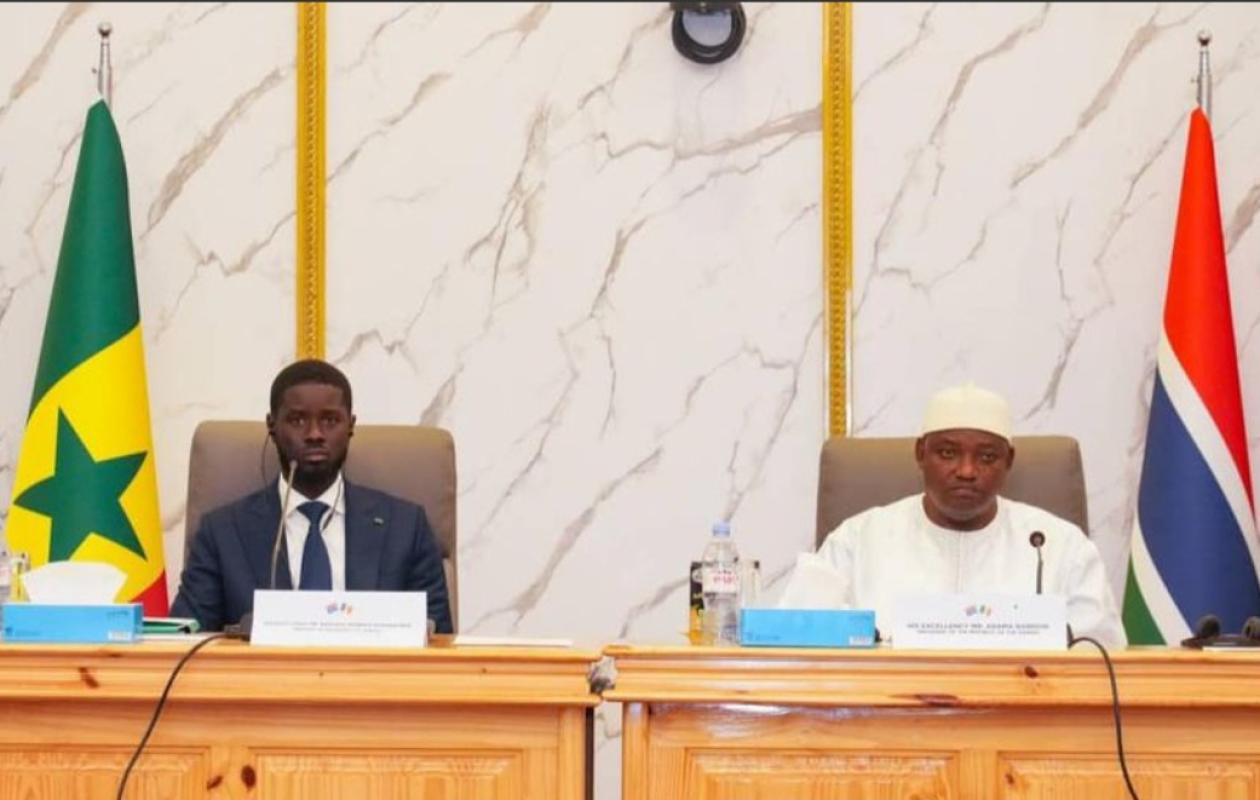
Coopération judiciaire : L’Assemblée adopte la ratification de la convention d’extradition entre le Sénégal et la Gambie
The National Assembly of Senegal has taken a further step in strengthening sub-regional judicial cooperation by examining and adopting draft law No. 21/2025 authorizing the President of the Republic to ratify the extradition convention signed between the Republic of Senegal and the Republic of The Gambia.
With this ratification, Dakar and Banjul take a further step in consolidating their judicial cooperation, in a regional context marked by growing security challenges and the need for a concerted response to transnational crime.
A new instrument to strengthen judicial cooperation
Addressing parliamentarians, the Minister of African Integration, Foreign Affairs, and Senegalese Abroad, Cheikh Niang, reiterated that the convention signed on March 12, 2020, in Dakar aims to modernize the legal framework for mutual legal assistance between the two countries. It replaces the judicial agreement dating from April 28, 1973, which had become inadequate in the face of new forms of cross-border crime.
According to the minister, this convention establishes a principle of reciprocity allowing both states to extradite, upon request, any person prosecuted or convicted by the justice system of either country. The agreement stipulates, in particular, that extradition may be granted for any offense punishable by at least two years' imprisonment under the laws of both states. In the case of a person already convicted, extradition can only be applied if the sentence imposed is at least two years or if the remaining term of the sentence is at least one year.
Cooperation across multiple areas
The convention introduces several important innovations. It stipulates that extradition can be granted even when the request concerns several distinct offenses. It also specifies that offenses related to taxes, customs, or exchange control cannot be rejected solely on the grounds of a difference in legislation between the two countries. Extradition requests must now be processed through diplomatic channels before being handled by the Ministries of Justice of both states, designated as the central authorities.
The text also addresses specific situations such as multiple requests, provisional surrender, re-extradition to a third state, and the transit of extradited persons. The requesting state will bear the costs of transporting the wanted person, while the costs related to arrest and detention will remain the responsibility of the requested state.
Questions about the concept of political offenses
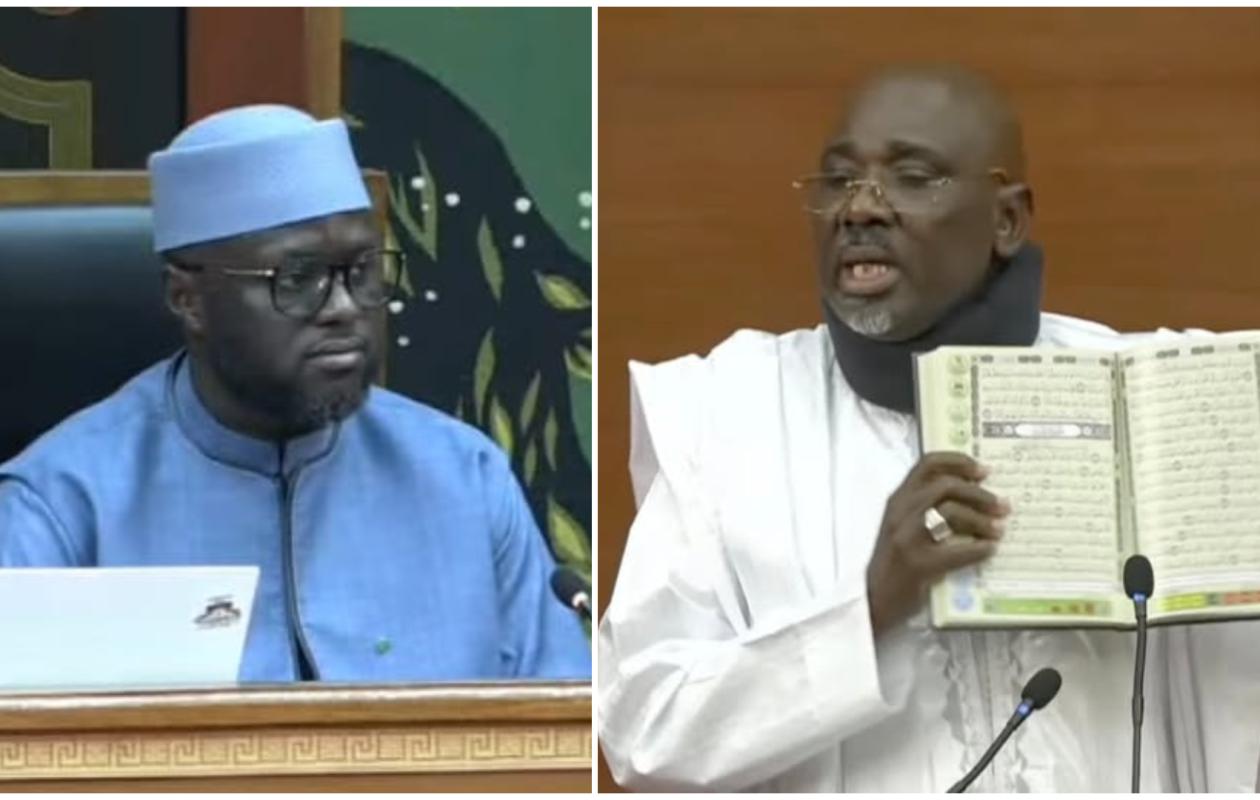
During the debates, several members of parliament raised the sensitive issue of classifying political offenses, particularly the criteria for distinguishing political crimes from ordinary criminal offenses. In response, the minister clarified that extradition falls exclusively under the jurisdiction of the judiciary. The judge retains the authority to assess the nature of the offense before any extradition decision is made, thus guaranteeing respect for fundamental rights.
The issue of Senegalese detainees in Gambia
Parliamentarians also questioned the government about the situation of Senegalese nationals detained in The Gambia. The Secretary of State for Senegalese Abroad, Amadou Chérif Diouf, indicated that 131 Senegalese were incarcerated in Gambian prisons as of January 2026.
He announced that discussions are underway between the two countries to establish a memorandum of understanding on the transfer of detainees. This initiative is expected to be extended to other states hosting Senegalese detainees.























Commentaires (3)
Participer à la Discussion
Règles de la communauté :
💡 Astuce : Utilisez des emojis depuis votre téléphone ou le module emoji ci-dessous. Cliquez sur GIF pour ajouter un GIF animé. Collez un lien X/Twitter, TikTok ou Instagram pour l'afficher automatiquement.