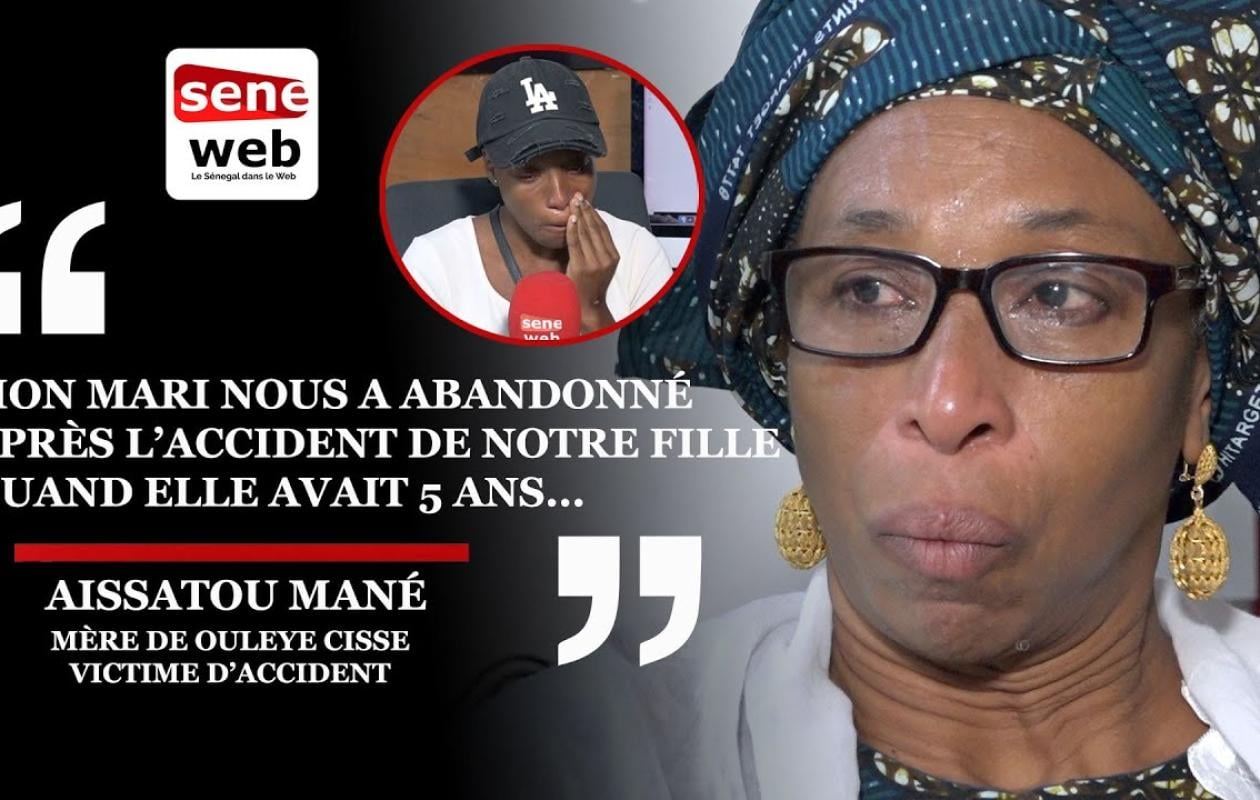
Affaire Ouleye Cissé : Comment un diagnostic erroné a brisé le destin d'une enfant de 5 ans [Dossier (2/5)]
After exploring the structural flaws in the healthcare system, Seneweb presents this Tuesday the poignant story of a life shattered by negligence. It is the story of Ouleye Cissé, struck by a minibus at the age of 5, and her mother, who fought alone against hospital mismanagement and indifference. Between a cast that caused a sudden infection and emergency room doors that remained closed, this testimony lays bare the brutal reality of a two-tiered healthcare system. This is the second installment of our exclusive investigation.
https://youtu.be/LUi2dogpnR4?si=TVYak4RZsyhxHGBV
The accident happened several years ago. Ouleye Cissé was only five years old when she was hit by a minibus. That day, her mother was out. She passed within a few meters of the scene without immediately realizing what had happened. Passersby were surrounding the wrecked vehicle, waiting for the firefighters to arrive. Disturbed by some of the images, the mother didn't dare approach. She continued on her way, praying for the victim, unaware that it was her own daughter. It was the child's brothers who informed her later. When the firefighters arrived, Ouleye was still trapped under the vehicle. The driver had fled the scene.
Also read:
The firefighters and police finally arrived, albeit late. They extracted the child, who had fallen asleep in the meantime. The accident had occurred around 11 a.m.; emergency services only arrived around 2 p.m. During all that time, no one had dared to intervene.
Delayed rescue, without emergency care
“My daughter’s foot was completely bent,” the mother recalls. Taken to the Thiaroye Hospital (Camp), she was horrified to find no care in the ambulance. “They had nothing for initial treatment. They just looked at her, occasionally checking her pulse.” Arriving at the hospital around 2:25 p.m., they were asked for 30,000 CFA francs before any treatment would begin. The child’s father didn’t arrive with the money until after 3:00 p.m. Only then did treatment begin.
A disputed medical approach
After an X-ray, the diagnosis came back: a simple dislocation. However, the mother pointed out a worrying detail. "My daughter has fair skin, but her foot had turned dark. I mentioned this paradox, but no one listened to me." The child was put in a cast anyway. The knee appeared to be open. She was prescribed painkillers, and an appointment was scheduled for ten days later.
The mother decided not to wait. Three days later, the leg swelled. Five days after that, the foot burst open: blood, pus, and an unbearable stench poured out. "No one in the house could breathe. I bought a blade and tore the cast open. The leg looked burned. Maggots were crawling out."
Powerlessness, poverty, and hospital wandering
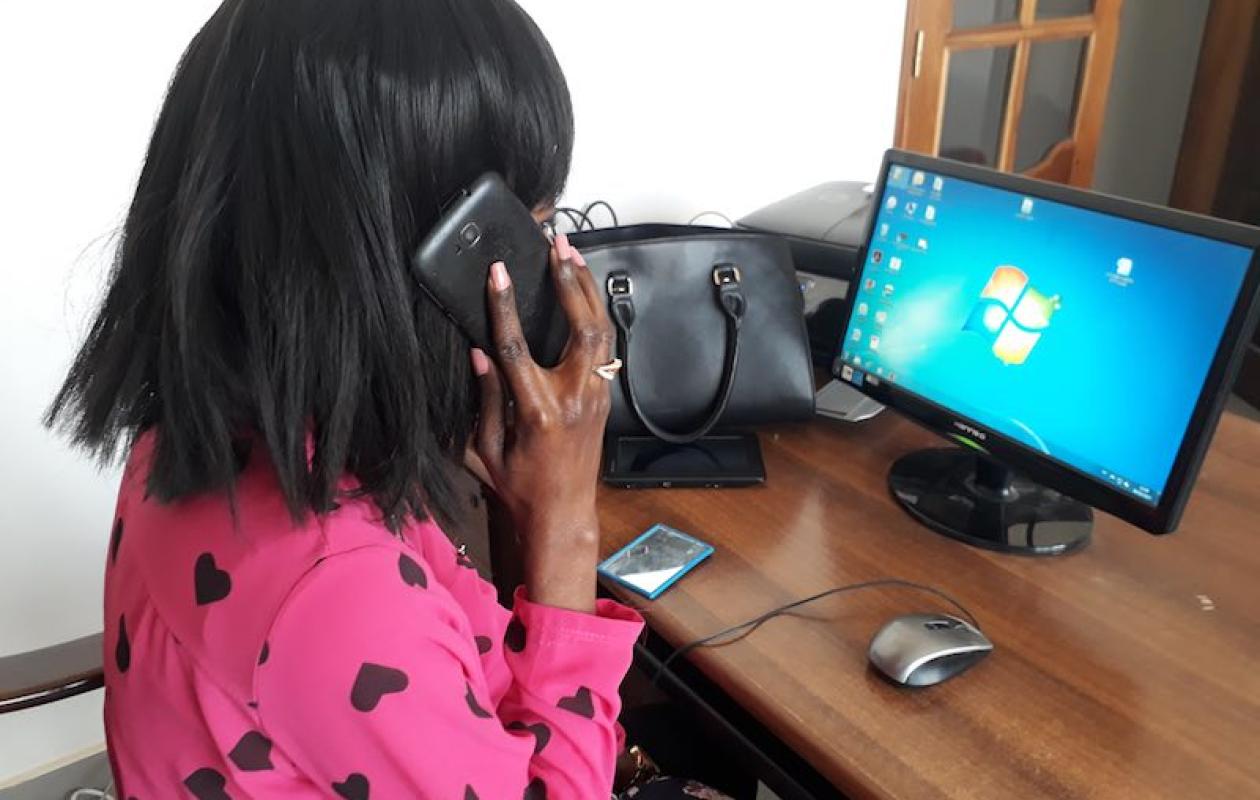
The mother was alone, helpless, and penniless. A neighbor gave her money for a taxi to Le Dantec Hospital. When there were no beds available, she was directed to the Main Hospital. There, she was initially turned away, accused of arriving too late. In tears, she was about to leave when a cousin and a secretary encouraged her to "negotiate." Ouleye was finally admitted to the emergency room. She spent eight days there on an IV drip, and her wound, infested with maggots, was disinfected daily. Afterward, a bed was found in pediatrics, where the child remained hospitalized for seven long months.
Seven months in hospital, years of care
The costs were eventually reimbursed by the Motor Vehicle Guarantee Fund after a lengthy process. But upon discharge, care had to continue. From Keur Massar, the mother made numerous trips back and forth to the Main Hospital. Ouleye began walking again, then relapsed after a procedure during a consultation: a nurse allegedly tried to forcibly stretch her foot. She would no longer be able to put weight on it.
The mother was then referred to the Order of Malta. For two years, fixators were used to straighten the limb. The results were encouraging; Ouleye even began to walk, albeit with a slight limp. But an accidental fall wiped out all the progress. The head of the department, devastated by this failure, let his frustration erupt. The mother then realized that this doctor was suffering as much as she was from seeing all this hard work reduced to nothing.
Between amputation and resignation
Today, treatment has stopped. Ouleye gets around with crutches. An assessment by the humanitarian vessel Mercy Ships offers two options: permanently immobilizing the foot with metal hardware or amputating it. The mother refuses. "I prefer to leave her as she is. At least the wounds have healed."
The mother strongly denounces the delays, the inaccessibility of care for the most disadvantaged, and medical negligence. "If my daughter had received proper care from the start, she wouldn't be disabled today. It all began with a misdiagnosis of a simple dislocation."
The child's father abandoned the family, remarried, and severed all ties. The mother, exhausted, fell ill, and the divorce was finalized. Ouleye had to stop her schooling after the fourth grade. She turned to sewing, then cooking thanks to a grant from the 3FPT (a vocational training organization), but the training remained unfinished due to a lack of funds for additional expenses. Today, she sews boubous for tailors, paid by the day. She isn't begging. She's making progress.
A mother's plea, a daughter's hope
The mother is appealing for medical treatment abroad. “I don’t want my child to live on charity. I want her to walk.” Ouleye, for her part, gives thanks to God despite everything. Her dream is simple: to work, get her degree, and give her mother “a tenth of what she sacrificed.” Today, she is appealing to the Ministries of Health and Family.















Commentaires (7)
Participer à la Discussion
Règles de la communauté :
💡 Astuce : Utilisez des emojis depuis votre téléphone ou le module emoji ci-dessous. Cliquez sur GIF pour ajouter un GIF animé. Collez un lien X/Twitter, TikTok ou Instagram pour l'afficher automatiquement.