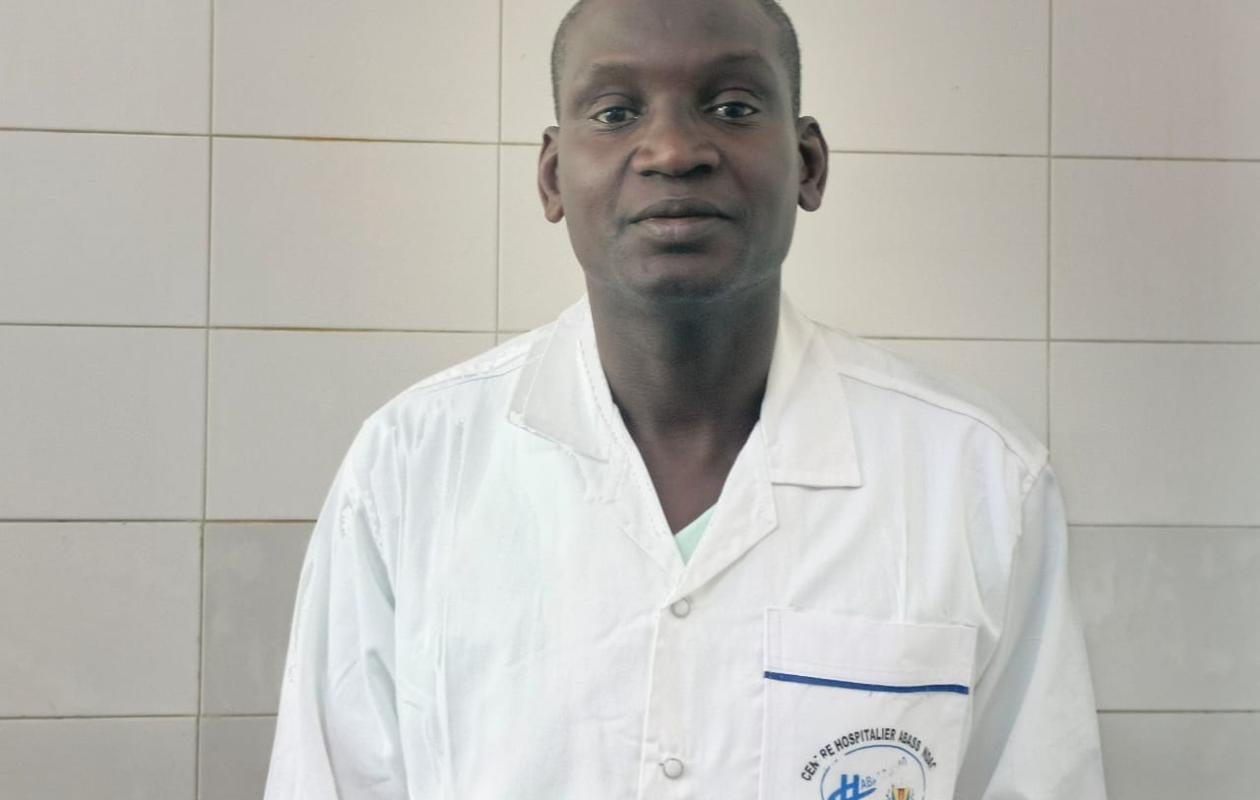
Dr Idrissa Ngom : « L’excision n’apporte aucun bénéfice médical : elle inflige des souffrances inutiles » (3/3)
On the occasion of the International Day of Zero Tolerance for Female Genital Mutilation on February 6th, clinical observation confirms the testimonies from the field. Hemorrhages, infections, urinary problems, infertility, obstetric fistulas, and lasting psychological suffering: far from being a simple ritual, excision constitutes a mutilation with serious, sometimes fatal, consequences. In this frank interview, Dr. Idrissa Ngom, a urological surgeon, discusses the immediate and long-term dangers of this practice. He explains the possibilities for surgical repair in Senegal and makes an urgent appeal for its complete abandonment in order to protect young girls.
How is excision medically defined?
From a medical standpoint, excision is the removal of one or more parts of a woman's external genitalia. It is an act performed without any medical justification. The World Health Organization (WHO) classifies it as female genital mutilation, with several types depending on the extent of the lesions.
What are the immediate health consequences?
These complications can be extremely serious. Female genital mutilation (FGM) is most often performed outside of any medical setting, with serious asepsis issues. This exposes women to severe infections that can progress to septicemia and lead to death. The other major complication is hemorrhage. When left uncontrolled, it can lead to severe anemia or even death. These two complications alone demonstrate that FGM is not a harmless procedure.
Are there other types of complications?
Yes. Beyond the immediate complications, there are numerous functional, psychological, and organic complications. Psychologically, the impact is almost always present. Many women feel sexually diminished, sometimes even incomplete as women. Regarding the urinary system, the severing of the labia minora or certain glands can affect the urethral meatus. This leads to urethral strictures, causing urinary problems and recurrent urinary tract infections. If left untreated, these complications can progress to kidney failure.
What are the consequences for reproductive health?
In the long term, female genital mutilation (FGM) can lead to infertility, depending on the type performed. The more severe the FGM, the greater the risk of complications. Obstetric complications include miscarriages, difficult deliveries, frequent cesarean sections, and pain during sexual intercourse, known as dyspareunia.
Female genital mutilation and obstetric fistulas are often associated. What is the link?
This is not a direct complication, but the link is indirect. Excision can cause dystocia, meaning difficulties during childbirth. When the baby's head remains stuck for a long time, it compresses the tissues between the bladder, vagina, and rectum. This prolonged compression interrupts blood flow, leading to tissue necrosis. The resulting loss of tissue can cause obstetric fistulas, ranging from simple to very complex forms, sometimes with complete destruction of the vaginal walls, making surgical repair particularly difficult.
What does surgical repair involve?
The repair process depends on several factors: the type of excision, any existing complications, the reasons for seeking medical advice, and above all, the woman's expectations. For example, there is clitoridectomy, which aims to repair the clitoris. Since the goal of excision is often to remove the clitoris, this surgery can allow some women to regain some sensitivity. In the most severe cases, particularly when the labia majora and minora fuse together, a condition known as coalescence, the result can be a very small opening through which urine and menstrual flow pass: this is infibulation, one of the most extreme stages. In these cases, surgical intervention is essential, sometimes even before marriage, to allow for a normal life.
Should all women who have undergone female genital mutilation be repaired?
No. Not all women who have undergone female genital mutilation necessarily need surgical repair. Treatment depends primarily on the woman's expectations. Certain complications must be addressed, particularly when there is an obstruction of the urethral opening preventing proper urination, as this can be life-threatening. In other situations, the decision is based on functional, aesthetic, or sexual expectations.
Is the psychological dimension taken into account?
It is essential. The repair should not be solely surgical. It is necessary to have a lengthy discussion with the woman, understand her expectations, and sometimes address the couple's relationship. Female erectile tissues vary, and it is sometimes necessary to help the woman become more familiar with her body. The approach must be comprehensive: medical, psychological, and surgical.
Do these interventions carry any risks?
As with any surgical procedure, there are risks. However, when the procedure is well-controlled and performed by experienced practitioners, complications are very limited. It is crucial not to botch the first surgery, as these women often arrive with significant physical and psychological distress.
Are these repairs available in Senegal?
Yes. Senegal has a long-standing expertise in this field. For over twenty to thirty years, surgical repairs of female genital mutilation and the treatment of obstetric fistulas have been performed. Specific campaigns have been conducted, with very positive feedback on the results and the improvement in patients' quality of life.
The question of cost remains an obstacle…
Indeed. In a country where incomes are low, whatever the amount announced, the cost is often high for the population. Even a sum considered modest can be inaccessible to a large portion of Senegalese people.
What message would you like to send to discourage the practice of female genital mutilation?
Female genital mutilation (FGM) offers no medical benefit. It inflicts unnecessary suffering and can devastate a life. It is far more important to educate girls and women, to teach them about their bodies and their worth, than to impose upon them an act with such serious and lasting consequences. The practice is now criminalized. It is time for the laws to be effectively enforced to protect children and definitively abandon this practice.

























Commentaires (4)
Participer à la Discussion
Règles de la communauté :
💡 Astuce : Utilisez des emojis depuis votre téléphone ou le module emoji ci-dessous. Cliquez sur GIF pour ajouter un GIF animé. Collez un lien X/Twitter ou TikTok pour l'afficher automatiquement.