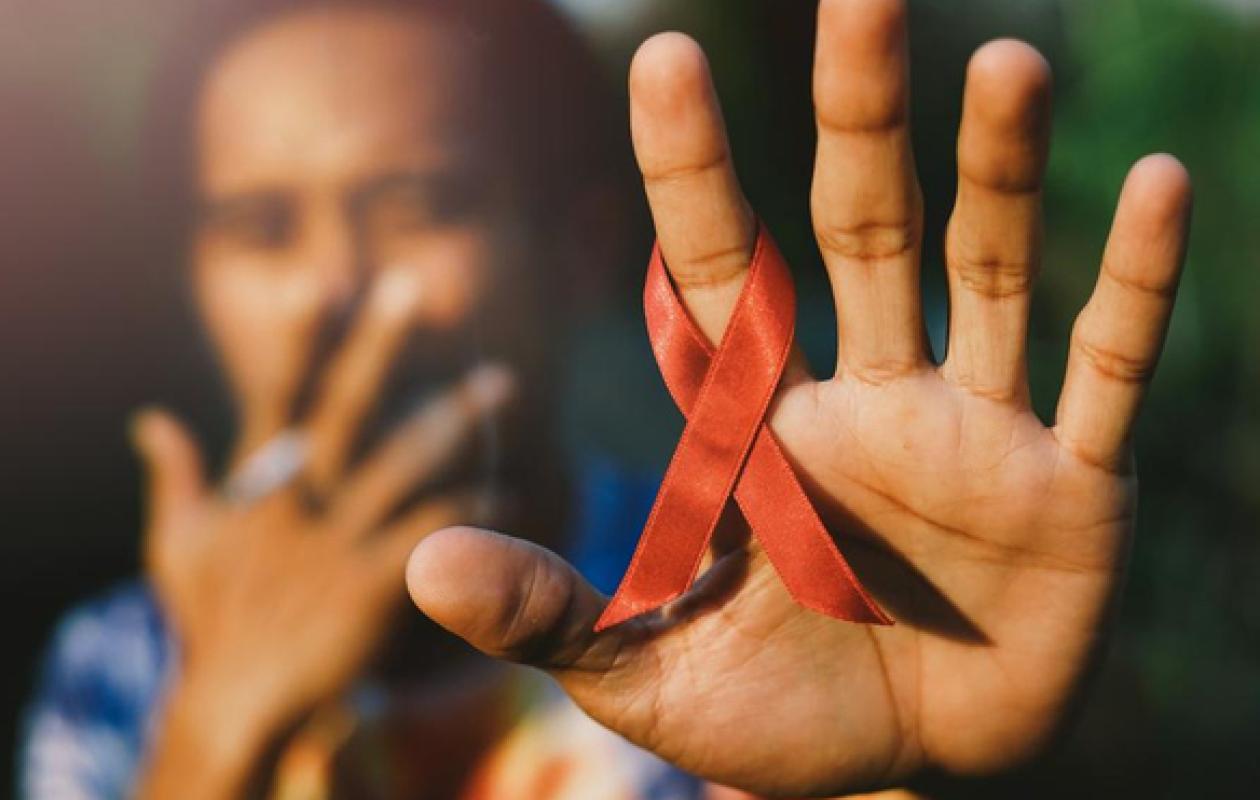
[Focus] Loi sur le VIH : les avancées médicales bousculent le cadre juridique
Adopted on April 9, 2010, Law No. 2010-03 concerning HIV/AIDS represented a major step forward in protecting the rights of people living with HIV (PLHIV) in Senegal. It established strong principles: voluntary testing, strict confidentiality, prohibition of discrimination, free access to antiretroviral drugs, and ethical guidelines for research. However, fifteen years later, the scientific landscape has changed dramatically, and some provisions of the law now appear outdated in light of current knowledge.
For example, in 2010, antiretroviral treatment was already available, but its impact on transmission was not yet fully integrated into public policy. It should also be noted that since then, international studies have established a now-recognized principle: "a person living with HIV on effective treatment, with an undetectable viral load, does not transmit the virus sexually." This concept, summarized by the formula "Undetectable = Untransmittable (U=U)," has transformed the approach to prevention and thus gives a new perspective to transmission, whatever form it may take. Furthermore, pre-exposure prophylaxis (PrEP) and the expansion of community-based testing have modified epidemic control strategies. In this new context, certain penal provisions of the law deserve to be examined. In other words, science can now expose what the law still takes for granted.
The criminalization of voluntary transmission in question
Article 36 provides for prison sentences of 5 to 10 years for anyone who, knowing their HIV-positive status, engages in unprotected sex with the intention of transmitting HIV. However, while the law excludes prosecution in cases of condom use or lack of knowledge of status, it does not explicitly address the situation of a person on treatment with an undetectable viral load. Yet, scientifically, the risk of transmission in this case is nil.
Public health stakeholders believe that "maintaining broad criminalization can be counterproductive: discouraging testing (it's better not to know than to risk prosecution) and reinforcing stigma by fostering a perception of HIV as a criminal threat rather than a health issue." It's important to understand that the law was conceived before the integration of PrEP. In 2010, PrEP was not included in national strategies. Today, it is a major prevention tool for people at high risk. However, "the law is built around a protection logic primarily focused on the HIV-positive individual, without fully integrating the new biomedical tools that share responsibility for prevention. The current approach relies more on a combined approach: treatment, regular testing, PrEP, harm reduction, and information," according to a concept note from the National AIDS Council (CNLS).
Confidentiality and partner notification: a delicate balance
The law regulates the disclosure to a spouse or sexual partner, allowing, under certain conditions, a doctor to inform the partner if the risk of transmission is real. But what does "real risk" mean in the age of undetectable HIV? Here again, the legal definition would benefit from being aligned with the current state of scientific knowledge to avoid excessive or stigmatizing interpretations.
However, the 2010 law remains progressive in several respects: strict prohibition of discrimination, free access to antiretroviral drugs, protection of the rights of women and children, and penalties for the dissemination of false information. It remains a cornerstone of the national response.
Is an update necessary?
The aim is not to weaken legal protection, but to align it with scientific realities and current strategies. At a time when international objectives are focused on the sustainable control of the epidemic, a targeted revision could explicitly incorporate the principle "undetectable = untransmissible," clarify the concept of intentional transmission, harmonize criminal provisions with a public health approach, and strengthen the fight against stigmatization.
Science has progressed. The law, too, must evolve to remain a tool for protection and not an obstacle to the response. Fifteen years after its adoption, the HIV law in Senegal thus opens a new debate: how to reconcile justice, public health, and scientific advances in the fight against the epidemic?
























Commentaires (2)
Participer à la Discussion
Règles de la communauté :
💡 Astuce : Utilisez des emojis depuis votre téléphone ou le module emoji ci-dessous. Cliquez sur GIF pour ajouter un GIF animé. Collez un lien X/Twitter, TikTok ou Instagram pour l'afficher automatiquement.