Homosexualité : inné ou acquis ? Regards croisés de spécialistes sur une question brûlante
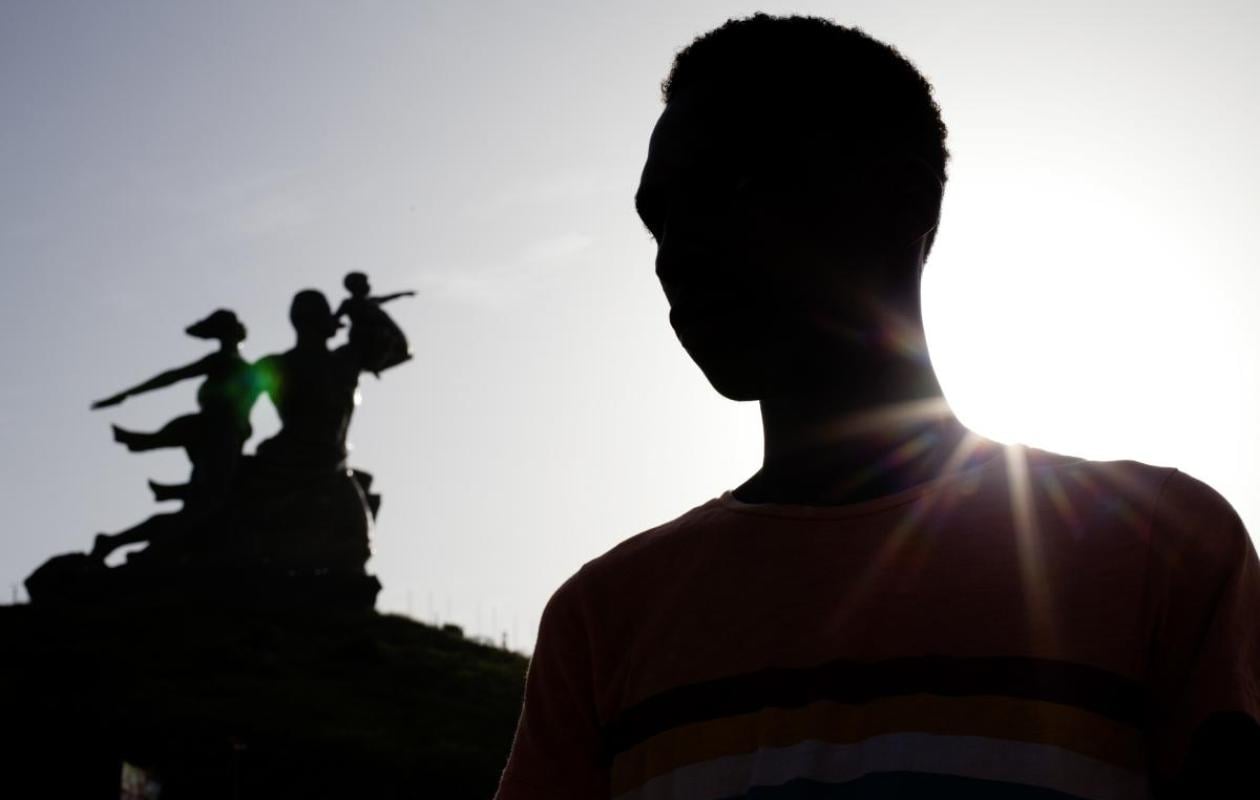
Imprisoned in Senegal in 2021 for "acts against nature," a charge under the Penal Code, Ibrahima Ibou left the country for France in 2024. His story sheds light on a life marked by social rejection and legal constraints. "With this law, they will condemn many Senegalese who contribute to the country's development," he laments.
In a context where homosexuality remains a sensitive subject, his story revives a fundamental debate: is it an individual choice or an innate orientation?
Innate orientation or choice: a debate that remains lively
Long considered a mental disorder, homosexuality is now recognized by the World Health Organization (WHO) as a sexual orientation. However, in Senegal, perceptions remain divided.
In the public eye, some continue to associate it with choice, education, or social change. This interpretation is nuanced, or even challenged, by several specialists, who rely on scientific research.
What the experts say
When asked about the issue, a Senegalese mental health expert and psychologist, Mr. Diakhaté, mentioned a combination of factors. "Biological elements, particularly hormonal ones, can play a role. Research in biology and neuroscience tends to show that sexual orientation is largely innate," he explained.
According to him, the social and family environment primarily influences the expression of behaviors. "An individual can be influenced by their environment without this changing their fundamental orientation," he explains.
In a context marked by stigmatization, this reality pushes many people to live their orientation discreetly, with possible consequences on their psychological balance: stress, anxiety or isolation.
From his perspective, Stéphane Brice, a doctoral student specializing in gender issues in Africa at the University of Madrid, takes a more decisive stance: "One does not become homosexual, one is born homosexual, just as one is born heterosexual." According to him, neither social pressures, nor forced marriages, nor certain practices change sexual orientation.
He also points out that homosexual behavior has been observed in different societies and in the animal world, fueling research on this issue.
The weight of the legal framework
In Senegal, Article 319-bis of the Penal Code punishes "unnatural acts" between persons of the same sex, with sentences of up to five years imprisonment, accompanied by fines.
This legal framework has concrete repercussions on the lives of those affected. Ibrahima's testimony illustrates these tensions between individual experience and legislation.
According to the doctoral student, "legal constraint has no effect on the orientation itself, but can influence the living conditions of individuals."
Between science, society and cultural norms
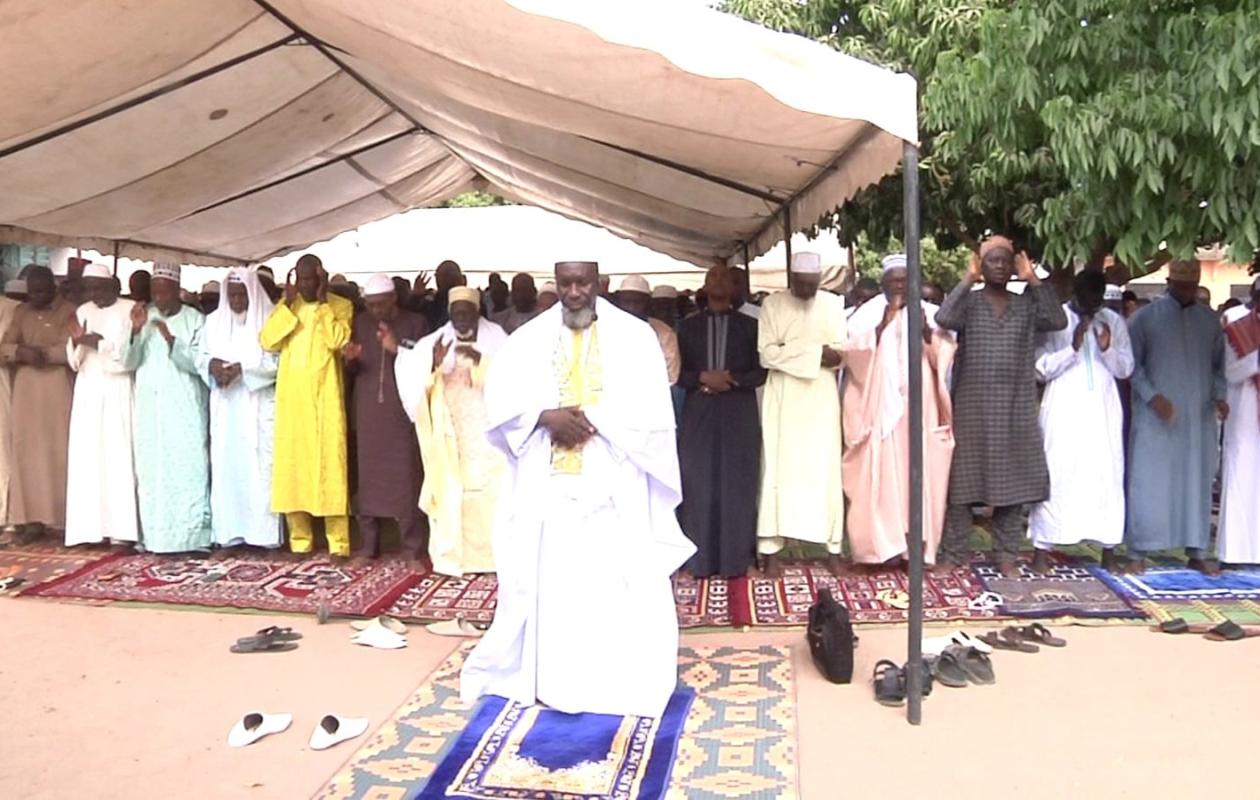
In Senegal, where cultural and religious references largely structure social representations, the question of homosexuality goes beyond the scientific framework. It is part of a broader debate, mixing values, social norms and legal considerations.
The experts interviewed agree on one point: while the origin of sexual orientation is widely studied by science, its acceptance and expression remain deeply linked to the social context.
Between scientific approaches and social perceptions, the debate on homosexuality in Senegal remains open.












Commentaires (53)
Participer à la Discussion
Règles de la communauté :
💡 Astuce : Utilisez des emojis depuis votre téléphone ou le module emoji ci-dessous. Cliquez sur GIF pour ajouter un GIF animé. Collez un lien X/Twitter, TikTok ou Instagram pour l'afficher automatiquement.