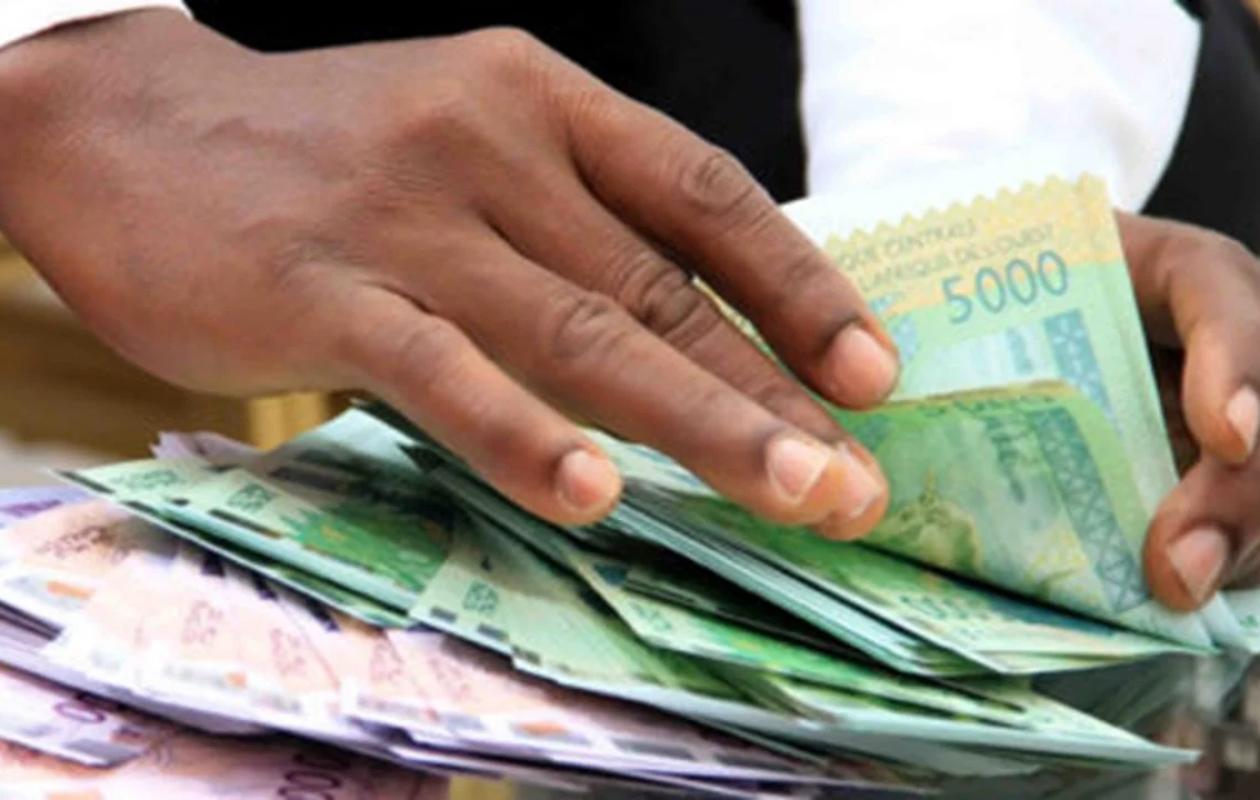
Eurobonds africains : vitrine de souveraineté ou engrenage budgétaire ?
For the past fifteen years or so, several African states have used Eurobonds to raise significant sums on international markets. Ghana, Ivory Coast, Senegal, Nigeria, and Angola, among others, have thus mobilized billions of dollars from international investors, often in just a few days. These issuances have been presented as a sign of financial credibility and increased integration into global capital markets.
The appeal of this instrument lies primarily in its speed and flexibility. Unlike concessional financing, Eurobonds are not subject to explicit political conditions. They offer governments considerable leeway to finance infrastructure, refinance existing debt, or support fiscal programs. In a context of high investment needs and domestic constraints, this ability to access markets directly appears as a marker of financial autonomy.
But this freedom comes at a price. The interest rates demanded by investors reflect their perception of sovereign risk. During periods of global instability, such as the Covid-19 pandemic or following the US monetary tightening that began in 2022, yields on African Eurobonds have risen sharply. Some countries have seen their spreads exceed 1,000 basis points, making any new issuance virtually impossible. Refinancing then becomes more expensive, or even inaccessible, exposing public finances to abrupt adjustments.
Ghana's recent experience illustrates this vulnerability. After a surge in bond issuances on international markets between 2013 and 2021, the country faced a growing interest burden and a loss of market access in 2022, leading to a restructuring of its external debt. Zambia, a pioneer of Eurobonds in sub-Saharan Africa, also experienced a default in 2020. These episodes serve as a reminder that foreign currency debt carries exchange rate risk and dependence on global financial cycles, which can quickly undermine fiscal sustainability.
However, calling Eurobonds a trap would be an exaggeration. Used judiciously, in proportions compatible with repayment capacity, and linked to revenue-generating projects, they can help diversify funding sources. The problem arises when these instruments are used to cover recurring deficits without structural reform, or when their maturity and cost are not aligned with the fiscal trajectory.
The question, therefore, is not to ban Eurobonds, but to control their use. Debt sustainability depends less on the instrument chosen than on fiscal discipline, the quality of the investments financed, and the management of exchange rate risk. Eurobonds can embody a form of financial sovereignty, provided they do not become a permanent substitute for necessary economic adjustments.





















Commentaires (2)
Participer à la Discussion
Règles de la communauté :
💡 Astuce : Utilisez des emojis depuis votre téléphone ou le module emoji ci-dessous. Cliquez sur GIF pour ajouter un GIF animé. Collez un lien X/Twitter, TikTok ou Instagram pour l'afficher automatiquement.