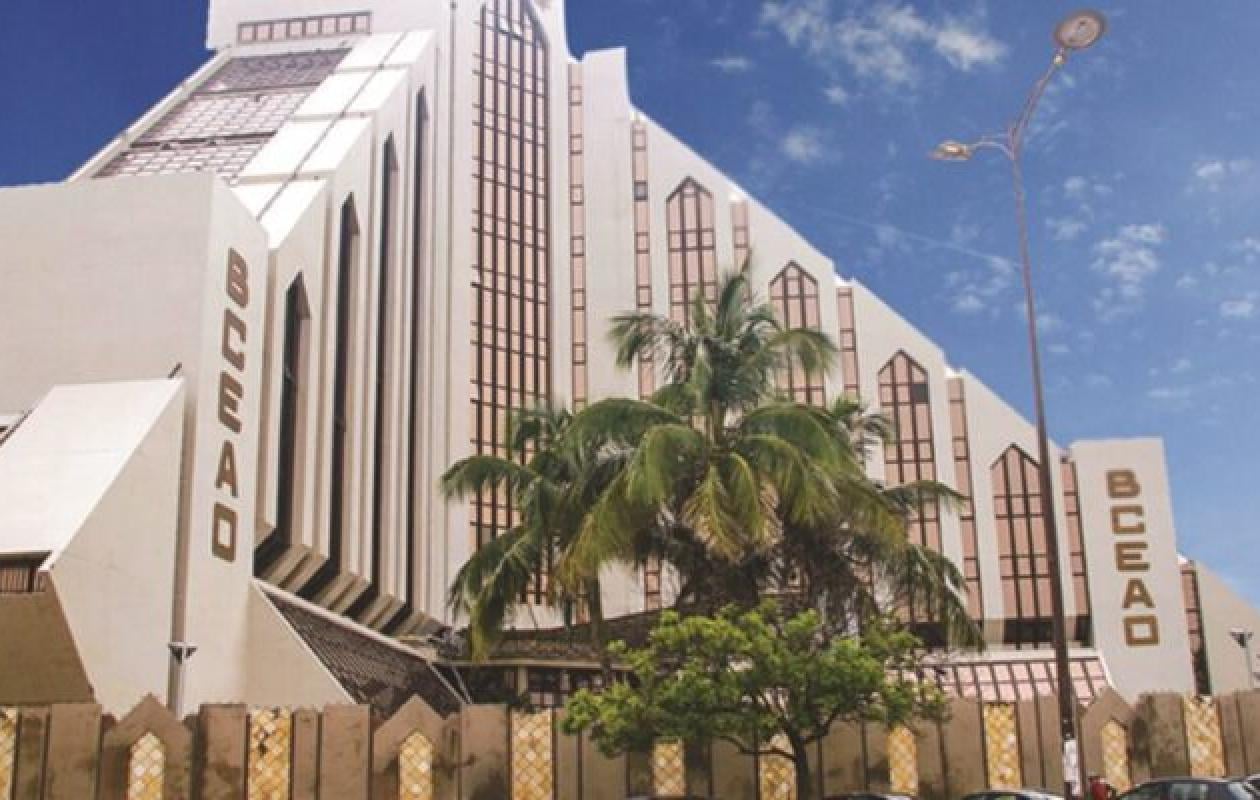
BCEAO : Le grand malentendu sur le pilotage de notre économie ?
Monetary policy is often described as a central lever for economic management. By adjusting its key interest rates or modulating refinancing conditions, a central bank is supposed to influence credit, investment, and ultimately, growth. This view remains relevant in economies where the financial system heavily supports productive activity. In Senegal, however, the reality is more nuanced.
The country does not have its own monetary authority. Decisions are made at the Union level by the BCEAO, whose primary mandate is to maintain price stability and preserve the soundness of the monetary framework. Its actions influence the overall cost of money, the financing conditions for banks, and, consequently, the environment in which economic actors operate.
The barrier of informality and access to credit
In theory, monetary easing reduces the cost of credit, encourages banks to lend more, and stimulates private investment. However, this chain of transmission relies on a set of conditions that are only partially met in the Senegalese economy. The first limitation lies in the size of the informal sector. According to estimates by the United Nations and the World Bank, nearly nine out of ten workers are employed in informal activities. This sector represents more than 40% of national wealth, and even more according to the African Development Bank.
A significant portion of economic activity thus bypasses traditional banking channels. Under these conditions, a change in key interest rates does not immediately alter the economic behavior of the vast majority of economic actors. Merchants, artisans, and farmers rely primarily on alternative mechanisms: personal savings, rotating savings and credit associations (ROSCAs), microfinance, or supplier advances. Monetary policy therefore operates on the periphery of this reality.
Even within the formal sector, access to credit remains limited. According to the World Bank, only 22.6% of Senegalese businesses have access to structured bank financing. For small businesses, collateral requirements—sometimes exceeding four times the loan amount—significantly restrict the flow of credit to productive activities. This results in a concentration of financing among large companies and public entities, leaving SMEs on the margins.
Liquidity: the central bank's preferred area
At the same time, banks are finding an attractive alternative in government bonds. Sovereign bonds offer competitive returns with controlled risk, thus diverting a significant portion of liquidity towards financing governments rather than private projects. It is precisely in this area that the BCEAO's actions are most tangible: they directly influence the flow of liquidity within the banking system.
In February 2026, the average weekly volume of interbank transactions in the WAEMU reached 861.9 billion CFA francs, compared to 778.8 billion the previous month, representing an increase of 10.7%. At the same time, the average one-week interest rate fell from 4.79% to 4.19%, reflecting an easing of financing conditions between institutions. However, this abundance does not automatically translate into increased credit to the real economy, as banks remain cautious about the risk of default.
The influence of the BCEAO thus appears real, but limited. It shapes monetary equilibrium and secures the banking system, but does not directly determine the allocation of productive credit. The issue extends beyond the monetary framework to encompass structural challenges: formalization of the economy, quality of financial information, and security of guarantees. Without progress in these areas, the central bank's actions will continue to primarily affect liquidity, without fundamentally transforming the conditions for financing development.
























Commentaires (2)
Participer à la Discussion
Règles de la communauté
💡 Astuce : Utilisez des emojis depuis votre téléphone ou le module emoji ci-dessous. Cliquez sur GIF pour ajouter un GIF animé. Collez un lien X/Twitter, TikTok ou Instagram pour l'afficher automatiquement.
Se connecter
Commentez avec votre profil, votre photo, et soyez averti des réponses.