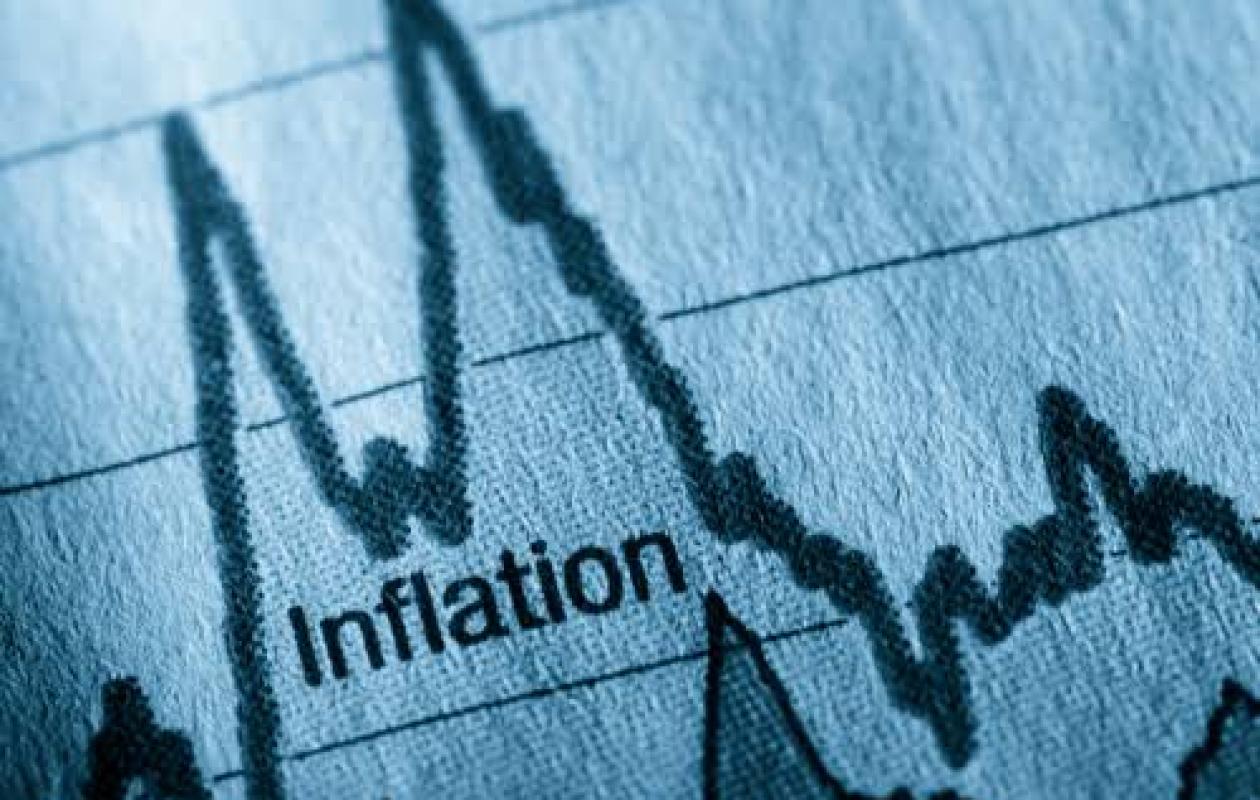
Comprendre l’inflation pour mieux décrypter les décisions des banques centrales
When a household finds that its grocery bill is higher than it was a few months ago, that filling up with gas is more expensive, or that rents are rising faster than incomes, it is directly experiencing the effects of inflation. Behind this very concrete reality, however, lies a complex economic phenomenon with multiple possible origins, the management of which sometimes requires delicate trade-offs for governments and central banks.
Inflation refers to a sustained and widespread increase in prices within an economy. It is not simply a temporary rise in the price of a particular product. A poor harvest might temporarily increase the price of a vegetable without necessarily causing inflation. To characterize this phenomenon, the increase must affect a significant portion of the goods and services consumed by households.
This trend is measured through price indices constructed from a representative basket of consumption. In the WAEMU, the BCEAO notably monitors the evolution of the harmonized consumer price index in order to accurately assess inflationary pressures within the Union.
Exogenous shocks to imported inflation
For several years, inflation remained relatively moderate in West Africa. However, the situation shifted dramatically starting in 2021 and especially in 2022, due to a combination of shocks. The global recovery following the Covid-19 pandemic put significant strain on supply chains, while the war in Ukraine led to soaring prices for cereals, fertilizers, and energy. In several African countries, these exogenous factors compounded the effects of droughts, floods, and local disruptions to supply chains.
The example of wheat perfectly illustrates this mechanism. Russia and Ukraine together account for a significant share of the global trade in this grain. When exports were disrupted following the outbreak of the conflict in February 2022, international prices skyrocketed. Importing African countries quickly felt the effects of this price increase, which was subsequently passed on to the price of bread, pasta, and many other processed products.
Inflation can therefore stem from an external shock. In this case, prices rise because raw materials, energy, or imported goods become more expensive. Economists then refer to this as *imported inflation*. This phenomenon particularly affects economies that are heavily dependent on foreign markets for their food, energy, or industrial inputs.
Other inflationary episodes originate more from domestic demand. When consumption grows much faster than production capacity, businesses tend to raise their prices in the face of a large and solvent customer base. This mechanism has been observed at various times in some developed economies where demand growth structurally exceeded that of available supply.
Production costs are also a determining factor. Increases in wages, electricity prices, fuel costs, or raw material prices can lead companies to pass on some of these costs to their selling prices. In this scenario, inflation results more from an increase in production costs than from excess demand.
The central banks' dilemma: credit arbitrage
This diversity of causes explains why inflation is sometimes difficult to control. The tools available to central banks primarily affect demand and credit. When they raise their key interest rates, they aim to make borrowing more expensive in order to slow consumption and investment. The logic is simple: if households and businesses borrow less, the pressure on prices tends to decrease.
The US Federal Reserve (Fed), the European Central Bank (ECB) and many other monetary institutions followed this strategy after the inflationary surge observed between 2021 and 2023. Interest rates increased at a rate rarely seen in several decades in order to curb the price drift.
This approach, however, produces significant side effects. Higher credit costs can slow business investment, freeze the housing market, and reduce the pace of economic growth. Monetary authorities are then faced with a complex trade-off: acting sufficiently to contain inflation without causing an excessive slowdown in economic activity.
The task becomes even more difficult when inflation stems primarily from external factors. A central bank can influence credit or domestic consumption, but it has no power over the global price of a barrel of oil or over a crop destroyed by drought. In these situations, the room for maneuver becomes extremely limited.
West Africa has experienced several episodes illustrating this reality. When international prices for fuel or basic foodstuffs skyrocket, authorities have few levers at their disposal to immediately reverse these increases. Some governments then choose to temporarily subsidize certain products or reduce customs duties and taxes to mitigate the impact on households. While these measures ease purchasing power, they place a heavy burden on public finances.
Asymmetrical impacts and a collective challenge
Inflation does not affect everyone in the same way. Low-income households are consistently the most vulnerable, as a significant portion of their income is devoted to essential expenses such as food, transportation, and housing. When the prices of these basic necessities rise rapidly, their ability to purchase other goods and services is automatically reduced.
For governments, the consequences extend far beyond the issue of purchasing power alone. High inflation complicates long-term investment decisions, reduces business visibility, and increases the risk of social unrest. It can also raise the cost of financing public debt, as investors demand higher returns to compensate for the erosion of their money's value.
This is precisely why price stability remains one of the main objectives assigned to central banks in most regions of the world. While excessively low inflation can signal a sluggish economy, excessively high inflation often ends up disrupting the economic decisions of households, businesses, and governments.
The experience of recent years has shown that inflation is never the product of a single cause. It generally results from a complex combination of international, domestic, monetary, energy, climatic, and logistical factors. This multiplicity explains why it regularly returns to the forefront of economic debates and why the responses implemented by authorities do not always produce the desired effects as quickly as governments or citizens hope.












![[ EXCLUSIF ] Plus de 25 millions volés à un magistrat du PJF à son domicile : son fils arrêté en flagrant délit par la sûreté urbaine](https://image.seneweb.com/content/news/2026-25-21//thumb_1260x800_6a3810538bbae_hxf6ZueZvp.jpeg)











Commentaires (3)
Participer à la Discussion
Règles de la communauté :
💡 Astuce : Utilisez des emojis depuis votre téléphone ou le module emoji ci-dessous. Cliquez sur GIF pour ajouter un GIF animé. Collez un lien X/Twitter, TikTok ou Instagram pour l'afficher automatiquement.