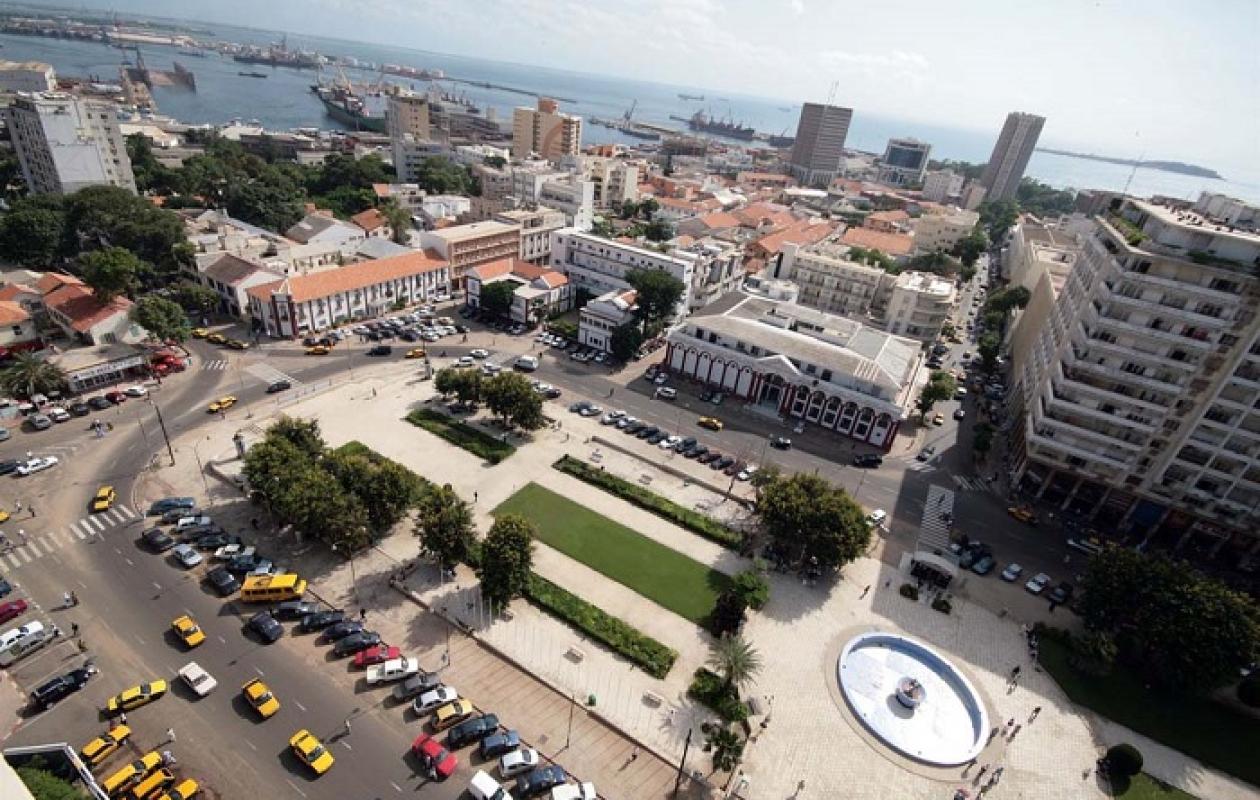
Dakar face à Abidjan, Libreville, Bamako... : la capitale sénégalaise, championne des prix élevés ?
Housing, food, fuel: living in Dakar is becoming increasingly expensive. According to several comparative studies, the Senegalese capital now outstrips major cities like Abidjan, Cotonou, Libreville, and Bamako in terms of the cost of living. This situation is worrying households and raising questions among the authorities.
A capital with galloping prices
Dakar, renowned for its economic and cultural dynamism, has also become one of the most expensive cities in West Africa. We interviewed several citizens of neighboring countries to gather mixed opinions. According to several recent reports, including those from the DUNDU Scientific Commission for the Environment and Living Conditions, life in Dakar "costs an arm and a leg."
Lyss, a Gabonese woman, lived in Dakar for three and a half years. She shares her perspective on the cost of living in the Senegalese capital, comparing it with her home country, Gabon. "Life in Dakar is indeed expensive. In Libreville, single rooms range from 50,000 to 60,000. The room I occupied in Dakar cost 75,000 in shared houses? This type of accommodation remains quite expensive, especially for students."
The housing figures corroborate this testimony. According to Numbeo (2025), rent for a 1-bedroom apartment in downtown Dakar costs around 400,000 - 500,000 FCFA/month, compared to 300,000 FCFA in Abidjan or 200,000 FCFA in Bamako. Libreville is comparable (50,000 - 100,000 FCFA for a room), but Cotonou is much more affordable (30,000 FCFA, as mentioned in the text). Land speculation in Dakar, due to rapid urbanization, is pushing up prices by 20-30% per year, making the capital more expensive than Bamako or Cotonou for low-income households.
“Between Dakar and Cotonou, it’s night and day”
Mickaël, a young professional, compares his experience between Dakar and Cotonou. "I think that between Dakar and Cotonou, it's night and day when it comes to the cost of living. Fuel costs me almost a thousand francs, or 990 FCFA/l of gasoline, and in Cotonou 695/l. For accommodation, a room with a shower costs 75,000 in Dakar and only 30,000 in Cotonou. In my opinion, the rising cost of living in Dakar can be explained by three main factors: land speculation, soaring real estate prices, and imported inflation, linked to rising global prices."
On the food side, the average basket is also more expensive in Dakar. An Ivorian national claims that in Abidjan, he can eat on 500 CFA francs, which is much more difficult in Dakar. Numbeo's study confirms this high cost of food in the Senegalese capital compared to other parts of the sub-region. Overall, Dakar is 20-30% more expensive for food than Cotonou or Bamako.
Faced with this situation, calls for state intervention are increasing. Rent control, targeted food subsidies, import regulation: the avenues are numerous, but their implementation remains tentative.
















Commentaires (5)
Dieu seul sait !
Les gens (commerçants et vendeurs) augmentent les prix exagérément sans sourciller d'un quartier à un autre, d'une rue à l'autre. Les bailleurs, même ceux ayant amorti leurs investissements, s'alignent sur "les prix du marché", vivant ainsi d'une rente; les "courtiers" les y encouragent pour leur propre compte.
Pas de contrôle, pas de sanction, pas de correction, pas de politique de retour à la normalité: ceux qui étaient censés représenter le pouvoirs public, dès qu'ils ont un bon salaire et peuvent faire face à cette surenchère sur l'habitat et les denrées, n'ont plus d'yeux pour les laisser-pour-compte.
Participer à la Discussion
Règles de la communauté :
💡 Astuce : Utilisez des emojis depuis votre téléphone ou le module emoji ci-dessous. Cliquez sur GIF pour ajouter un GIF animé. Collez un lien X/Twitter, TikTok ou Instagram pour l'afficher automatiquement.