
Crise de la dette au Sénégal : Face au mur de la transparence et des choix difficiles
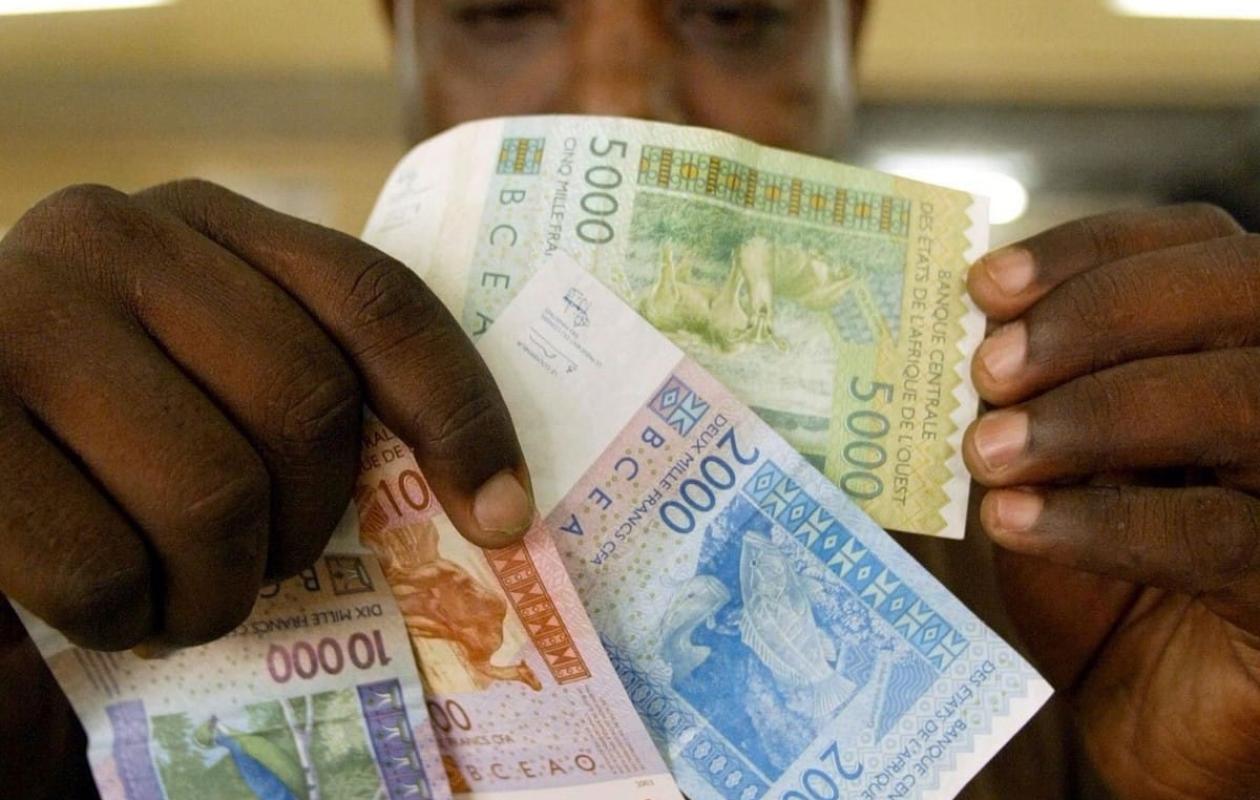
For nearly two years, the issue of Senegal's public debt has fueled debate, controversy, and speculation. Revealed to the public in 2024 by the authorities elected after the change in government, the true extent of the state's debt continues to generate misunderstandings and tensions. A guest on the "Sunday Jury" program on Iradio, Professor Abdoulaye Ndiaye, an economist at New York University, offered a straightforward explanation: Senegal is facing an underestimated debt, the severity of which now demands courageous decisions. According to the economist, the semantic debate must be moved beyond. Debt described as "hidden" does not mean that it does not legally exist, but rather that it has not been properly declared to international financial partners, particularly the International Monetary Fund (IMF), the creditor of last resort. The figures presented are unprecedented: approximately $11 billion of debt not reported according to international standards, a level that places Senegal among the most serious cases of underreporting observed worldwide. This situation stems primarily from a discrepancy between commitments made and disbursements actually recorded, thus distorting the true picture of public debt. "We are facing a wall. The question is no longer whether it exists, but how to get out of it," asserts Abdoulaye Ndiaye.
A shocking truth for the Senegalese economy
Far from engaging in a political debate pitting the government against the opposition, the economist calls for a clear-sighted and collective assessment of the situation. The debt must be honored, including interest. This inevitably reduces budgetary flexibility, in an international context marked by rising interest rates and declining development aid. This situation exacerbates the crisis: less concessional financing, stricter repayment constraints, and increased pressure on public finances. For Abdoulaye Ndiaye, the priority must be complete transparency in order to restore the state's credibility with its partners and citizens.
The Court of Auditors as an institutional compass
In this context, the Court of Auditors' report appears as a central document. The economist emphasizes its national and sovereign nature: it is a Senegalese institution with recognized expertise, whose conclusions should serve as the basis for discussions. He also calls for the full publication of any audit or report used to establish the true state of the debt, considering access to information a fundamental right of citizens and an essential condition for a calm debate.
Getting out of the crisis: austerity, choices and structural reforms
While the diagnosis is dire, Abdoulaye Ndiaye rejects any fatalistic stance. According to him, the way out of the crisis lies in a combination of fiscal discipline, prioritizing spending, and profound structural reforms. The state must refocus on its role as regulator and facilitator, giving the private sector more room to create wealth and jobs. Reducing rent-seeking, improving productivity, and better mobilizing tax revenue are essential levers. "Debt is not inevitable, but denying it is," he warns. Beyond the figures, the debt crisis raises a question of governance. It tests Senegal's ability to confront its economic realities with responsibility, transparency, and education. For Professor Ndiaye, it is also a moment of democratic truth: telling citizens the truth, even when it is difficult, is the only path to a lasting solution to the impasse.






![[EXCLUSIF] Expulsion de la famille Srour : L'accusée Khady Diagne se prononce, documents à l'appui](https://image.seneweb.com/content/news/2026-20-14//thumb_1260x800_6a05cc2715573_a9nMMiStMC.jpg)











Commentaires (4)
Participer à la Discussion
Règles de la communauté :
💡 Astuce : Utilisez des emojis depuis votre téléphone ou le module emoji ci-dessous. Cliquez sur GIF pour ajouter un GIF animé. Collez un lien X/Twitter, TikTok ou Instagram pour l'afficher automatiquement.