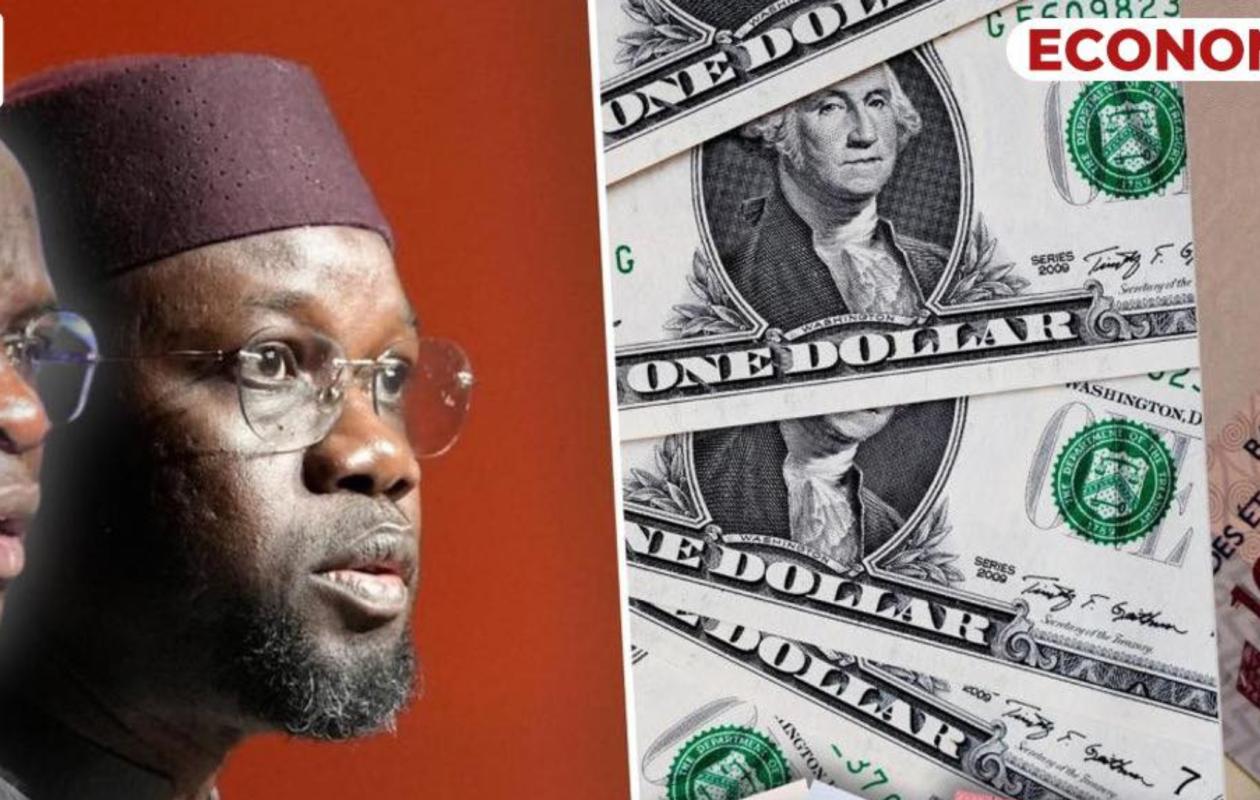
Dette sénégalaise : Les scénarios à haut risque d’une crise sous tension
Senegal's public debt has reached a critical level, forcing the country to make particularly difficult economic choices. At a workshop organized by the International Budget Partnership (IBP), Professor Abdoulaye Ndiaye, a New York-based researcher, and economist Martin Kessler presented a frank assessment of the options for resolving the crisis, highlighting their economic, social, and political consequences.
According to Professor Abdoulaye Ndiaye, the current situation follows the classic trajectory of sovereign debt crises observed worldwide, while also presenting specific characteristics linked to the national context. He describes this analysis as a strategic compass intended to guide decision-makers without imposing a single solution. The crisis is considered classic due to its sequence of declining market confidence, but exceptional thanks to Senegal's membership in the West African Economic and Monetary Union (WAEMU), which mitigates certain exchange rate risks. The figures illustrate the scale of the challenge, with a debt-to-GDP ratio fluctuating between 119% according to the authorities and 132% according to the International Monetary Fund (IMF), a discrepancy explained by the inclusion or exclusion of certain public enterprises in the calculation.
Sustainability, a central issue in the crisis
The fundamental question lies not only in the overall volume of debt, but in the country's actual capacity to honor its financial commitments. Professor Ndiaye reminds us that one becomes ill from the stock, but it is the flow that kills, thus emphasizing the burden of annual debt servicing. Stabilizing the debt would require a profound transformation of public finances, forcing Senegal to move from a primary deficit of 9% in 2024 to a surplus of 1% to 2% in the coming years—an adjustment rarely achieved without major natural resources.
Full reimbursement: an option under significant constraints
Martin Kessler, director of the Finance for Development Lab think tank, analyzed the possible scenarios, emphasizing that debt crises are rarely resolved without sacrifices. The option of fully honoring commitments would require extremely significant budgetary efforts. With financing needs estimated at 15 trillion CFA francs over the 2026-2028 period, a substantial deficit would remain even with support from the IMF and the World Bank. Senegal would need to raise approximately $8 billion per year, a difficult target to achieve without access to international financial markets.
The limits of international support and the risk of restructuring
IMF intervention remains contingent on debt sustainability, while bilateral financing from Gulf countries or China often involves conditions such as privatizations. Furthermore, recourse to the WAEMU regional financial market carries risks of transferring fragility to regional banks.
Faced with these constraints, restructuring appears as a possible, albeit sensitive, option. Martin Kessler warns that delaying this decision could worsen the situation, while clarifying that a default does not necessarily mean permanent exclusion, citing the example of Ghana, which regained a favorable rating after a profound restructuring.
A decisive turning point for the national economy
In conclusion, resolving the crisis will largely depend on the commitment of technical and financial partners, as well as close cooperation between creditors such as France and China. For Abdoulaye Ndiaye, the main challenge lies in anticipating the consequences of each option in order to preserve economic stability. Managing this crisis represents a pivotal moment for the Senegalese economy and the financial equilibrium of the entire West African region.














Commentaires (6)
Participer à la Discussion
Règles de la communauté :
💡 Astuce : Utilisez des emojis depuis votre téléphone ou le module emoji ci-dessous. Cliquez sur GIF pour ajouter un GIF animé. Collez un lien X/Twitter, TikTok ou Instagram pour l'afficher automatiquement.