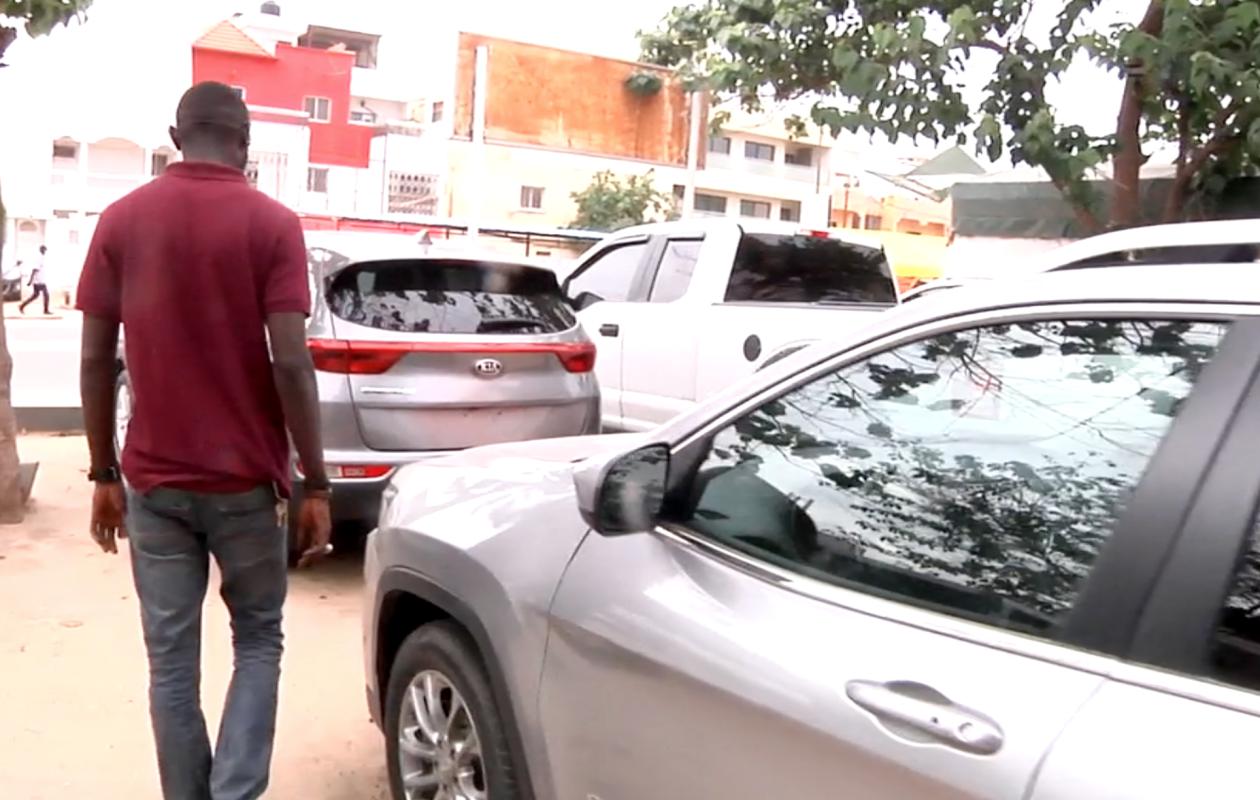
La classe moyenne sénégalaise existe-t-elle vraiment ?
In official discourse and some international analyses, the emergence of a middle class is often presented as a sign of an economy transitioning towards greater prosperity and stability. In Senegal, this category is generally defined based on income thresholds or consumption levels. However, behind the averages and aggregate indicators, the reality appears more nuanced and sometimes more fragile than it seems.
The African Development Bank defines the African middle class as those with daily expenditures between $2 and $20 in purchasing power parity. Within this broad range, it identifies a so-called "floating" segment, spending between $2 and $4 per day, which is particularly vulnerable to economic fluctuations. Applied to the Senegalese context, this breakdown reveals that a significant proportion of households classified as middle class are living very close to the poverty line. The slightest variation in food prices, a rent increase, or job loss can be enough to destabilize the entire family budget.
World Bank data indicates that approximately one-third of Senegalese live on less than $3.65 a day in purchasing power parity, the threshold used for lower-middle-income countries. Even among those above this level, savings remain limited and access to formal social protection is restricted. Stable salaried employment concerns only a minority of the working population, while the informal economy represents more than 90% of economic units, according to estimates from the Directorate of Forecasting and Economic Studies. This labor market structure reduces income security and increases vulnerability in the event of an economic downturn.
The 2020 health crisis highlighted this underlying vulnerability. Senegal's gross domestic product experienced a significant slowdown, and many urban households, despite being considered part of the middle class, saw their incomes plummet. Essential expenses, such as housing, private education, and loan repayments, then absorbed a growing share of available resources. This constant exposure to shocks distinguishes a middle class still consolidating from a firmly established one.
Another indicator sheds light on this reality. The coverage rate of pension and health insurance systems remains low outside the formal sector. The majority of households directly finance their health and education expenses, increasing the likelihood of falling into vulnerability in the event of an unforeseen event. Under these conditions, belonging to the middle class relies less on accumulated wealth than on a constantly strained income stream.
However, reducing the Senegalese middle class to a mere statistical illusion would be an oversimplification. A segment of households benefits from a higher level of education, access to credit, more stable employment, and the capacity to invest in real estate or entrepreneurship. This dynamic supports consumption, stimulates sectors such as telecommunications, finance, and real estate, and contributes to broadening the tax base.
The central question, therefore, is not its existence, but its resilience. As long as economic growth remains concentrated in sectors with low formal employment intensity and social protection covers only a minority, this middle class will remain vulnerable to economic shocks. Its consolidation will depend on the quality of jobs created, the broadening of the tax base, and the state's ability to provide reliable public services that reduce the share of unavoidable private spending.
The Senegalese middle class is neither a mirage nor a fortress. It constitutes an intermediate space under construction, whose stability depends closely on future economic and social choices.



















Commentaires (25)
Participer à la Discussion
Règles de la communauté
💡 Astuce : Utilisez des emojis depuis votre téléphone ou le module emoji ci-dessous. Cliquez sur GIF pour ajouter un GIF animé. Collez un lien X/Twitter, TikTok ou Instagram pour l'afficher automatiquement.
Se connecter
Commentez avec votre profil, votre photo, et soyez averti des réponses.