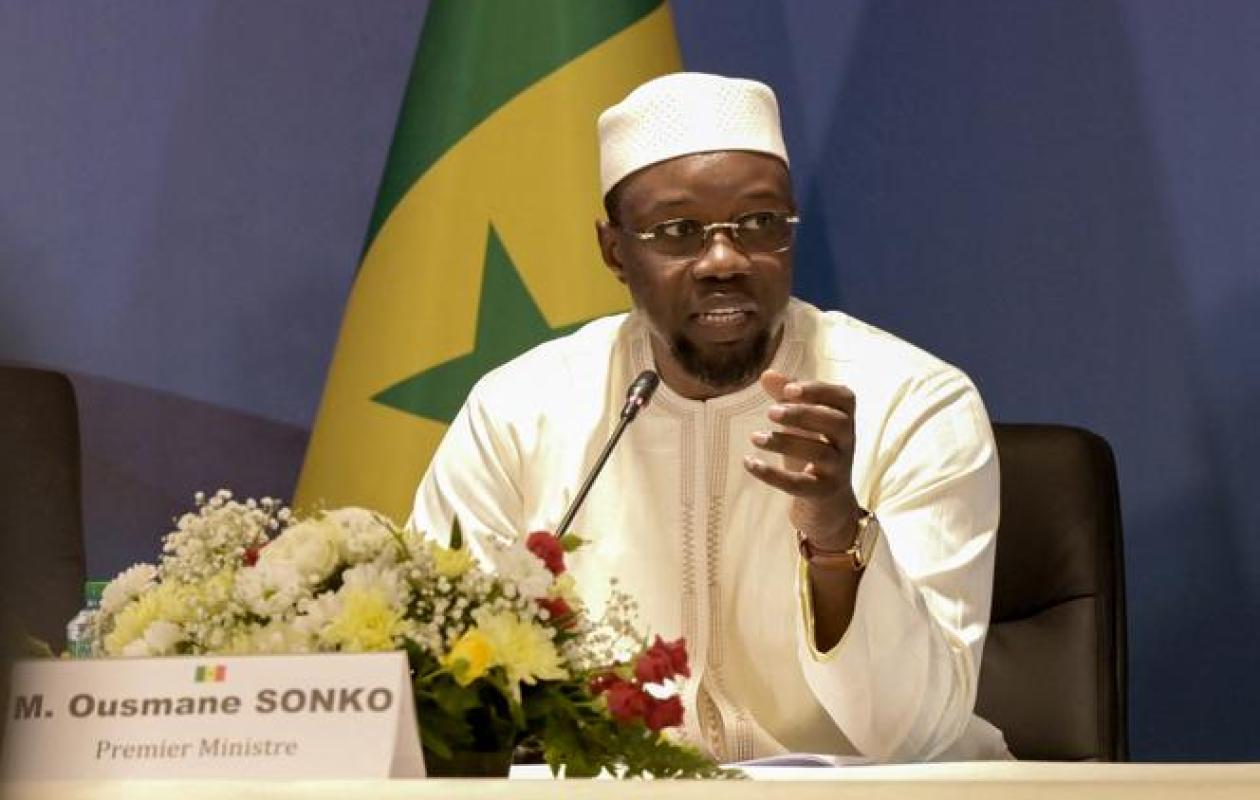
Souveraineté économique : Pourquoi le Sénégal doit d'urgence multiplier ses partenaires !
In an open economy, trade and financial relations with the outside world are essential. Imports of essential goods, foreign investment, international financing, and export markets structure a large part of economic activity. When these relationships are based on a limited number of partners, the economy becomes more vulnerable to external shocks. Diversifying trade then emerges as a crucial element for strengthening economic autonomy and mitigating the effects of international crises.
Foreign trade statistics show that trade often remains concentrated in a few areas. The European Union remains one of Senegal's main trading partners, for both imports and exports. China, India, and certain Middle Eastern countries also play a significant role in the supply of manufactured goods, energy products, and equipment. This concentration can become problematic when economic or geopolitical conditions change rapidly, as was observed during supply chain disruptions during the pandemic or during periods of rising energy prices.
The same question arises with regard to financing. Excessive reliance on a few donors or certain financial markets can reduce flexibility during periods of stress. When financing conditions tighten, states with limited sources of capital must accept higher costs or postpone certain projects. Expanding the range of partners, whether regional institutions, private investors, or new partner countries, allows for a better distribution of risks and avoids over-reliance on a single actor.
Diversification also extends to export markets. An economy that sells its products to a limited number of markets remains vulnerable to fluctuations in demand or changes in regulations. The development of trade with African countries, encouraged by the implementation of the Continental Free Trade Area, is often presented as an opportunity to expand markets and reduce dependence on traditional partners. Greater regional integration can also facilitate local processing and the creation of more diversified value chains.
However, diversification cannot be decreed. It requires improved competitiveness, more efficient logistics infrastructure, and a greater capacity to produce goods adapted to different markets. Without these conditions, trade naturally remains concentrated on the most accessible or most competitive partners. The diversification strategy must therefore be part of a broader economic policy, including industrialization, export development, and regional integration.
Expanding partnerships does not mean severing existing relationships, but rather reducing dependence on a few sources of supply or funding. In an international environment marked by uncertainty, this ability to broaden economic alliances is an important factor in stability and sovereignty.























Commentaires (10)
Participer à la Discussion
Règles de la communauté :
💡 Astuce : Utilisez des emojis depuis votre téléphone ou le module emoji ci-dessous. Cliquez sur GIF pour ajouter un GIF animé. Collez un lien X/Twitter, TikTok ou Instagram pour l'afficher automatiquement.