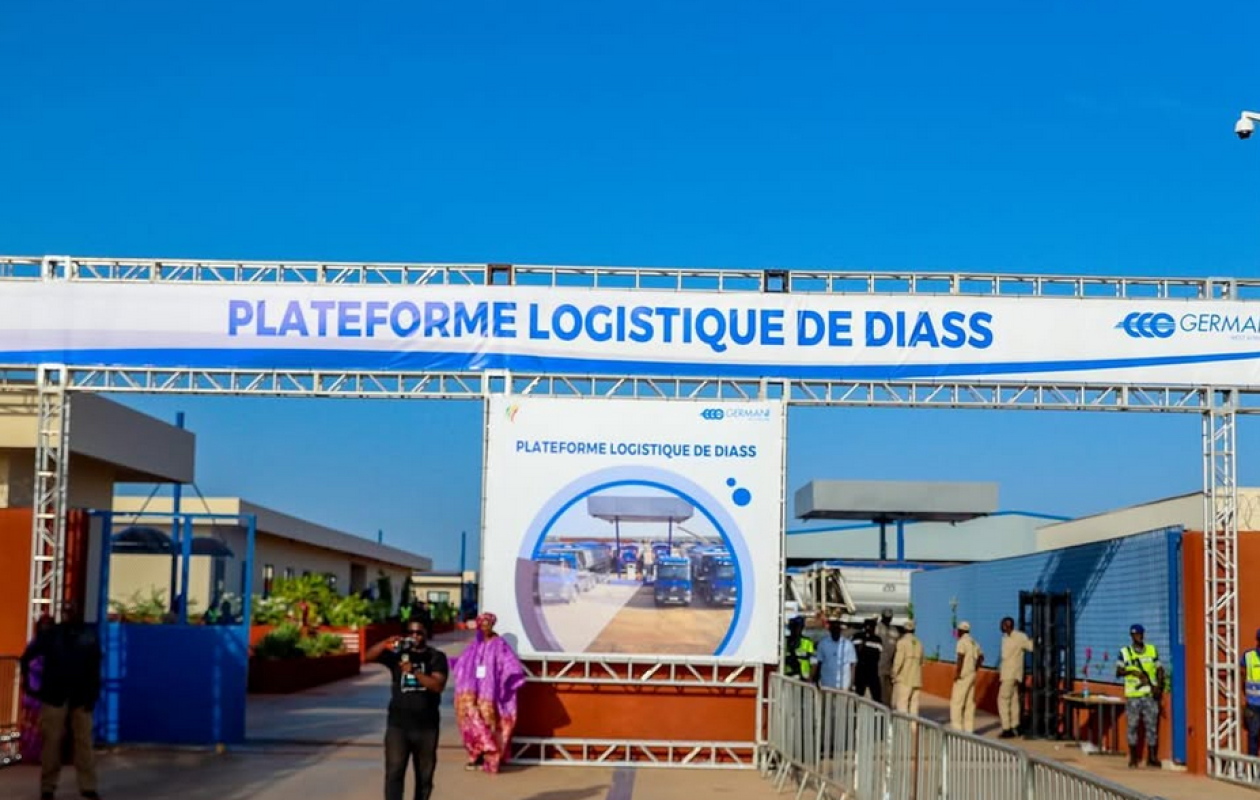
Les zones économiques face à l’épreuve de l’ancrage local
Across the continent, special economic zones have become a key instrument in industrialization strategies. Offering preferential tax regimes, simplified administrative procedures, and dedicated infrastructure, they promise to attract foreign capital and create manufacturing jobs. According to the United Nations Conference on Trade and Development, more than 7,000 such zones now exist worldwide, including several hundred in Africa.
Their rationale is well-known: to concentrate regulatory and logistical advantages within a specific area in order to reduce setup costs, accelerate development timelines, and offer a more predictable environment than the rest of the country. In Senegal, the Diass Integrated Special Economic Zone is part of this strategy. Its stated objective is to develop industrial and logistical activities, particularly in agribusiness, processing, and high-value-added services, leveraging its proximity to Dakar's international airport and port.
However, results observed internationally suggest a more nuanced perspective. In Ethiopia, industrial parks have contributed to a surge in textile exports over the past decade, fueled by Asian investment. In Mauritius, free trade zones have played a central role in economic diversification since the 1980s. Conversely, in several countries, these areas have remained partially occupied or poorly integrated into the national production system, limiting local benefits.
The crucial point lies in its integration with the surrounding economy. An area that imports most of its inputs, employs a low-skilled workforce without skills transfer, and re-exports its production without local roots generates a limited impact. The multiplier effects emerge when domestic suppliers integrate into value chains, when technical skills spread, and when infrastructure benefits the entire region.
The tax issue also deserves attention. The exemptions granted, sometimes for several years, represent a budget shortfall. A balanced budget is justified if the investments generated create formal jobs, broaden the productive base, and stimulate exports. Otherwise, the zone risks becoming an enclave enjoying significant advantages without a proportionate contribution to public finances.
International experience shows that regulatory stability and quality infrastructure carry more weight than tax incentives alone. Reliable energy, efficient logistics, legal certainty, and the availability of specialized skills are essential for the long-term viability of industrial facilities. Without these elements, investors may withdraw as soon as the temporary advantages fade.
Special economic zones are neither an automatic solution nor a mere public relations exercise. They can become a driver of industrialization if they are part of a coherent strategy focused on local integration, training, and productive diversification. Their effectiveness is measured less by the number of announcements than by the depth of the transformations they bring about in the national economy.













![[Édition Spéciale] Tout Sur la Composition du Nouveau Gouvernement](https://image.seneweb.com/content/news/2026-23-01//thumb_1260x800_6a1ddca812d4e_URisx1rdt4.jpg)










Commentaires (2)
Participer à la Discussion
Règles de la communauté :
💡 Astuce : Utilisez des emojis depuis votre téléphone ou le module emoji ci-dessous. Cliquez sur GIF pour ajouter un GIF animé. Collez un lien X/Twitter, TikTok ou Instagram pour l'afficher automatiquement.