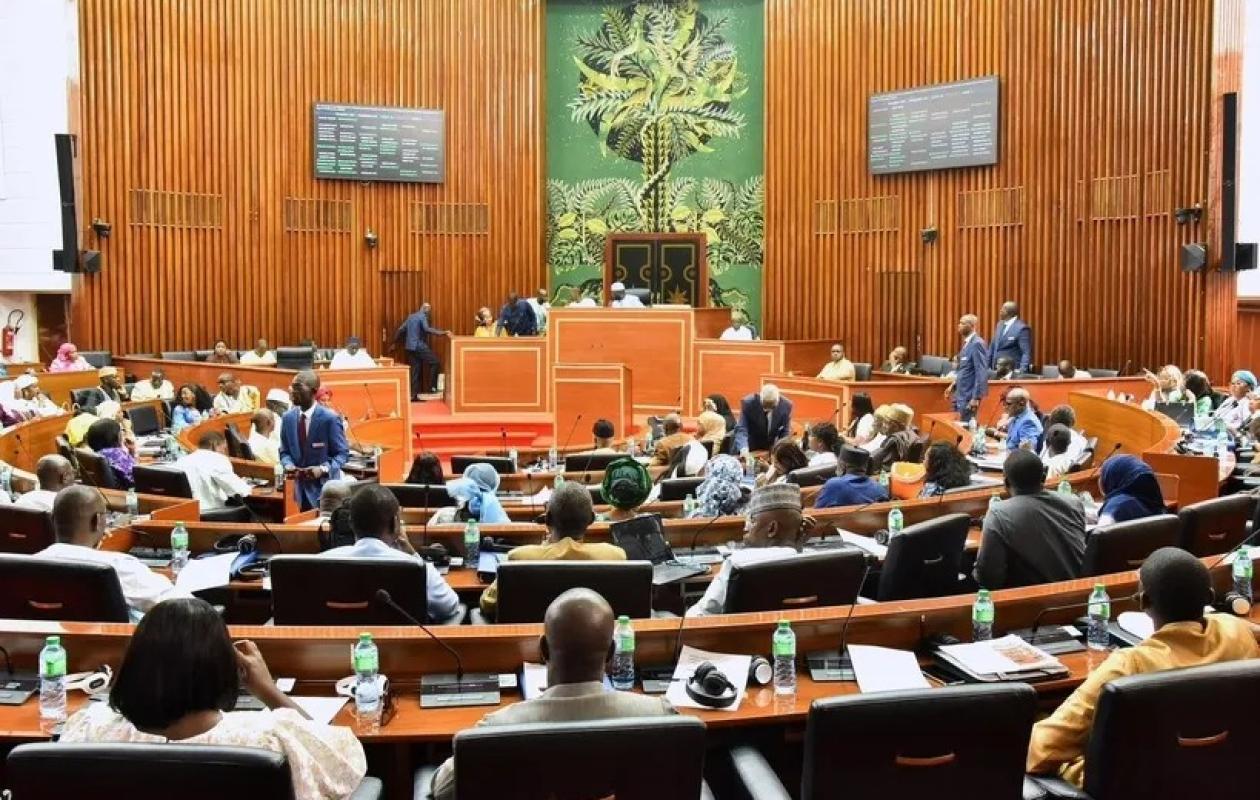
Finances publiques : les vrais enjeux de la seconde loi de finances rectificative 2025
Examined and adopted by a majority vote by the Finance and Budgetary Control Committee on December 29, 2025, the second amending finance law (LFR2) for 2025 is currently being examined in plenary session at the National Assembly. It appears to be much more than a simple end-of-year technical adjustment. In a context of economic slowdown, declining revenues, and institutional restructuring, the text encapsulates several major issues of budgetary governance, the accuracy of public accounts, and the credibility of the State's financial trajectory.
A mixed macroeconomic environment
At the international level, the environment remains uncertain. Despite global growth expected to reach 3.2% in 2025 according to the IMF, trade tensions, tightening monetary policies, and climate risks continue to weigh on economies. In sub-Saharan Africa, growth remains relatively resilient (4.1%), while the WAEMU (West African Economic and Monetary Union) shows more pronounced dynamism, with real GDP estimated at 5.9%, at least according to the explanations provided in the explanatory memorandum.
Indeed, at the national level, Senegal's GDP growth for 2025 has been revised to 7.8%, compared to the initially projected 8.8%. This downward revision is primarily due to an adjustment in the hydrocarbon sector, while non-hydrocarbon growth is estimated at 3.8%. This correction has a direct impact on the budget balance.
Declining revenues and the need for adjustment
The primary challenge of this second amending finance law (LFR2) is the decline in budget revenues, estimated at 137.8 billion FCFA, affecting both domestic and external resources. Faced with this contraction, the Government has adjusted expenditures downwards to maintain the overall budget balance. General budget revenues are now set at 4,531.1 billion FCFA, while expenditures reach 6,227 billion FCFA. Special Treasury accounts remain stable at 215.4 billion FCFA in both revenue and expenditure. While the executive branch emphasizes prudent and responsible management, this situation nevertheless underscores the vulnerability of public finances to exogenous shocks and sometimes overly optimistic growth assumptions.
The sensitive issue of advance decrees
Another major issue raised during the debates was the significant use of advance decrees. The second amending finance law (LFR2) provides for the ratification of five such decrees, totaling 213.4 billion CFA francs, issued to address situations deemed urgent or of national interest. These decrees notably concerned the disaster and contingency fund, the completion of the polyclinic at Dakar's main hospital, equipment programs for the defense forces, and major projects in education and higher education. While the government cites urgency and necessity, several commissioners nevertheless warned against the excessive use of this instrument, which could undermine the principle of budgetary transparency and reveal shortcomings in planning.
Social pressures and institutional reorganization
The second amending finance law (LFR2) also incorporates 56.8 billion FCFA in additional expenditures deemed unavoidable. These include SONAGED salaries and cleaning services, supplementary student grants, university debts, student residences planned for the 2026 Youth Olympic Games, the government's equity stake in the Africa Finance Corporation, and increased funding for the defense and security forces. These decisions highlight the growing pressure of social and security expenditures on an already constrained budget.
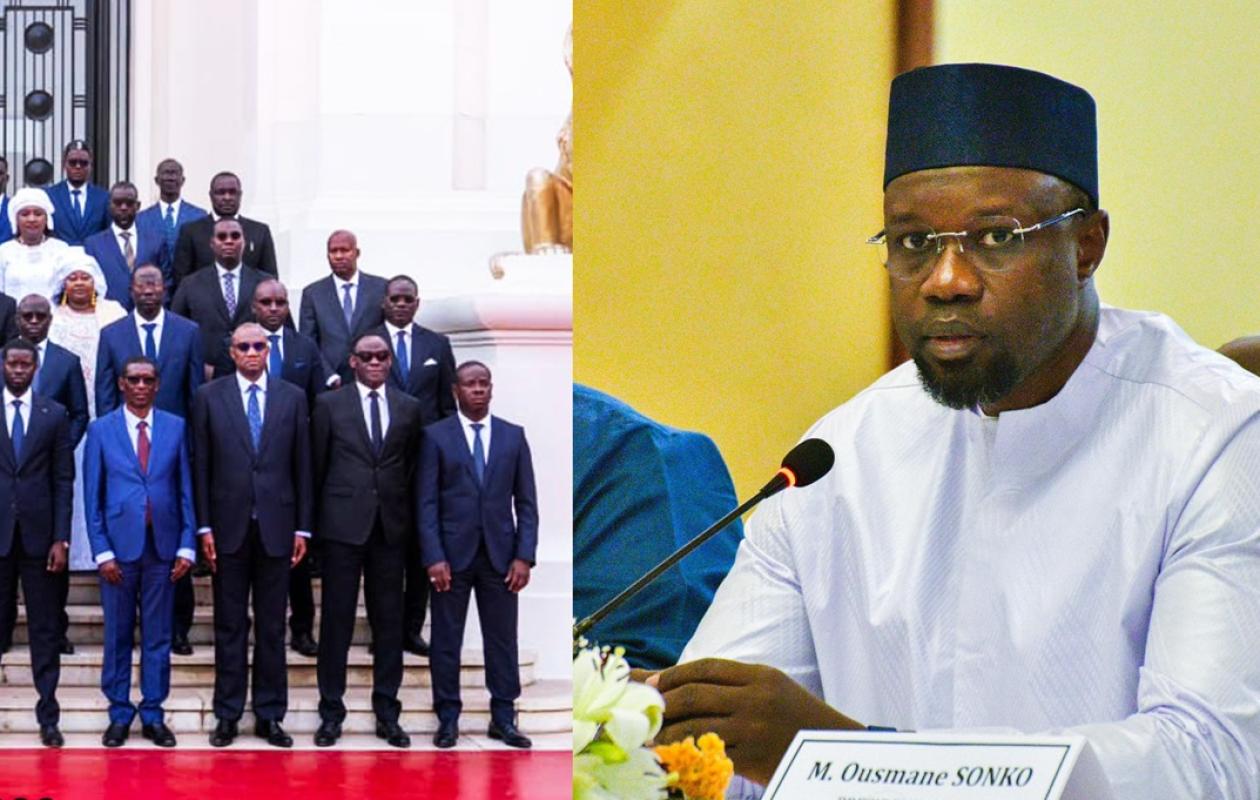
The text also aims to align the budget with the new government architecture, resulting from the reshuffle of September 6, 2025. The merger of certain ministries, the creation of new departments and the reallocation of several structures have made it necessary to transfer credits to guarantee the coherence of public action.
Perspective: The deficit challenge
Despite all these adjustments, the budget deficit remains unchanged at 1,695.9 billion FCFA, or 7.82% of GDP, as in the first revised budget law. The Government nevertheless affirms its commitment to gradually returning to stronger fiscal discipline, with a target of 3% of GDP by 2027, in accordance with the WAEMU convergence criteria.






















Commentaires (0)
Participer à la Discussion
Règles de la communauté :
💡 Astuce : Utilisez des emojis depuis votre téléphone ou le module emoji ci-dessous. Cliquez sur GIF pour ajouter un GIF animé. Collez un lien X/Twitter, TikTok ou Instagram pour l'afficher automatiquement.