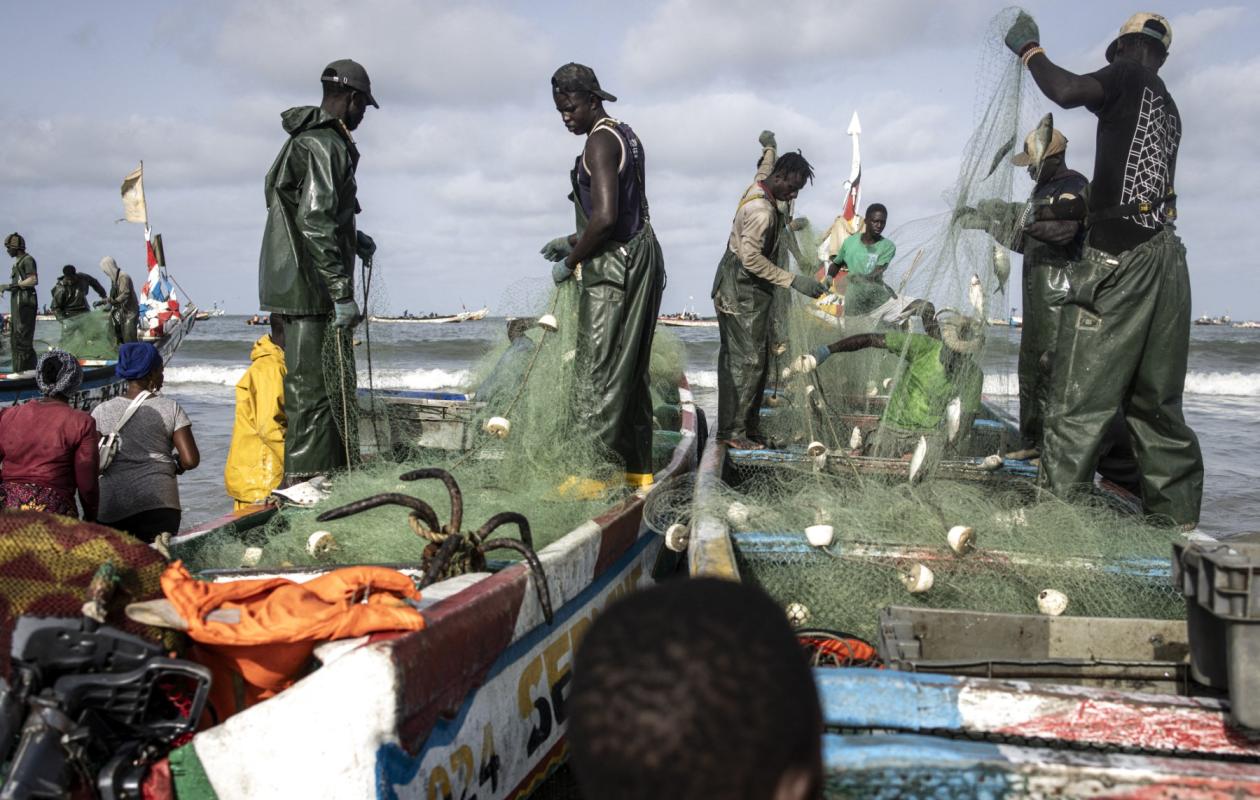
Pêche au Sénégal : Pourquoi le pays laisse filer des milliards en valeur ajoutée
On the docks, crates of fresh fish are lined up before being shipped to Europe or Asia. While the fishing sector is among the country's main sources of foreign currency and constitutes an essential source of employment along the coast, one fact remains: a significant portion of the products are exported raw or simply frozen, without significant industrial processing locally.
The transfer of wealth outwards
Selling whole or minimally processed fish transfers a significant portion of the added value to importing countries. These countries handle the filleting, canning, advanced freezing, packaging, and branded distribution. These stages, which concentrate profit margins, create skilled jobs, and generate tax revenue, largely escape the local economy, which primarily captures only the value associated with the catch and initial handling.
Developing processing capabilities would expand the national value chain. The establishment of local industrial units could stimulate related activities such as packaging production, equipment maintenance, logistics services, and quality control. An integrated supply chain would also promote better traceability and a move upmarket towards higher value-added segments, particularly ready-to-eat products.
Structural and ecological challenges
However, numerous challenges remain. Industrial transformation requires a regular supply, stable energy, strict health standards, and access to appropriate financing. Local businesses must also contend with high energy costs and structured international competition.
Added to this is an alarming ecological reality: the depletion of certain species, the pressure from industrial fleets, and illegal fishing are reducing resource availability. In this context of weakened stocks, the priority cannot be solely industrial. Without sustainable management and effective catch regulation, local processing risks exacerbating overexploitation instead of creating lasting wealth.
The optimized valorization of fishery products must therefore be part of a balanced approach. Increased processing can improve revenue and employment, but this strategy must absolutely go hand in hand with the preservation of resources, the regulation of fleets and investment in maritime surveillance.
Only under this condition will the sector be able to combine economic performance and sustainability.









![[EXCLUSIF] Le lutteur Ama Baldé arrêté par la BR de Keur Massar](https://image.seneweb.com/content/news/2026-22-27//thumb_1260x800_6a174f4ee60cb_SOgkg3Pd2C.png)











Commentaires (2)
Participer à la Discussion
Règles de la communauté :
💡 Astuce : Utilisez des emojis depuis votre téléphone ou le module emoji ci-dessous. Cliquez sur GIF pour ajouter un GIF animé. Collez un lien X/Twitter, TikTok ou Instagram pour l'afficher automatiquement.