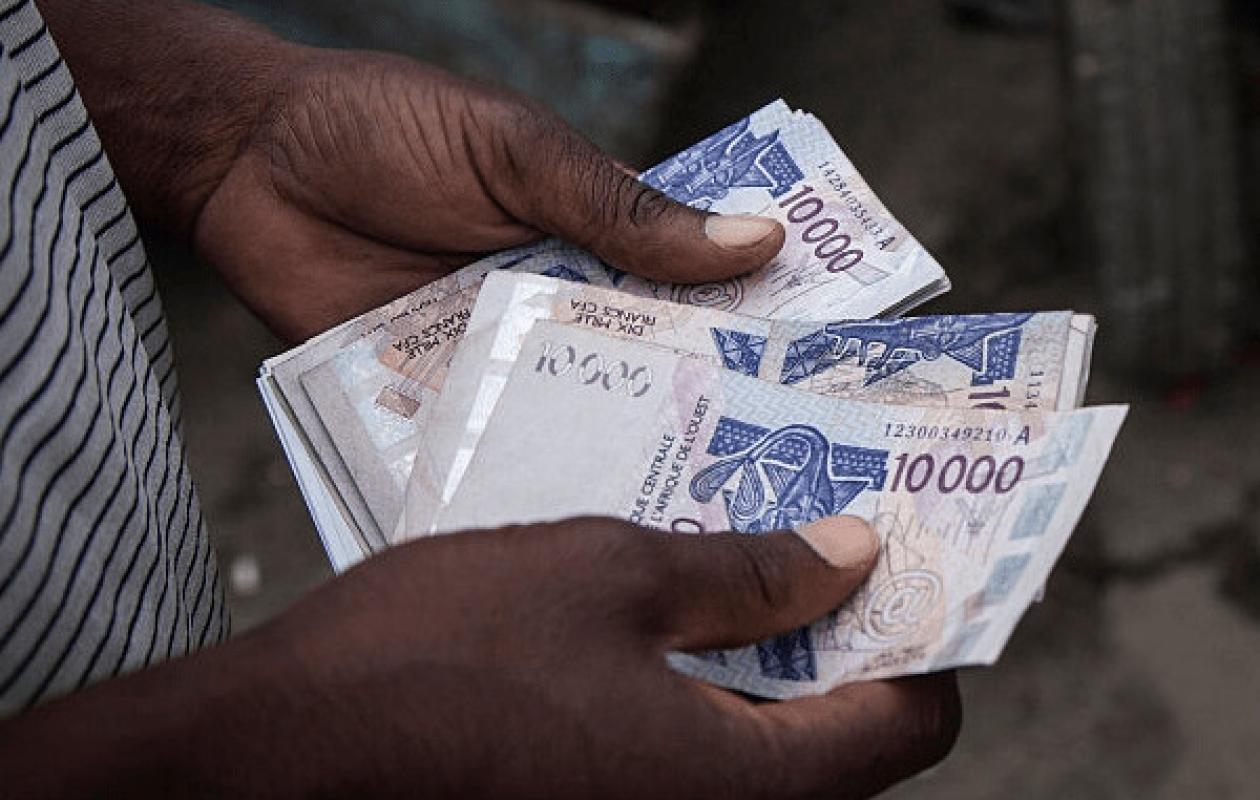
Au Sénégal, la dépense publique peut soutenir la croissance… ou la freiner
In most economies, public procurement represents a major instrument of economic policy. Through the purchase of goods, services and works, the state supports economic activity, finances infrastructure and directs a portion of demand towards local businesses.
In Senegal, as in many developing countries, public procurement constitutes a significant portion of budgetary expenditures and plays a direct role in growth dynamics. However, its effectiveness depends closely on the quality of procedures and control mechanisms.
According to data from the Public Procurement Regulatory Authority (ARMP), the annual value of public contracts amounts to several hundred billion CFA francs. These expenditures cover infrastructure construction, the purchase of supplies, and the provision of services. In a context where public investment remains a key driver of economic activity, the way these contracts are awarded directly influences overall economic performance.
Public procurement can provide significant support for national businesses. The rules governing the awarding of contracts include mechanisms designed to encourage the participation of local companies, particularly in the construction, public works, and service sectors. When properly executed, these contracts create jobs, develop technical skills, and strengthen the economic fabric.
However, the expected positive impact is not always achieved. Reports from the Court of Auditors and the Public Procurement Regulatory Authority have repeatedly highlighted irregularities in the awarding or execution of certain contracts. Delays in procedures, cost overruns, or modifications during construction can increase the cost to public finances and reduce the effectiveness of the investment.
The issue of payment delays is also a significant factor. When the government is slow to pay its suppliers, the companies involved experience cash flow difficulties that can slow their operations. This situation particularly affects small and medium-sized enterprises (SMEs), which are more dependent on public procurement and have less financial flexibility.
The quality of public spending also depends on the capacity to evaluate projects. In some cases, infrastructure projects are launched without sufficiently thorough studies, leading to costly adjustments or incomplete projects. These shortcomings stem not only from technical issues, but also from administrative organization and adherence to procedures.
Public procurement remains a crucial lever for supporting economic development. In economies where private investment remains limited, the state retains a decisive role in infrastructure development and supporting economic activity. The challenge, therefore, lies less in reducing these expenditures than in improving their quality, so that every franc spent has a real impact on growth and employment.
The ability to strengthen procedural rigor, contract traceability, and project monitoring thus determines the economic impact of public procurement. Used effectively, it can provide lasting support to the productive sector. Poorly managed, however, it risks burdening public finances without generating the expected results.





















Commentaires (0)
Participer à la Discussion
Règles de la communauté :
💡 Astuce : Utilisez des emojis depuis votre téléphone ou le module emoji ci-dessous. Cliquez sur GIF pour ajouter un GIF animé. Collez un lien X/Twitter, TikTok ou Instagram pour l'afficher automatiquement.