Compétitivité industrielle : l’impact structurel du prix de l’énergie
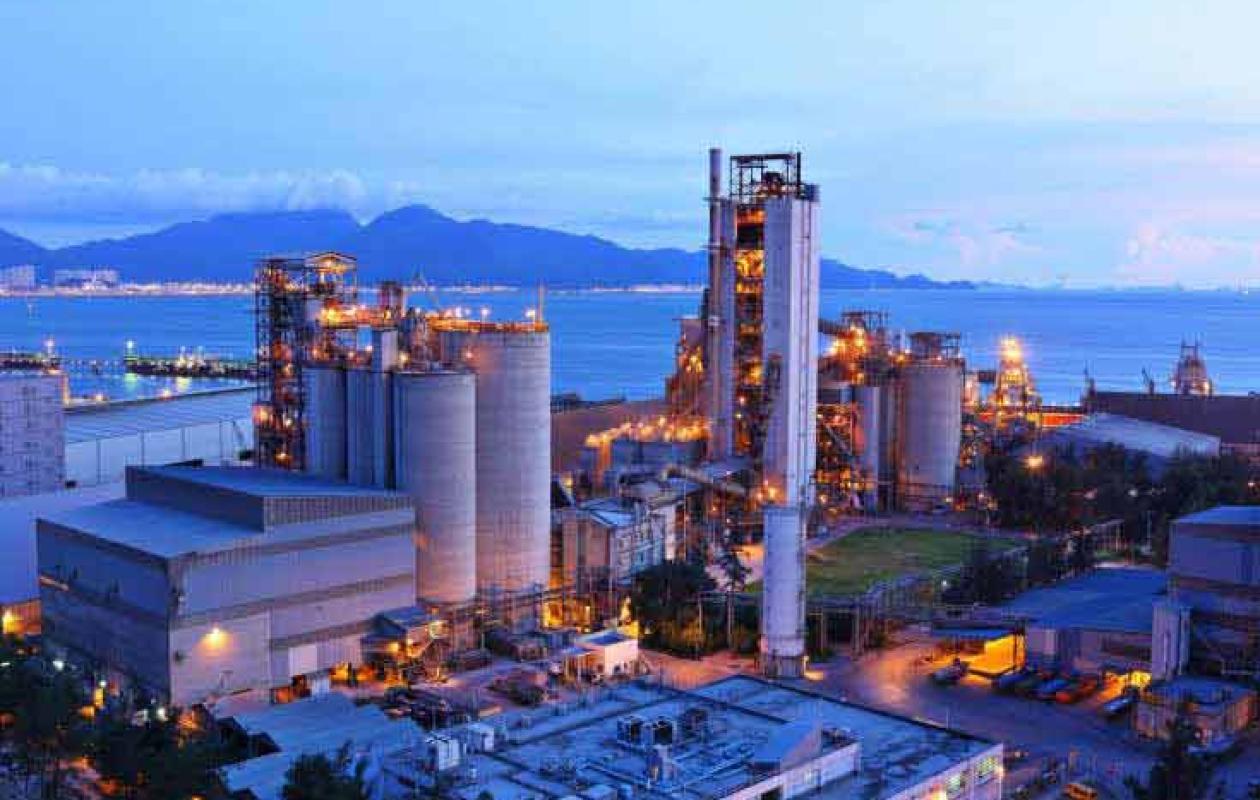
Industrialization rests on a fundamental and often underestimated condition in public debate: access to abundant, reliable, and competitive energy. When the cost of electricity is high or supply remains irregular, the impact goes beyond the simple energy bill. It affects prices, profit margins, investment, and ultimately, a country's ability to transform its economy.
In Senegal, the average price per kilowatt-hour for industrial customers is among the highest in West Africa. According to publicly available data from the Electricity Regulatory Commission and Senelec, industrial tariffs can exceed 90 CFA francs per kilowatt-hour, depending on the consumption bracket and contracted power. By comparison, some competing countries in North Africa and Asia benefit from significantly lower energy costs, partly due to large-scale gas and coal-fired power generation.
For a food processing company, a fish processing plant, or a light metalworking workshop, energy represents a significant portion of operating costs. When the price per kilowatt-hour is high, the unit cost of production automatically increases. The company must either pass this increase on to its prices, at the risk of losing competitiveness against imports, or absorb the cost at the expense of its profitability.
The issue isn't just about price. The quality of the power supply plays an equally crucial role. Although the situation has improved compared to years marked by frequent power outages, some industrial areas continue to report power cuts or voltage fluctuations. To mitigate these risks, many companies are investing in generators. This backup solution entails additional expenses for fuel and maintenance, further increasing costs.
This energy constraint influences investment decisions. An entrepreneur comparing several countries for establishing a production unit carefully examines the price and stability of electricity. High energy costs reduce the relative attractiveness of a region, even if other factors, such as macroeconomic stability or access to the regional market, are favorable.
The macroeconomic effects are tangible. An uncompetitive industry limits export diversification and the creation of skilled jobs. It increases dependence on imports of processed goods, which puts a strain on the trade balance. The cost of electricity then becomes a central parameter of the national industrial strategy.
Changes are underway. The development of gas-fired power plants, particularly with the start of production from offshore gas resources, offers the prospect of a less expensive energy mix in the medium term. The deployment of renewable energies, which already represent a growing share of installed capacity, also contributes to diversifying sources and stabilizing supply.
However, a sustainable reduction in electricity costs requires rigorous financial management of the sector, improved technical efficiency, and consistent investment planning. Without these adjustments, energy will continue to act as a silent constraint on industrial transformation.
The price of a kilowatt-hour is not merely a technical data point. It shapes the competitiveness of businesses, influences investment flows, and determines the trajectory of development. In an economy that aspires to move upmarket, electricity is not simply a public service, but a strategic lever for industrialization.
























Commentaires (3)
Participer à la Discussion
Règles de la communauté :
💡 Astuce : Utilisez des emojis depuis votre téléphone ou le module emoji ci-dessous. Cliquez sur GIF pour ajouter un GIF animé. Collez un lien X/Twitter, TikTok ou Instagram pour l'afficher automatiquement.