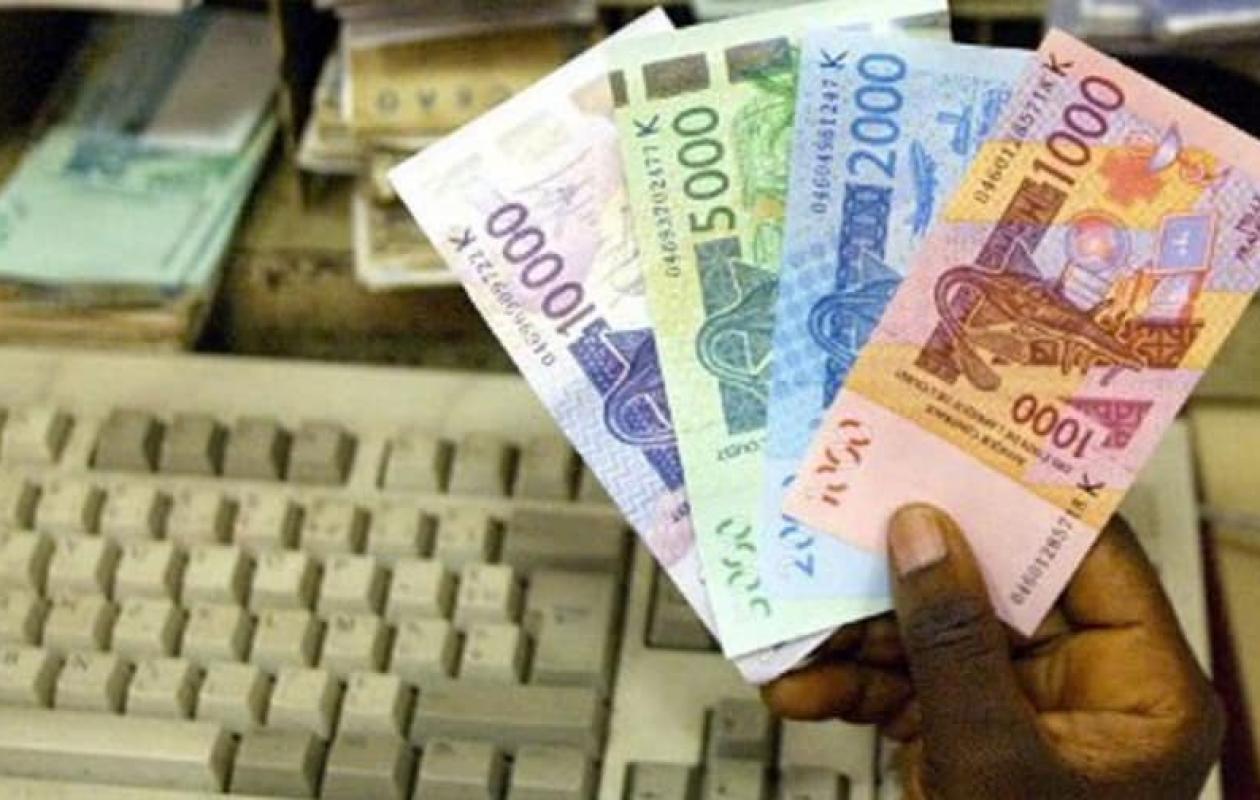
La partie invisible de la dette publique préoccupe de plus en plus les marchés
Public debt is not limited to loans included in budget laws or bonds issued on the markets. A portion of the government's commitments often remains outside the official accounts. Guarantees granted to public enterprises, liabilities of semi-public institutions, payment arrears, public-private partnerships, or debts of state-supported organizations can represent considerable sums without immediately appearing in budget statistics.
These commitments are called off-balance-sheet debt. They are not always immediately payable, but they can become a direct burden on public finances if a state-owned enterprise encounters difficulties or if a project financed by a guarantee fails. It is this possibility that worries the markets, as it makes it more difficult to accurately assess a country's true fiscal situation.
In several African economies, state-owned enterprises play a significant role in energy, transportation, water, and infrastructure. However, some accumulate losses or debts that are eventually taken over by the state. In Senegal, the financial difficulties of certain state-owned enterprises in the energy and transportation sectors have already necessitated substantial budgetary support in recent years. Payment arrears to suppliers or private companies can also create an implicit debt that is not immediately apparent in official figures.
Sovereign guarantees are another point of concern. When a state guarantees a loan taken out by a public company or for an infrastructure project, it indirectly commits to repayment in the event of default. As long as the project is operating, this guarantee remains theoretical. But if the expected revenues do not materialize, the burden can quickly fall on the state budget.
Financial markets, lenders, and rating agencies are increasingly scrutinizing these hidden liabilities. Official debt may appear sustainable on paper, but if off-balance-sheet commitments are significant, risk perceptions quickly shift. Investors often fear that a portion of the actual budget situation is underestimated, which can drive up borrowing costs.
Recent examples in several African countries show that these commitments can quickly become apparent. In Mozambique, hidden loans revealed in 2016 triggered a major crisis of confidence and led to a default. In Ghana, debt restructuring highlighted the significant debt accumulated by some state-owned enterprises, particularly in the energy sector.
This reality explains why the quality of budgetary information is becoming as important as the official level of debt. Markets no longer look solely at deficits and debt-to-GDP ratios. They are also interested in the risks that may emerge in public finances in the future. A debt that is barely visible today can become a very real burden a few years later.
















Commentaires (1)
Participer à la Discussion
Règles de la communauté :
💡 Astuce : Utilisez des emojis depuis votre téléphone ou le module emoji ci-dessous. Cliquez sur GIF pour ajouter un GIF animé. Collez un lien X/Twitter, TikTok ou Instagram pour l'afficher automatiquement.