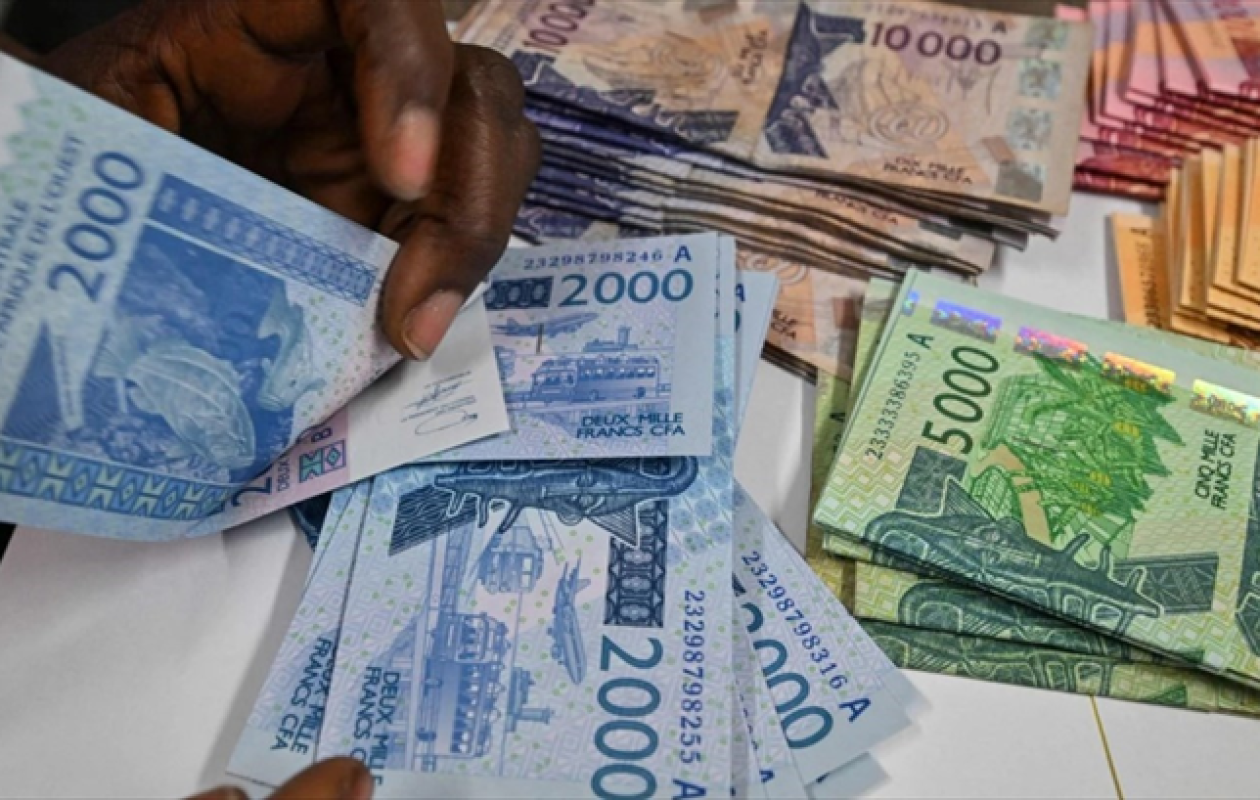
Liquidité abondante, crédit rare : Le paradoxe bancaire dans l’UEMOA
In several WAEMU countries, banks currently have significant liquidity. Refinancing from the BCEAO, customer deposits, and public debt issuance have bolstered their resources in recent years. However, this apparent abundance does not always translate into increased credit for businesses and households.
The paradox is evident in the interbank market figures. In February 2026, the average weekly volume of interbank transactions in the WAEMU reached 861.9 billion CFA francs, compared to 778.8 billion in January, while the average one-week rate fell to 4.19%. This shows that institutions generally have more abundant resources at a lower cost.
But this liquidity is not flowing evenly into the real economy. Banks remain cautious in granting loans, particularly to SMEs, farmers, start-ups, and low-income households. Many of these borrowers lack sufficient collateral, certified accounts, or stable incomes.
Banks' preference for government bonds partly explains this situation. Government bonds often offer high returns with a perceived lower risk than that associated with private sector financing. In an environment marked by economic uncertainty and rising non-performing loans, banks therefore have an incentive to invest a significant portion of their resources in government debt.
Certain sectors are also considered riskier. Agriculture is heavily dependent on weather conditions and price fluctuations. Small businesses are often fragile from an accounting and financial perspective. Informal trade remains difficult for banks to assess. As a result, even when liquidity is available, it does not automatically translate into credit.
This situation creates an economic paradox. Resources exist within the banking system, but they remain concentrated in investments considered safe, while the sectors that create the most jobs struggle to obtain financing. A bank can therefore appear highly liquid while granting few productive loans.
Reducing this gap requires strengthening guarantee mechanisms, improving credit registries, securing land titles, and developing instruments capable of sharing risk with banks. As long as these obstacles remain, the abundance of liquidity will remain largely disconnected from the economy's actual financing needs.






















Commentaires (0)
Participer à la Discussion
Règles de la communauté :
💡 Astuce : Utilisez des emojis depuis votre téléphone ou le module emoji ci-dessous. Cliquez sur GIF pour ajouter un GIF animé. Collez un lien X/Twitter, TikTok ou Instagram pour l'afficher automatiquement.