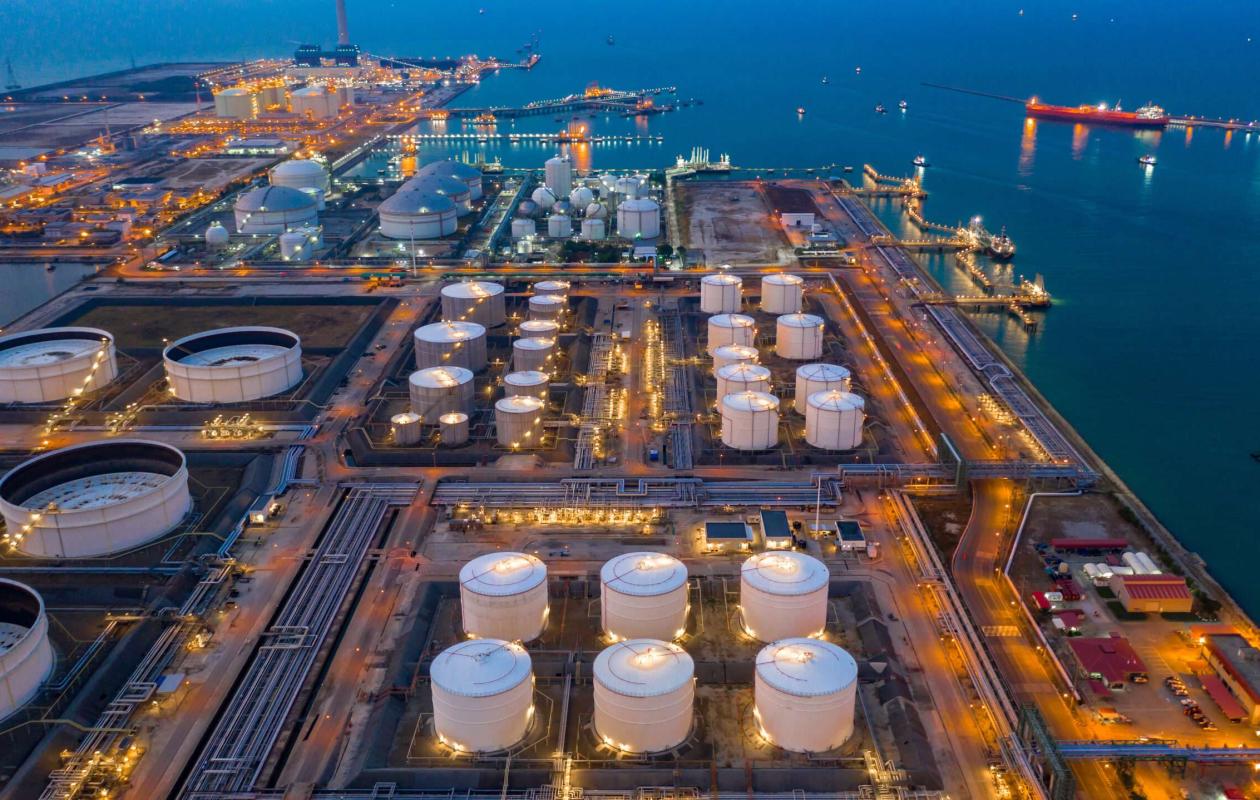
Menace sur les pompes : Pourquoi le Sénégal ne dispose que de 35 jours de survie énergétique
Invited to the program "Le Jury du Dimanche" (JDD) on Iradio, energy expert Modibo Diop analyzed the consequences of the conflict in the Persian Gulf on global oil supplies. While the international situation is worrying, the engineer, a graduate of the École Polytechnique, assures that Senegal currently benefits from an effective protection mechanism.
A 35-day strategic reserve
“In Senegal, there is a 35-day reserve strategy imposed on the entire system: refiners, distributors, and importers must maintain stocks covering this period,” explains Modibo Diop. This requirement, strictly stipulated by petroleum regulations, aims to guarantee the continuity of national supply in the event of a major shock to the international market.
According to the expert, the current situation does not warrant immediate concern. "The war has only been going on for about twelve days. If legal reserves are maintained, there are still several weeks' worth of reserves," he explains. However, he tempers this optimism should the conflict drag on: "No African country is completely safe if this situation continues." He cites the example of Egypt, which, with a consumption of 900,000 barrels per day, has already had to raise its prices at the pump.
Energy sobriety: a call for change
Faced with the threat of rising costs, Modibo Diop urges Senegalese people to rethink their consumption habits. He specifically encourages them to combat electricity waste through simple actions. "A lamp left unnecessarily on in a room for two months can represent the equivalent of several baguettes," he explains clearly.
The expert also encourages the development of solar energy and a more rational use of vehicles. According to him, the solution lies in mass transit. Projects like the Regional Express Train (TER) and the Bus Rapid Transit (BRT) are, in his view, essential to reducing fuel dependence. "We sometimes see large vehicles with only one person on board. In a context where energy is becoming more expensive, this model is not sustainable," he observes.
Finally, Modibo Diop points out that the price of crude oil remains hostage to global financial speculation. Prices are dictated by major stock exchanges such as the NYMEX in New York, Brent in London, and the Singapore Exchange. According to him, the actual production costs are often far lower than the selling prices, thus allowing major oil companies to reap enormous profits at the expense of consuming countries.

















Commentaires (3)
Participer à la Discussion
Règles de la communauté :
💡 Astuce : Utilisez des emojis depuis votre téléphone ou le module emoji ci-dessous. Cliquez sur GIF pour ajouter un GIF animé. Collez un lien X/Twitter, TikTok ou Instagram pour l'afficher automatiquement.