Plan Sonko : poids de la fiscalité, une stratégie risquée
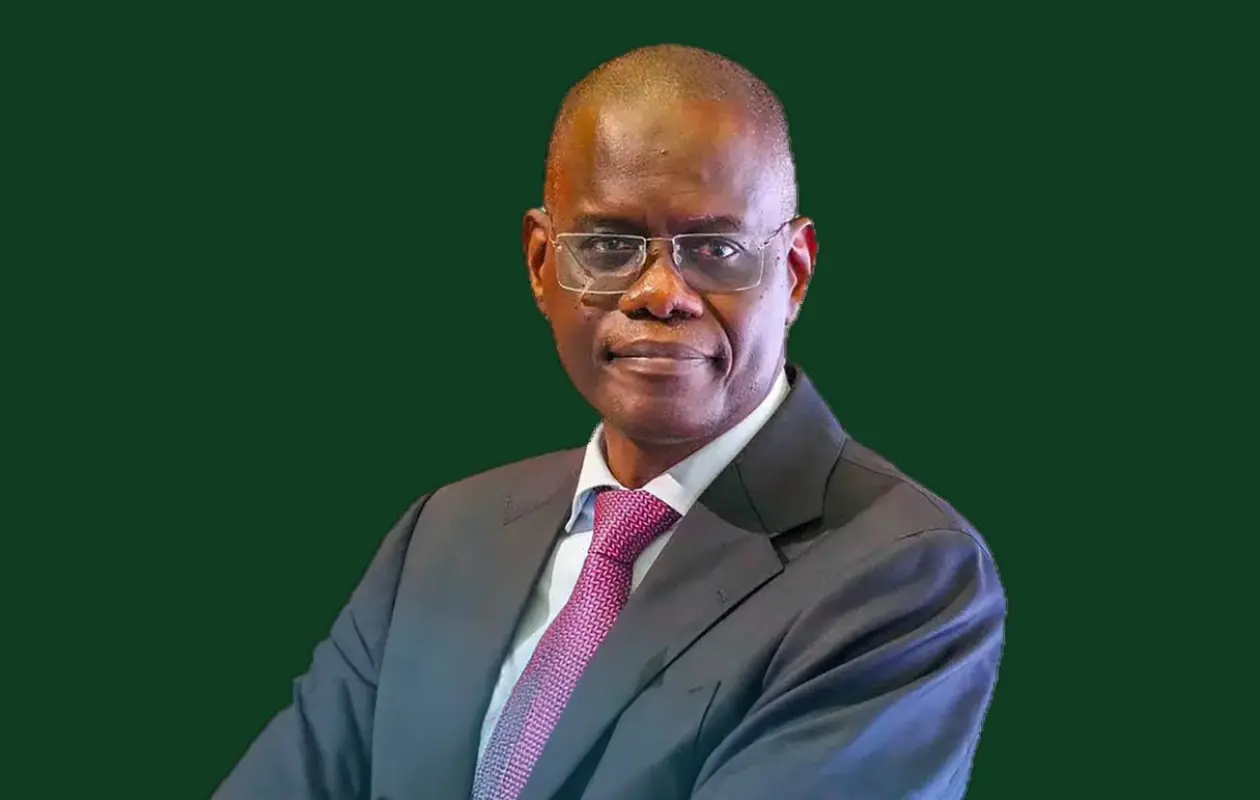
In an interview with L'Observateur, Dr. Seydou Bocoum, economist and vice-president of the Laboratory for Economic and Monetary Research (LAREM), provides an in-depth analysis of the government's Economic and Social Recovery Plan.
The specialist describes the plan as "technically well structured," but notes that it is part of a neoliberal logic, centered on reducing the budget deficit, controlled austerity and the mobilization of internal resources.
While he acknowledges his ambition, he warns of the risks linked to overly optimistic assumptions, particularly concerning tax mobilization, in a context of high economic informality, low productivity and growing social distrust.
The success of the plan, according to him, will require firm political will, strengthened execution capacity, and above all, popular support, which is still uncertain.
Financing and taxation
The plan aims to raise 5,667 billion CFA francs between 2025 and 2028, 90% of which will come from internal resources. The source for the daily newspaper of the Future Media Group believes that this objective is theoretically feasible, but difficult to achieve without far-reaching economic reforms.
He warns against excessive increases in tax pressure, which could worsen poverty and generate strong social resistance, particularly if it results in new taxes on mobile transactions, which would affect the most vulnerable populations.
Dr. Bocoum also emphasizes that without improvements to public services and fairer taxation, this type of measure risks reinforcing distrust of the State.
Recommended measures
To effectively support the recovery, the economist recommends several priority actions: the payment of domestic debt, to relieve local businesses and boost private investment; the resumption of strategic public investment, particularly in key sectors (agriculture, energy, logistics and light industry); the creation of a public investment bank, modeled on the BPI in France or the KfW in Germany, to finance long-term structuring projects, adapted to the country's needs.














Commentaires (14)
Au contraire ils sont subjugués par l'audace et la vision très optimiste de croyance fort en notre capacité économique. Les remarques, qui ne sont pas en fait des critiques, sont toutes d'ordre générique. Anticiper sur les réformes, s'assurer de l'adhésion etc... Si la croissance est continue il n'y a pas de raisons de ne pouvoir mobiliser les ressources. Car en fait ce qui freine l'économie ce ne sont pas les taxes, c'est plutôt la confiance des acteurs à un retour sur investissement rentable. Il y a le marché et il y a la croissance donc la consommation augmente. L'inflation est tenue.
Maintenant payer la dette intérieure est un faux débat. Il faut de vraies réformes, la ce sont des actions qui changent fondamentalement la dépendance du secteur privé à la commande publique. Les investissements doivent être portées par le privé. C'est là où se trouve le vrai débat de fond.
La bpi c'est bien mais c'est toujours une banque publique, et les banques privées qui doivent financer l'économie?
Cet article, qui donne la vision d'un économiste qui est sommé de titres, ne reflète en fait qu'une vision de l'économie qui serait plutôt celle dans laquelle la finance souhaite nous y engager. Non, il y a d'autres économies et d'autres alternatives qui permettent à chacun-e de pouvoir vire dignement, et elle passe par la maîtrise des flux économiques et une meilleure répartition des richesses
Participer à la Discussion
Règles de la communauté :
💡 Astuce : Utilisez des emojis depuis votre téléphone ou le module emoji ci-dessous. Cliquez sur GIF pour ajouter un GIF animé. Collez un lien X/Twitter, TikTok ou Instagram pour l'afficher automatiquement.