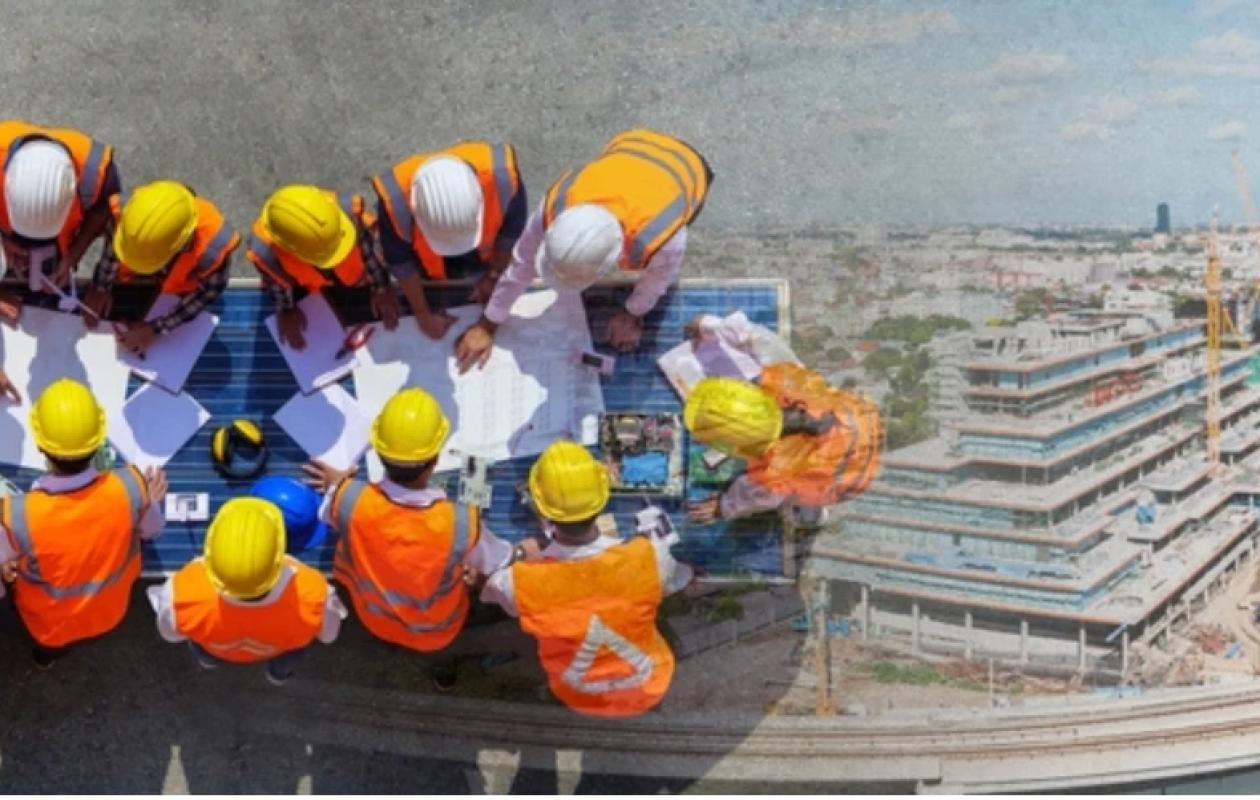
PPP et infrastructures, promesse d’accélération ou dette différée
Public-private partnerships have become established in many African countries as a pragmatic response to infrastructure deficits. Roads, hospitals, power plants, and port facilities require investment amounts that national budgets, often constrained, struggle to absorb on their own. By entrusting the design, financing, and sometimes operation of a project to a private operator, the state hopes to accelerate project completion without immediately including the full cost in its public debt.
The appeal of this model lies in its ability to mobilize substantial international savings and to spread certain technical or operational risks. In sectors such as energy and transportation, several countries have been able to commission strategic infrastructure thanks to these contractual arrangements. International financial institutions, notably the World Bank and the African Development Bank, have supported this momentum by promoting dedicated legal frameworks and specialized units within government administrations.
However, the financial equilibrium of a public-private partnership is not limited to the initial signing. Contracts often extend over twenty to thirty years and include complex clauses relating to revenue guarantees, tariff adjustments, and compensation in the event of declining visitor numbers. When actual demand falls short of projections or the currency depreciates, these implicit commitments can translate into significant budgetary burdens. These obligations, sometimes referred to as contingent liabilities, are not always clearly outlined in public finance documents at the time the contract is signed.
Several international experiences have shown that poorly designed financing arrangements can ultimately be more burdensome than traditional loans. Traffic guarantees on lightly used highways or power purchase agreements with high fixed prices have generated costly compensation for governments. The illusion of a "debt-free" infrastructure then vanishes, giving way to a deferred budgetary constraint.
The real challenge, therefore, lies not in the tool itself, but in the quality of its design. A rigorous preliminary assessment, a balanced distribution of risks, and detailed publication of future commitments are essential conditions. Without this vigilance, the public-private partnership can become an invisible debt. With it, it can represent a relevant instrument for addressing infrastructure gaps without compromising financial sustainability.
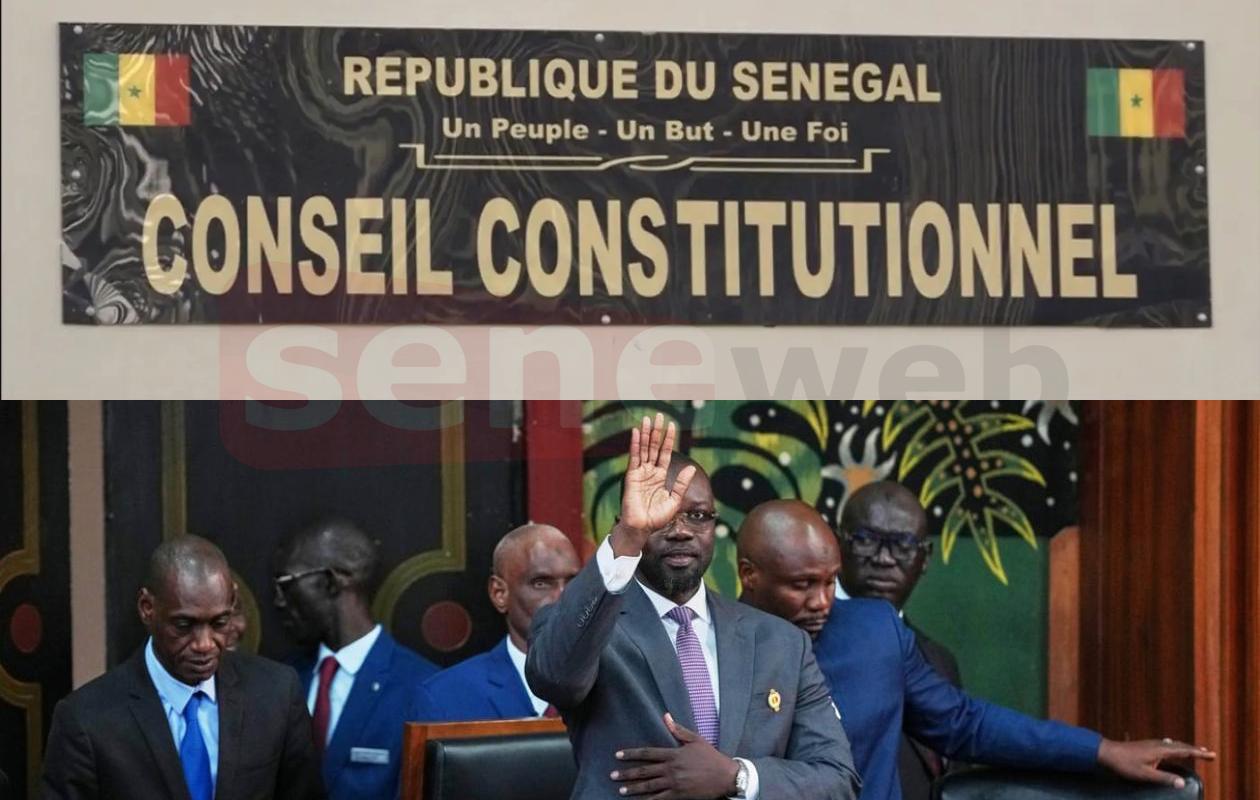
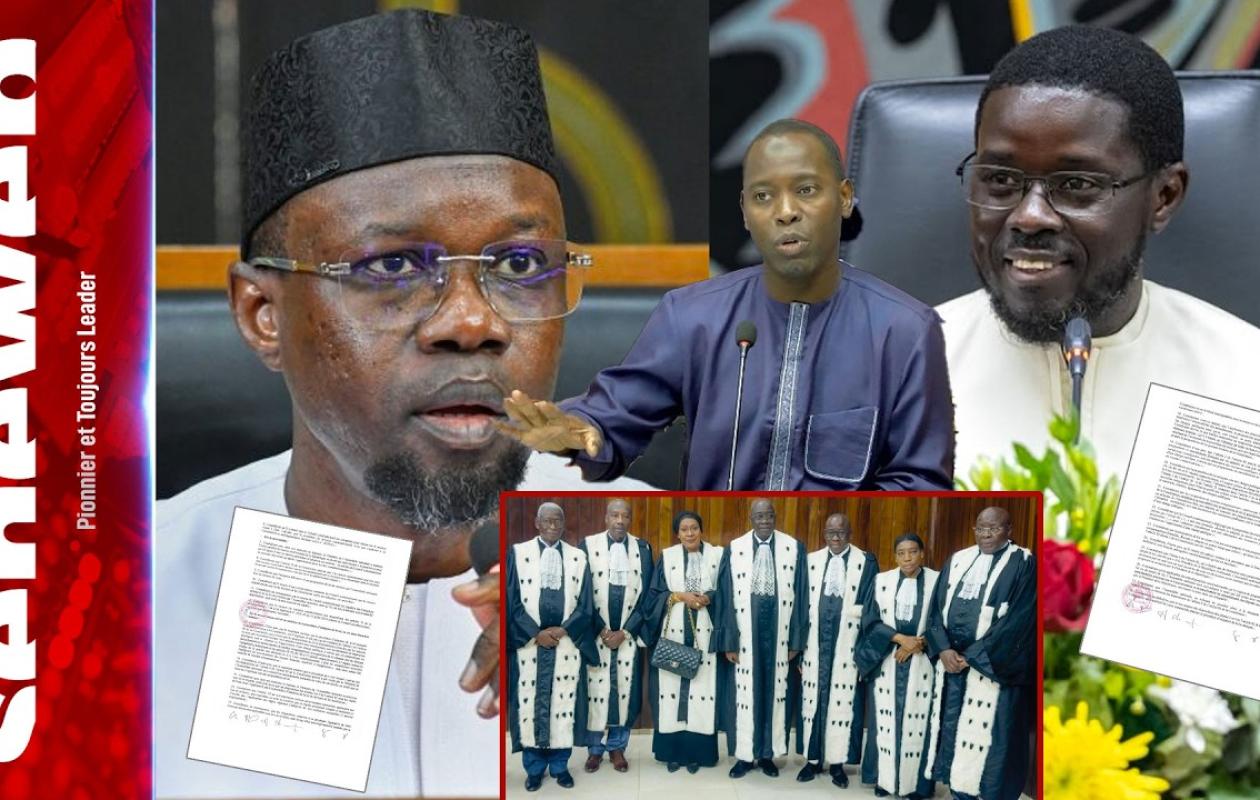
![[Exclusif] Révision de la Constitution : Le Conseil constitutionnel invalide le vote des députés](https://image.seneweb.com/content/news/2026-28-09//thumb_1260x800_6a4fdec36aa84_Tpa745ZYpD.jpg)
















Commentaires (1)
Participer à la Discussion
Règles de la communauté
💡 Astuce : Utilisez des emojis depuis votre téléphone ou le module emoji ci-dessous. Cliquez sur GIF pour ajouter un GIF animé. Collez un lien X/Twitter, TikTok ou Instagram pour l'afficher automatiquement.
Se connecter
Commentez avec votre profil, votre photo, et soyez averti des réponses.